
Glenwood Springs
"Glenwood Canyon makes the car feel like a toy and the river feel like the reason for everything."
I came to Glenwood Springs on the California Zephyr, which was the correct way to come. The train follows the Colorado River west from Denver through the mountains, and in the last hour before the station it enters Glenwood Canyon — twelve miles of vertical limestone walls rising fifteen hundred feet above the river, with the road and the rail line and the river itself all threaded through a gorge so narrow that you can almost touch the walls from the train window. For those twelve miles the passengers who had been reading and sleeping were all at the windows. Nobody spoke. The canyon does that — it suspends the usual social contract of train travel and makes everyone, regardless of their sophistication, look.
The train deposits you at a station beside the river at the mouth of the canyon, and the first thing you see when you step off is steam rising from the hot springs pool two blocks up the hill. The Glenwood Hot Springs Pool opened in 1888 and at 130 meters long is still the largest outdoor thermal pool in the world — a fact that sounds implausible until you stand beside it and watch the steam drift off the green mineral water in the morning cold and the swimmers moving in that loose, boneless way of people who have achieved total physical relaxation. The pool is fed by the Yampah spring at 124 degrees Fahrenheit; the main pool is cooled to about 90 degrees. It smells, mildly, of sulfur and minerals, and the smell is itself a kind of signal to the body to let go of whatever it was holding.

The Glenwood Canyon Recreational Trail runs through the canyon for sixteen miles, following the river on a path that was cut into the cliff face when the interstate was rebuilt in the 1990s. I cycled it one afternoon from the Hanging Lake trailhead back to town — through the canyon walls, past the Shoshone Hydroelectric Plant that was built in 1909 and still operates, past the point where the canyon opens and the Colorado River begins its westward run toward Utah. The canyon in October holds the last of the year’s light for a few hours each day when the sun is high enough to clear the walls, and in that window the river runs amber and the limestone turns gold.
Hanging Lake, the famous trail above the canyon, is everything they say — a turquoise lake suspended on a limestone shelf, fed by waterfalls that run from a travertine formation above, the whole thing impossibly blue and impossibly located. The hike to reach it climbs a thousand feet in a mile and a half and has been so popular that it now requires reservations booked months in advance. I went on a weekday in early October when the morning slot was available on short notice and was on the trail before eight, before the first shuttle buses had delivered the day’s crowds. The lake was cold and perfectly still and the waterfalls above it made a sound like glass being poured.
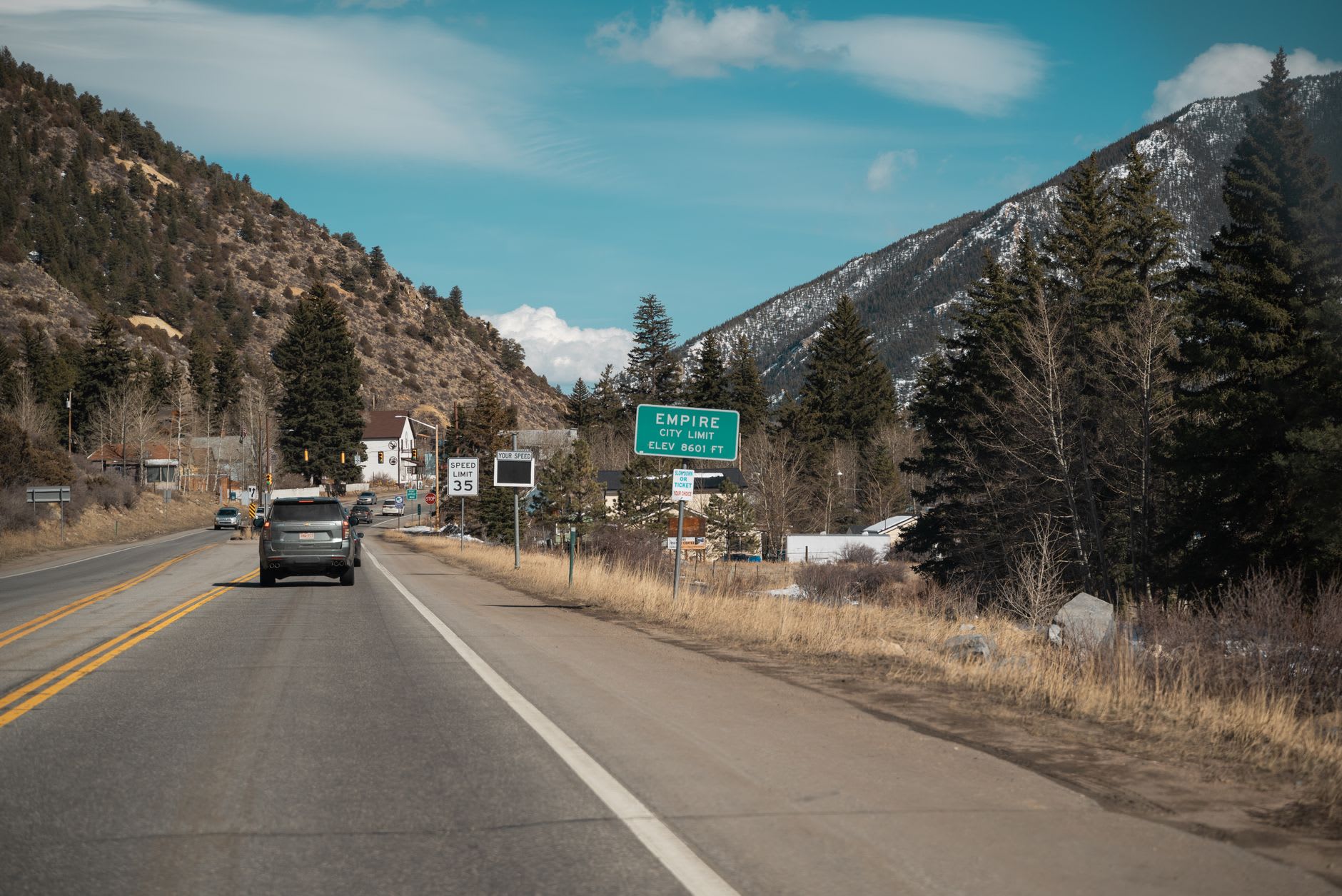
The town itself, the old main street along Grand Avenue, has the pleasant unpretentiousness of a resort town that has been steadily visited for 140 years without becoming fashionable. The restaurants are honest and regional. There are two good bookshops. The Hotel Colorado, opened in 1893, has a lobby with a fireplace big enough to stand in and a bar where the whiskey selection is taken with the gravity that place and altitude demand.
When to go: Year-round, uniquely among Colorado destinations. The hot springs are best in winter when the canyon walls hold snow and the contrast between the cold air and the warm pool is most complete. Summer for cycling the canyon trail. October for the combination of cooler temperatures, fall color in the canyon, and shoulder-season availability of Hanging Lake permits.