Crested Butte
"Every other Colorado ski town has been renovated into a luxury product. Crested Butte still feels like someone's home."
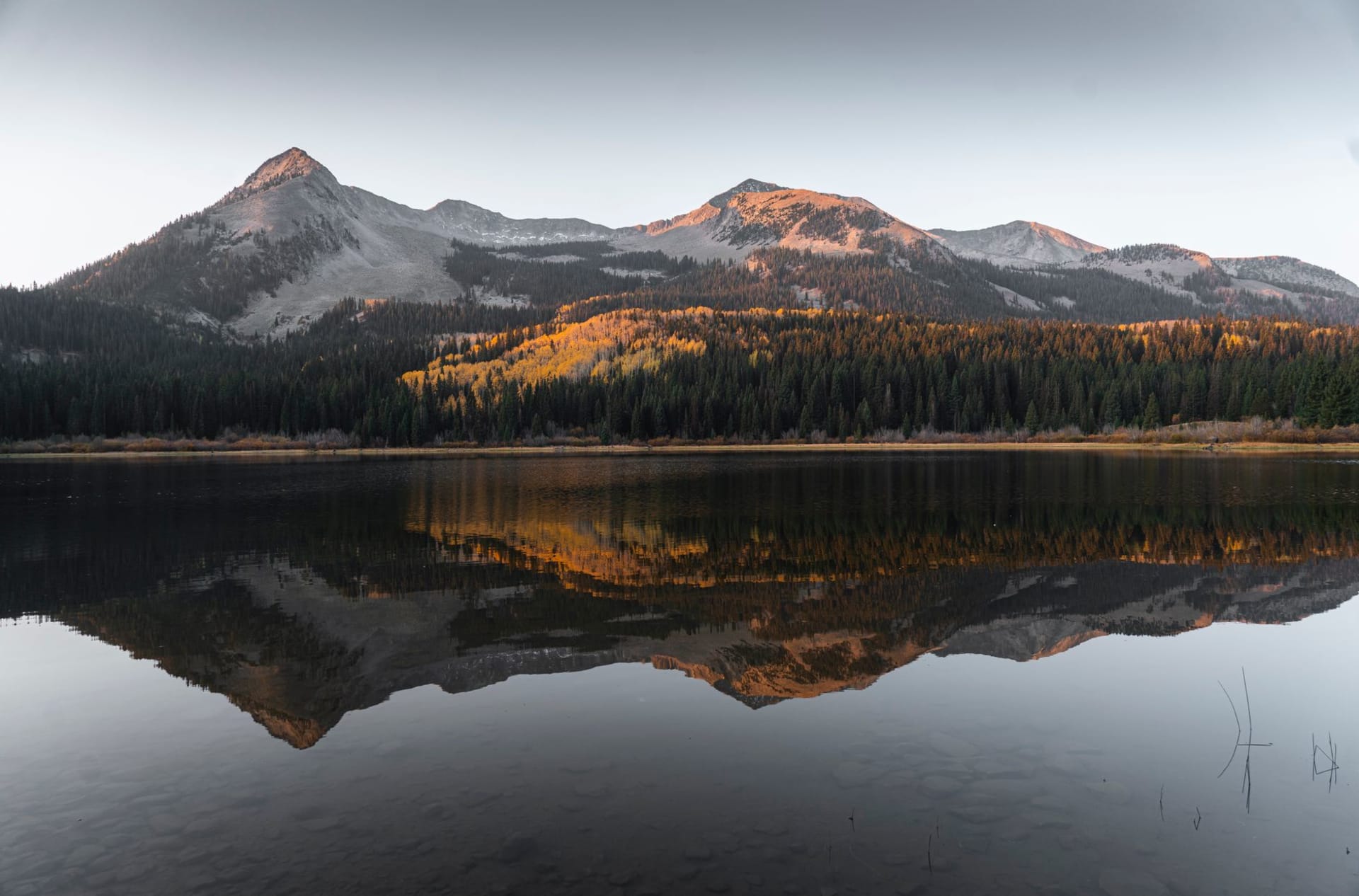
The road to Crested Butte from Gunnison runs along the East River through a valley so wide and pale-grassed that it feels like driving across a held breath. The mountains close in gradually, and then the butte appears — that distinctive 12,162-foot block of mountain that gives the town its name, a freestanding formation of sedimentary rock that looks less like a peak and more like something that was set down deliberately in the valley for emphasis. I had driven up in mid-July and the meadows on both sides of the road were in full flower: lupine and columbine and paintbrush and yarrow, purple and blue and red and white, so thick that the color seemed to vibrate. Colorado’s wildflower reputation exists for the entire state, but Crested Butte claims the title of wildflower capital with a defensible seriousness. July here is botanical extravagance on a scale that embarrasses the botanical gardens of cities twenty times its size.
The town occupies a few blocks of Elk Avenue and its cross streets, all Victorian-era wooden buildings painted in colors that suggest a local ordinance about joy. The facades run to deep red, cobalt, mustard, sage — not the tasteful heritage palette of restored mining towns but something more vernacular and defiant. A hardware store next to a gallery next to a taqueria next to a bar where the bartender knows the names of everyone who comes through the door. Crested Butte has about 1,500 permanent residents and the feel of a town that made a collective decision at some point to be itself rather than its best impression of somewhere else.

The skiing in winter is technical and unforgiving in a way that the resort brochures understate. The North Face and the Extreme Limits terrain at the top of the mountain offers some of the steepest in-bounds skiing anywhere in North America — chutes and couloirs that require a specific conversation with yourself before you point downhill. The ski school here is excellent and the instruction carries the pragmatism of people who ski because they love it and because they happen to live next to a mountain, not because they’re building a personal brand. I had a lesson one February from a man who had been teaching here for twenty-two years and spent the first ten minutes simply watching me ski before saying anything. That kind of attention feels rare now.
The Gothic Valley, six miles north of town up the road past the ski resort, holds the Rocky Mountain Biological Laboratory — a field station where researchers from universities across the country spend summers studying ecology, climate change, and the long-term behavior of the high-altitude ecosystems. The valley is laced with hiking trails, and in July the meadows around the abandoned mining town of Gothic itself are among the best wildflower displays on earth. I walked up one morning before breakfast and came back three hours later having entirely failed to reach my planned destination because I kept stopping to look at things.

Dinner in town that evening at a restaurant on Elk Avenue — bison short rib braised for eight hours, served with roasted root vegetables from the Gunnison Valley. The wine list was short and considered and the portions were the size that makes you feel cared for rather than sold to. The woman at the next table was a biologist from the Gothic lab who was in her seventh consecutive summer here and said she had never once, in seven years, felt like she’d seen enough.
When to go: July for the wildflower peak — the second and third weeks of July are usually the height of the display. February and March for skiing, with March offering the longest days and often the best late-season snow. The Wildflower Festival in the second week of July runs walks and workshops for those who want to learn the names of what they’re seeing.