Aspen
"The mountains around Aspen don't care about the real estate prices. That indifference is what saves the place."
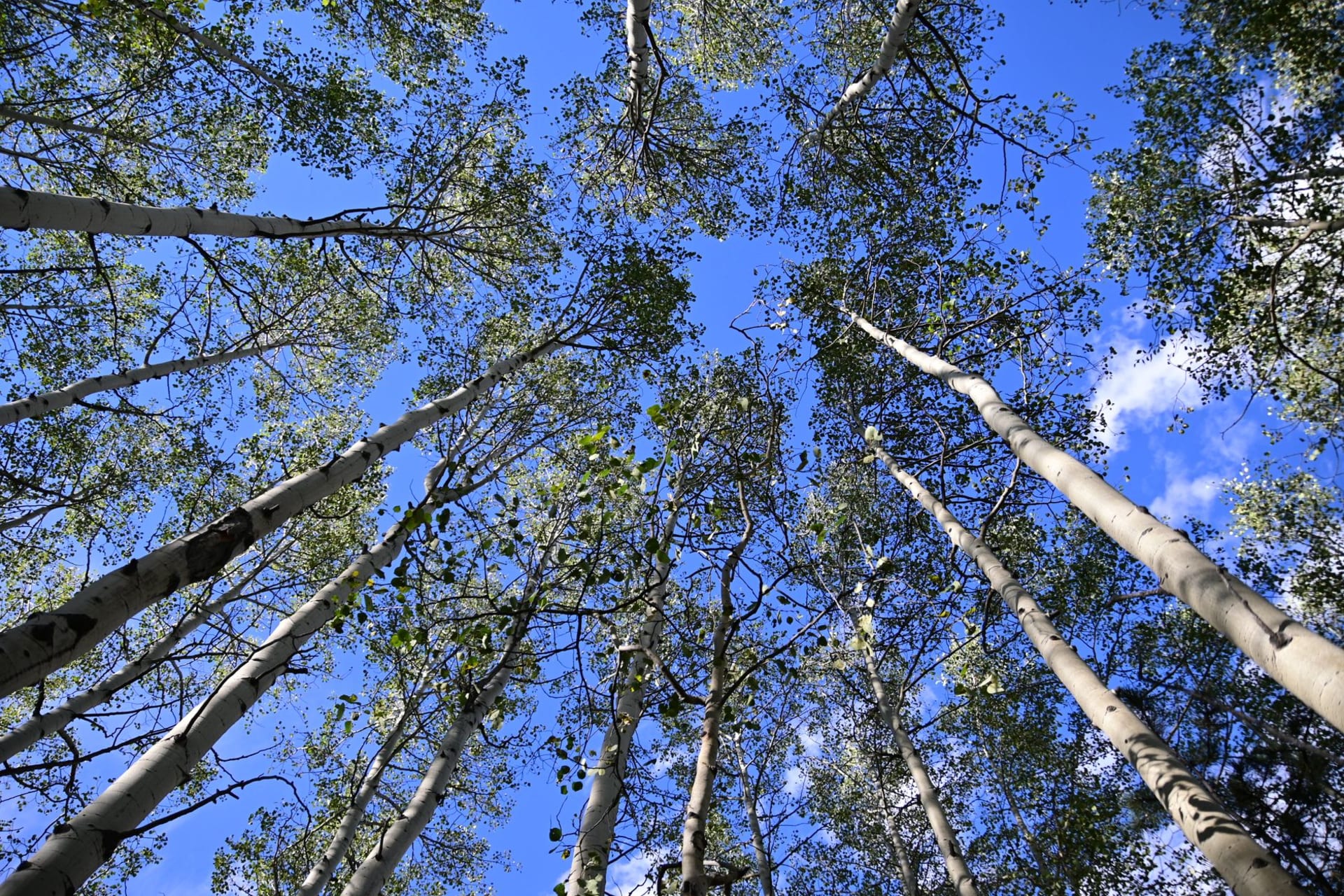
I arrived in Aspen in early October when the aspens had already peaked and the last gold was shaking loose from the trees in the Roaring Fork Valley, spiralling down through cold air that smelled of pine resin and approaching snow. The ski lifts were still weeks from opening. The summer festival crowd had gone. The town sat in its mountain bowl with a kind of held-breath quietness that felt like the truest version of itself — before the season, before the performance of wealth that the resort months bring, just a small Victorian mining town at eight thousand feet doing the thing all mountain towns do in the shoulder season: existing honestly.
The architecture of downtown Aspen is genuinely beautiful in a way that defies the town’s reputation for artifice. The brick storefronts along Hyman and Hopkins Avenues date to the silver mining boom of the 1880s, and even with the Gucci stores occupying the ground floors, the bones of a rough-edged working town remain visible. I drank coffee at a counter stool and watched two men in muddy work boots discuss elk hunting with the intensity of people planning a military campaign. The money doesn’t fully erase what was here before.

What Aspen does that no other Colorado mountain town does in quite the same way is offer access to the Maroon Bells. The pair of 14,000-foot peaks reflected in Maroon Lake sits four miles up a dead-end road and is, without any irony, one of the most photographed mountain landscapes in North America — and it earns every shutter click. I took the early shuttle when the light was still horizontal and cold, and had maybe twenty minutes with the lake before the first tour groups arrived. Those twenty minutes were worth the whole detour. The peaks hold a deep burgundy coloration from manganese carbonate in the rock, and at six in the morning with frost on the shore grass and the reflection perfectly still, the effect is operatic in a way that the word ‘beautiful’ doesn’t begin to reach.
The skiing, when the season arrives, is some of the best in North America. Four mountains — Aspen Mountain, Aspen Highlands, Buttermilk, and Snowmass — cover terrain that ranges from the punishing steeps of Highland Bowl to the leisurely blue runs of Buttermilk that the locals call “Buttermilk” with a particular fondness. I came back in February and spent two days on Highlands, where the Bowl requires a forty-minute hike above the lift line and rewards it with a view over the Elk Mountains that feels like standing at the top of something genuinely important.

The food in Aspen is, predictably, excellent and expensive. But there are edges around the luxury. Ajax Tavern at the base of the gondola does a burger and fries after a ski morning that tastes exactly as good as it should. The farmers’ market on Saturday mornings in the summer brings growers from down the Roaring Fork Valley with tomatoes and corn and green chiles from the Western Slope that remind you Colorado grows things in addition to skiing on them.
When to go: October for the aspens and the shoulder-season quiet, before the resort prices kick in. February and March for skiing — March especially offers the best snow and the strongest light. Summer from June to August for hiking and the Aspen Music Festival, which fills the town with something more durable than fashion.