Cartagena de Indias
"Inside the walls, Cartagena exists in its own Caribbean timezone — slower, warmer, more alive."
A walled Caribbean city of bougainvillea-draped balconies, candlelit plazas, and centuries of swaggering history.
We arrived in the late afternoon, when the light in Cartagena turns the color of amber and every coral, ochre, and indigo wall seems to be lit from within. The taxi dropped us at the Puerta del Reloj — the old clock tower gate, the main ceremonial entrance to the walled city — and the noise of the modern city fell away almost immediately. Inside, the streets narrow and the century shifts.
Inside the Walls
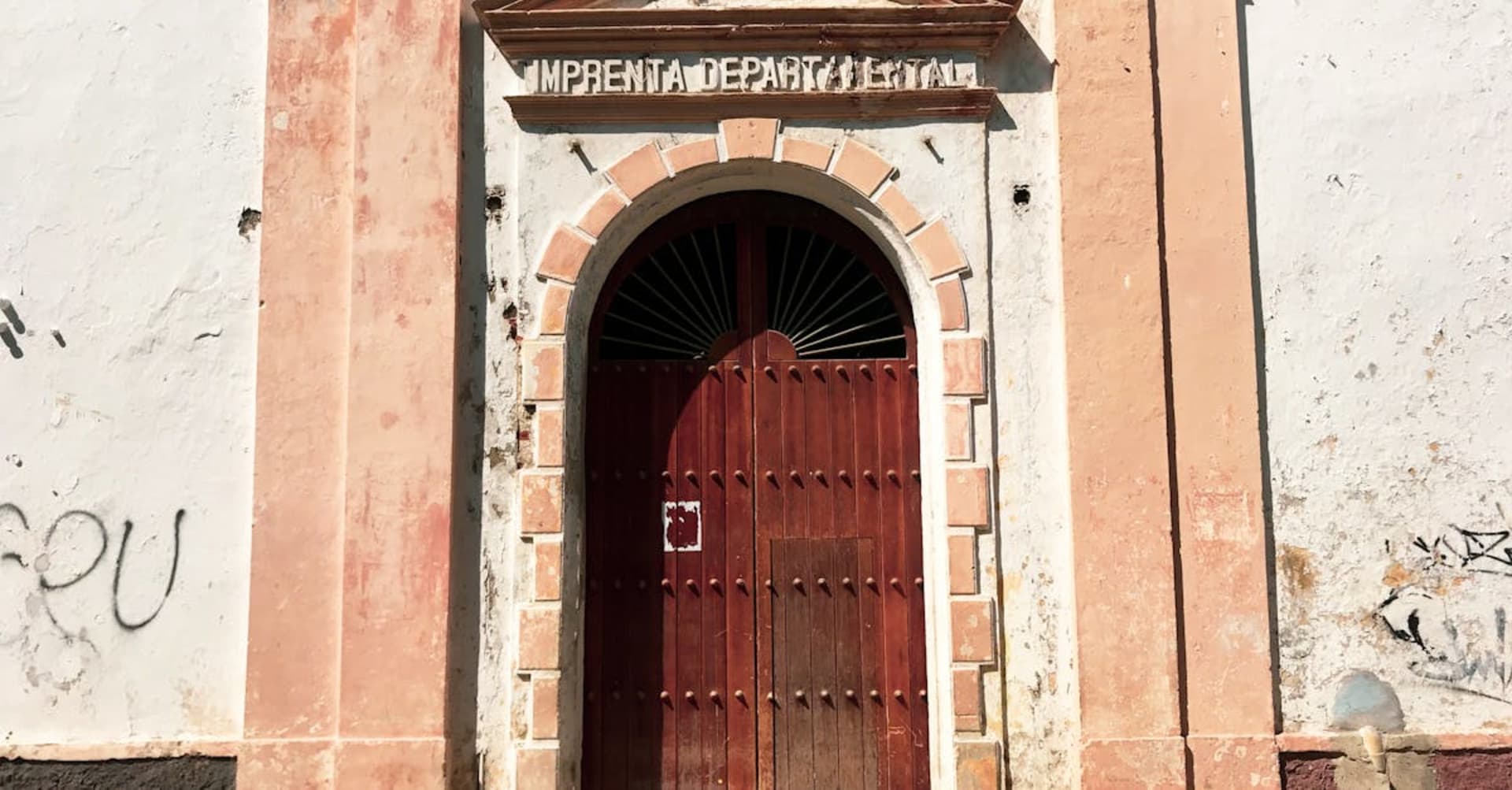
The Ciudad Amurallada, the walled city, is small enough to walk entirely in an hour and dense enough to spend days inside without exhausting it. The residential and commercial streets — Calle del Santísimo, Calle de las Damas, the corridor leading up toward the Plaza de Bolívar — are lined with colonial mansions whose balconies overflow with bougainvillea in magenta and violet. The smell is a particular mix: salt air from the Caribbean two blocks away, something frying in coconut oil, the faint sweetness of flowers. By seven in the evening, the plazas fill with families and vendors and couples, and the candlelit restaurants begin setting tables on the cobblestones outside.
Lia found a fritanga cart near Plaza de Trinidad on our second night and came back with a paper cone of fried carimañolas — cassava stuffed with spiced beef — that were so good we went back every evening after that. The cart was run by a woman who seemed amused by our inability to pace ourselves.
What the Walls Are Actually For
I had assumed the walls were primarily decorative, in the way that most surviving fortifications have become. They are not. Climbing to the top of the Murallas at sunset, walking the circuit above the Caribbean with the old city at your back and the open water in front, it becomes clear that Cartagena spent three centuries genuinely terrified of pirates. The Castillo San Felipe de Barajas, the enormous hilltop fortress just outside the walls, is the most complete Spanish colonial military construction in the Americas — a maze of ramps, tunnels, and batteries that was never successfully taken. Walking its underground passages with only a flashlight felt more like archaeology than tourism.
The unexpected discovery came on the third day: a small door in a wall near the Barrio Getsemaní — the neighborhood just outside the walls, more lived-in and less polished than the interior — led into a plant-filled courtyard gallery I would never have found without following a local cat through it. The work inside was serious and the woman running the space spoke about Cartagena’s contemporary art scene with an urgency that had nothing to do with tourists. The contrast with the perfectly restored colonial facades twenty meters away was disorienting in the best sense.
The Water Around Everything
Cartagena is a city defined by its relationship to the water — the Caribbean to the north, the Ciénaga de las Ánimas to the south, the bay to the west. Taking a water taxi to the Islas del Rosario for a day, or simply sitting at the edge of the walls in the evening watching the pelicans hunt in the last light, reminds you that all the history and beauty and noise of the city exists on a narrow strip of land surrounded by sea. There is a humility in that geography that the city’s confident architecture does not always advertise.
When to go: December through April is the dry season — clear skies, lower humidity, and the most pleasant evenings for walking. Avoid Semana Santa and the Hay Festival in January if you want to find a room without planning three months ahead.