Salamina
"Salento has the crowds and Salamina has the silence, and I know which one I drove three extra hours for."
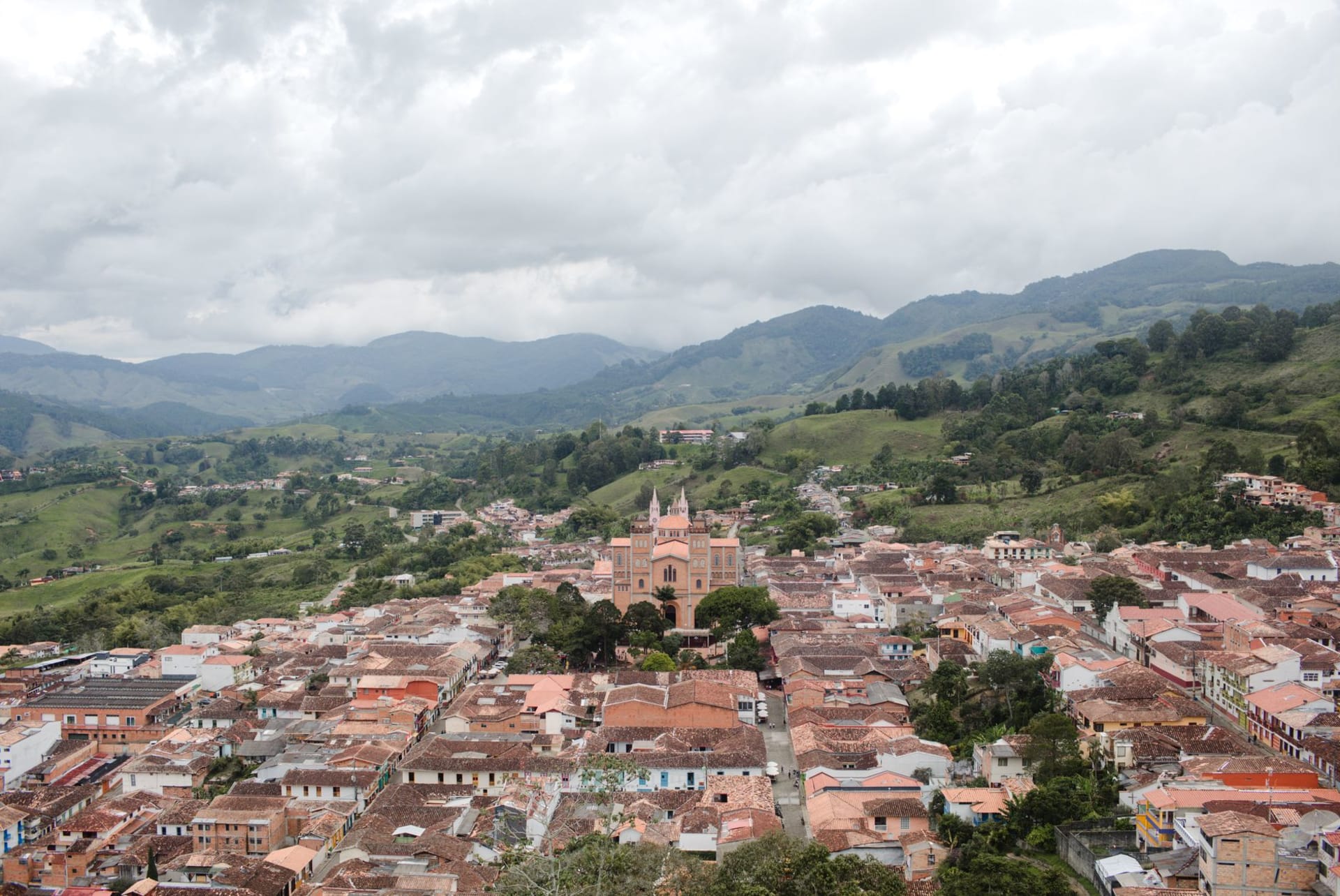
Everyone in the coffee region funnels toward Salento and the Cocora Valley, and for good reason, but if you keep going — north, up into Caldas, on roads that take their time — you reach Salamina, which is what Salento was before the buses found it. It is one of Colombia’s officially designated heritage towns, and the architecture is the reason: house after house of whitewashed walls and intricately carved wooden doors, balconies and window frames painted in deep blues, greens, and reds, all of it done by a single near-legendary nineteenth-century carpenter and his apprentices. I spent a whole morning just walking the steep streets photographing doorways, which Lia tolerated with the patience of a saint.
The Town the Buses Forgot
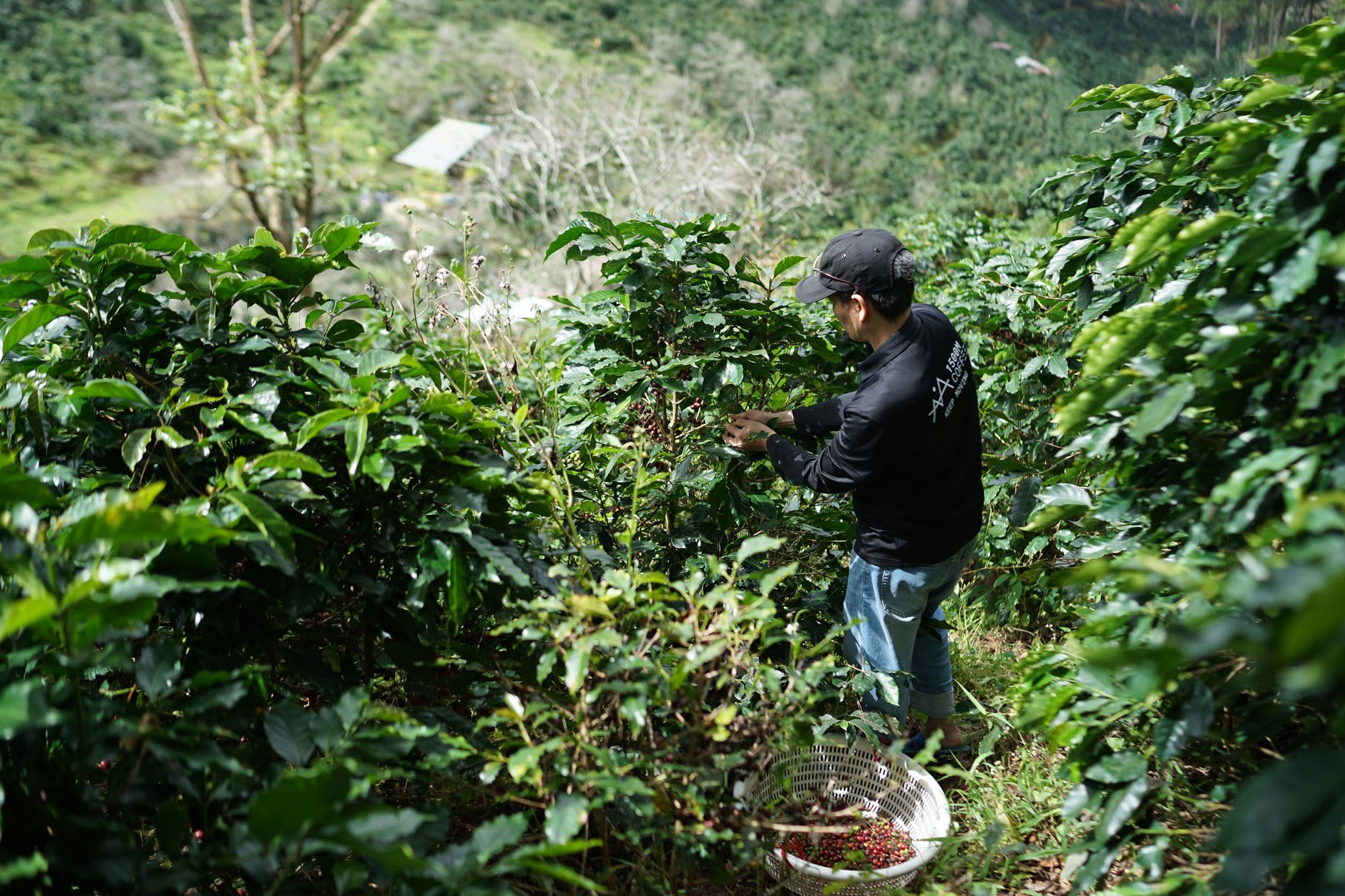
What makes Salamina is that almost nobody comes. The main plaza has a cathedral with an unusual interior of imported English ironwork, old men playing chess in the shade, and cafés serving coffee grown on the slopes you can see from your table. We ate lunch in a place with no menu where a woman brought us bandeja paisa whether we wanted the full thing or not, and we did, and then we struggled up the hill afterwards regretting nothing. The light in the late afternoon turns the painted woodwork almost luminous.
There is a local sweet here, the macana, and a tradition of nighttime walks led by a town crier with a lantern, telling old stories in the dark streets, which sounds like a tourist invention and turned out to be entirely for the locals, who came out in numbers. We tagged along not understanding half of it and enjoyed it more for that.
The Other Wax Palm Valley
The thing that genuinely surprised me is that Salamina has its own valley of wax palms, the Valle del Samaria, and it is arguably better than Cocora because you can have it almost to yourself. The wax palm is Colombia’s national tree, absurdly tall and thin, and seeing them rise sixty metres out of green pasture and morning mist never stops being strange. We drove out at dawn with a local guide, the road rough enough that I was glad not to be driving, and stood in a fold of the mountains surrounded by hundreds of these improbable trees with no sound but cattle and birds.
Getting There
Salamina is a few hours by road from Manizales, the regional capital, on winding mountain highways — this is not a quick detour, and that is precisely why it stays quiet. Stay a night rather than daytripping; the town is at its best in the early morning and the evening when the daytrippers, the few there are, have gone. Arrange the Samaria trip through your guesthouse the night before.
When to go: December through March and July through August are the driest, best for the mountain roads and for clear mornings among the palms. The valley is often misted even in dry season, which is half its magic, but you want the road dependable.