Pereira
"Pereira doesn't care if you like it. That's exactly why you end up liking it."
There is a nude Simón Bolívar in the centre of Pereira’s main plaza. The statue — El Bolívar Desnudo, by the sculptor Rodrigo Arenas Betancur — shows the liberator of South America without clothes, arms spread, head back, looking skyward with an expression that reads somewhere between ecstatic and alarmed. The city put it there in 1963. The debates about whether it was appropriate took about four years to settle. I mention this because it tells you something about Pereira: the city has opinions, is not shy about them, and will defend its choices longer than you expect.
Pereira is the largest city in the Eje Cafetero and the one that feels least like a coffee region destination. It is a commercial and transport hub — the airport at Matecaña is the main entry point for the region, the bus terminal connects in every direction — and its energy is accordingly functional. But it is also, in its evenings and weekends, a city that dances. The salsa scene is not as celebrated as Cali’s but it is genuine: clubs in the Circunvalar neighbourhood that fill on Thursday nights with couples who clearly know what they are doing, the music louder and the movements more serious than any tourist-facing dance school would suggest.
The street food in Pereira runs later than anywhere else in the coffee region. On the streets around the bus terminal and the Avenida Circunvalar, the food stalls keep going until two or three in the morning — mazorca asada, chuzos, empanadas, the particular paisa hot dog that comes layered with crushed chips and sauce in proportions that should not work but do. I ate at a stall called something I could not read clearly in the dark at midnight after an evening that had started with the intention of an early night and ended with three hours of watching people dance in a bar where I was the only non-Colombian and this was not remarked upon in any way.
The Parque Olaya Herrera is the green centre of the city — a large informal park where families come on weekends, where young men play football on concrete pitches with the intensity of professional matches, where the old men play tejo with a focus that brooks no conversation. I sat on the grass near the fountain for an afternoon watching the city move and realised that Pereira’s particular quality is that it is completely itself. It is not orienting itself toward the visitor experience. It is a Colombian city living its Colombian life and you can come along or not.
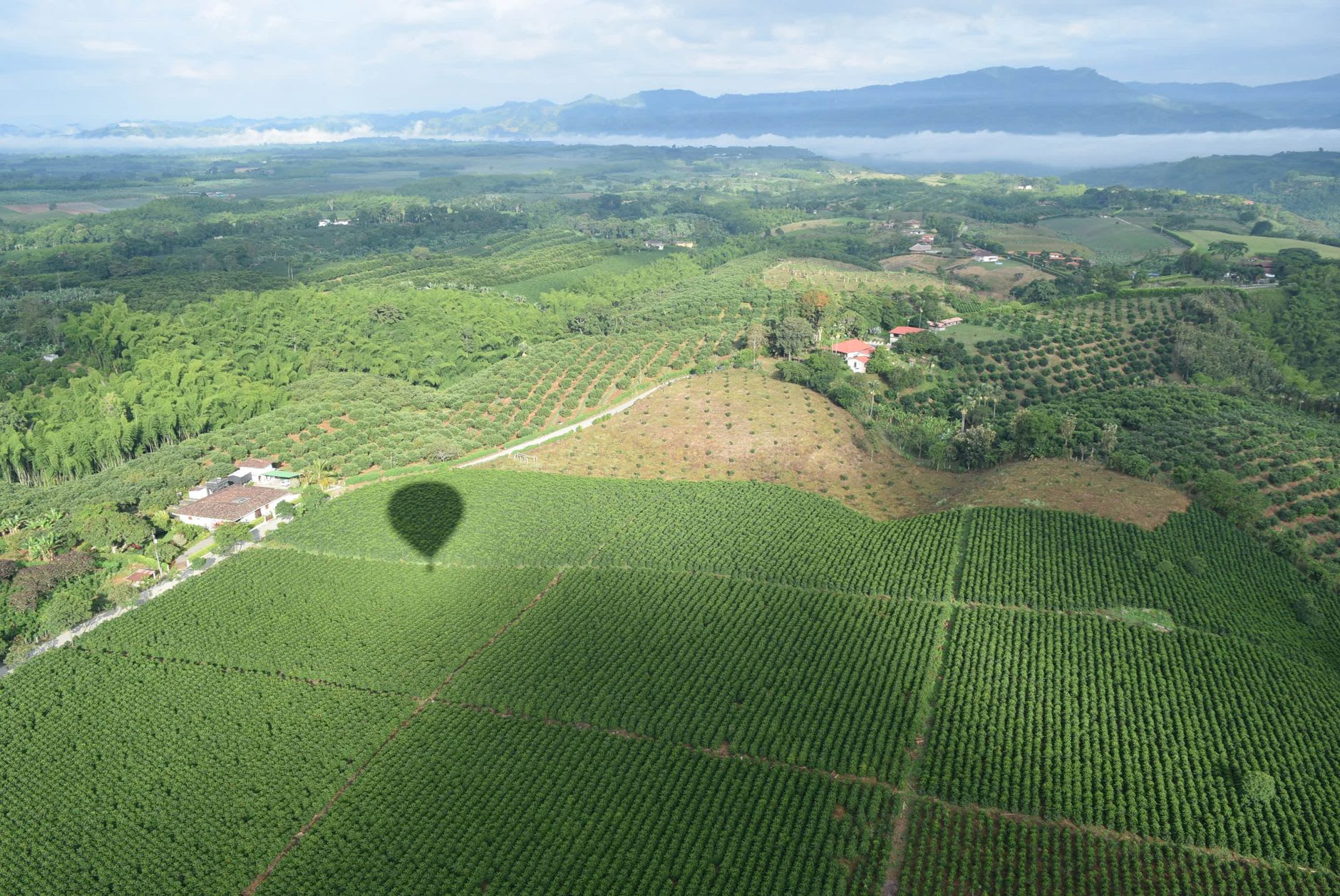
The coffee connection is real but subtle. Pereira’s cafés — the better ones — are less about spectacle and more about volume and quality. The Mercado del Café in the food market hall near the centre roasts and sells direct from regional producers: bags of beans labelled by farm and altitude, priced for the local market rather than the tourist one. I bought half a kilo of washed caturra from a farm in the mountains above Santa Rosa de Cabal and drank the best cup I had in two weeks from a basic pot in my hotel room.
When to go: Pereira is a functional city and works year-round. The December-February and June-August dry seasons give the most comfortable conditions. The city’s Fiestas de la Cosecha in September is a large agricultural fair combined with music and salsa events — worth seeing if you are in the region. Avoid the bus terminal on public holiday Sundays: the queues run to three hours.