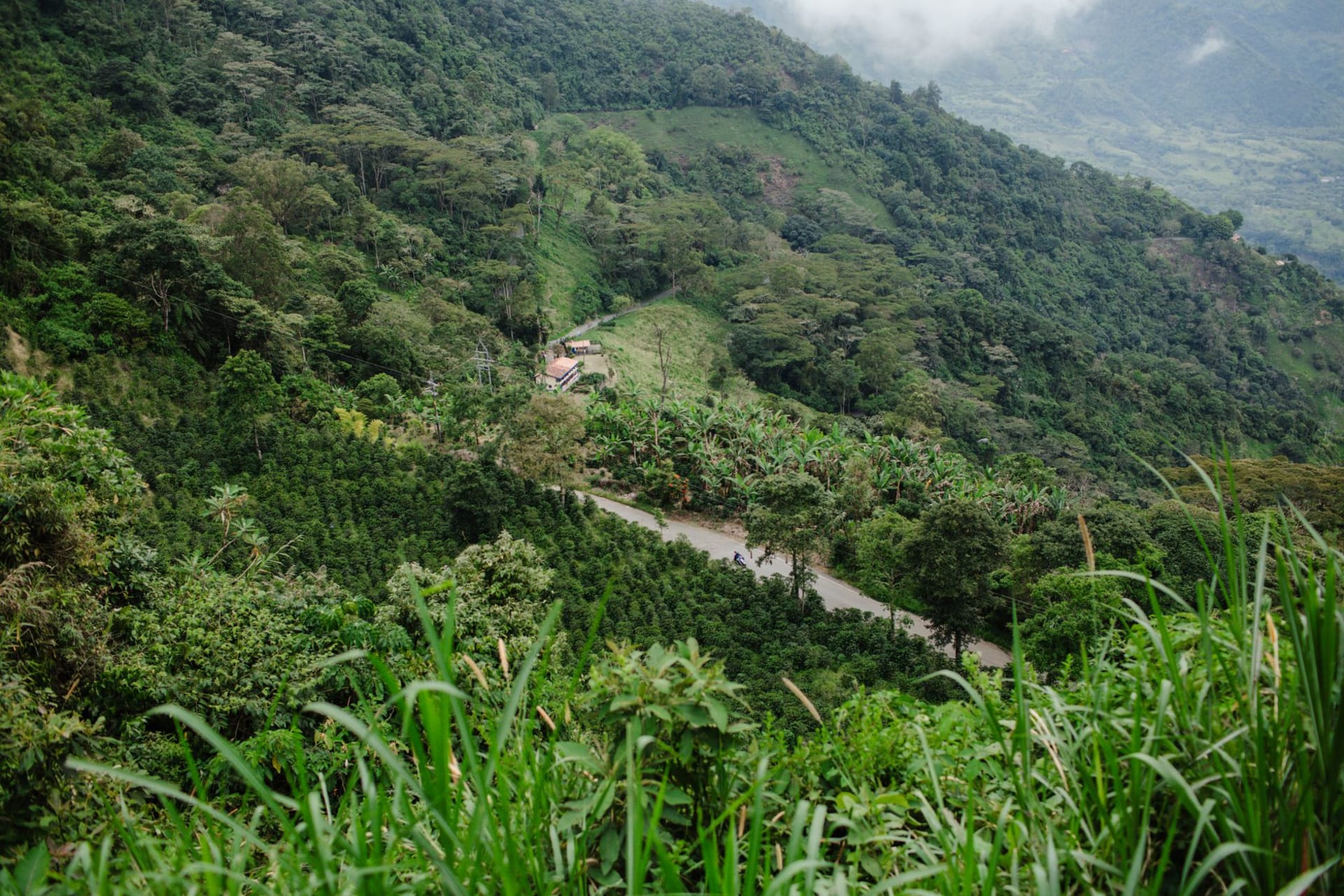
Manizales
"Every street here goes uphill in at least one direction. The city is in constant negotiation with its own geography."
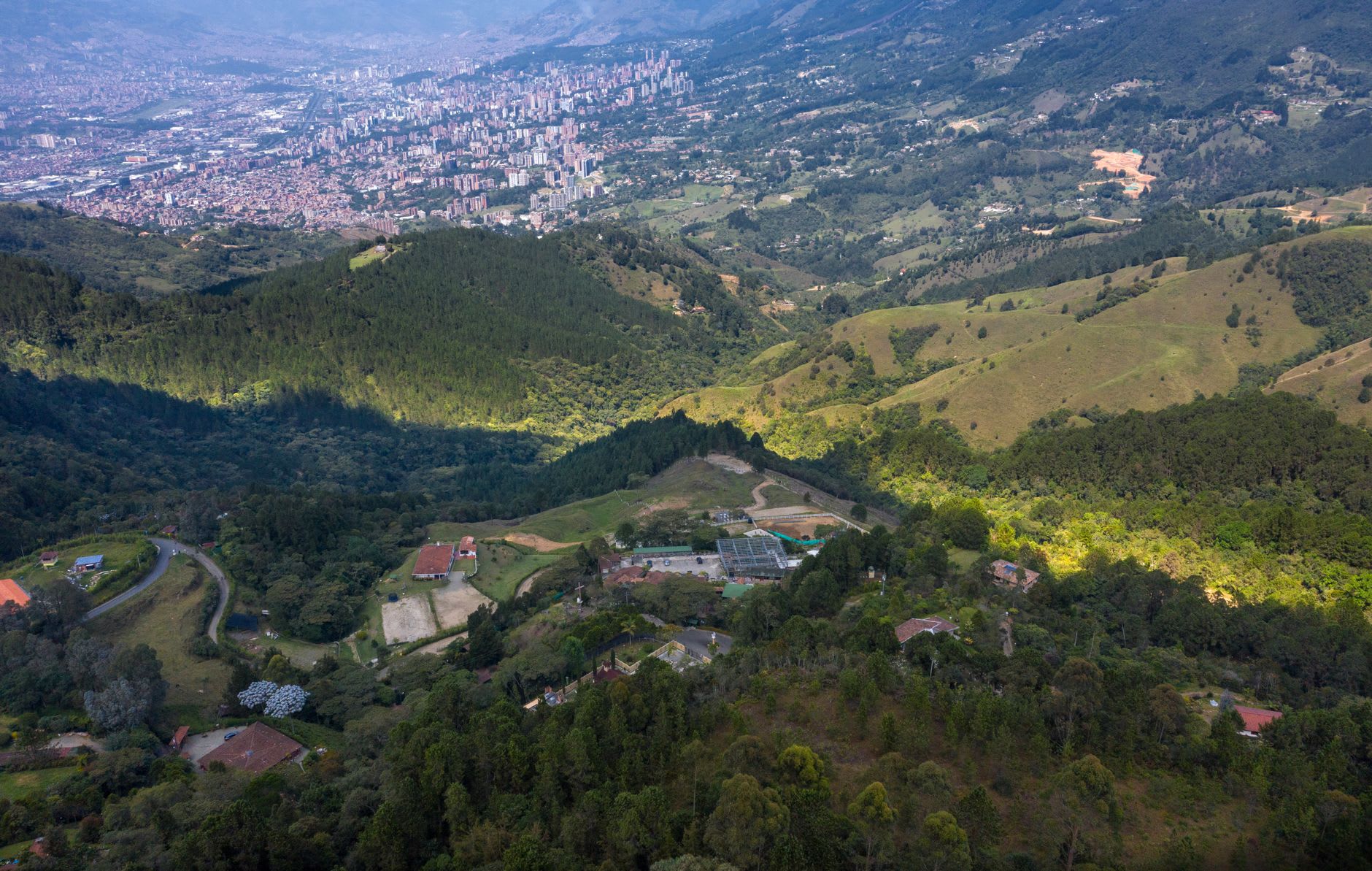
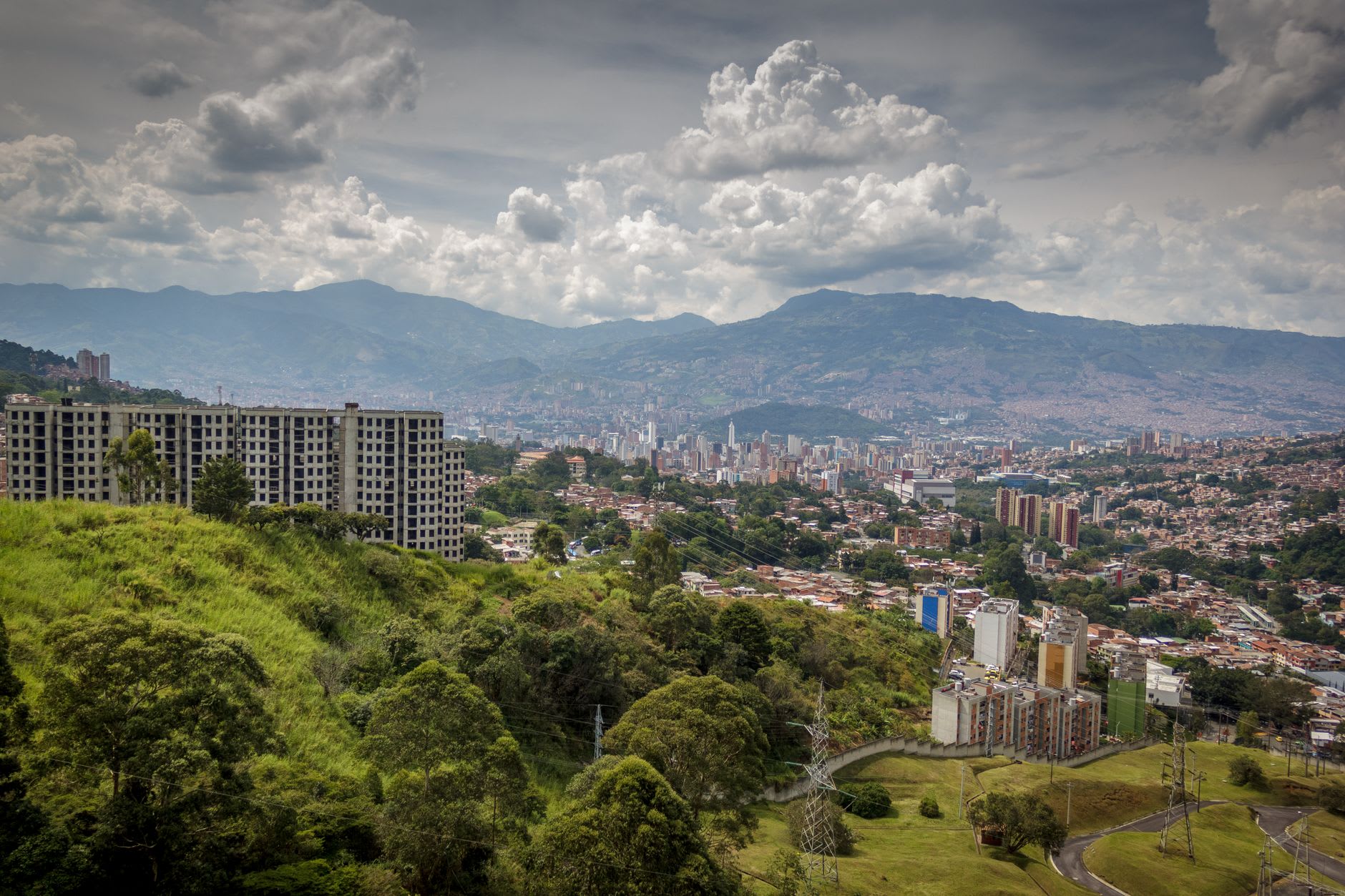
Manizales makes no concessions to flatness. The city is built on ridges so steep that the streets sometimes abandon horizontal pretence entirely and become stairways, or narrow paths between retaining walls, or that particular Andean arrangement where the pavement is level but the building entrances are on different floors depending on which side of the slope you approach from. I arrived by bus from Armenia and spent my first hour in the city entirely lost in the good way — walking downhill, assuming I would eventually find a landmark, finding instead another neighbourhood of steep tile-roofed houses and corner tiendas with hand-painted signs.
The cable car — the Teleférico — runs from the east of the city up to the thermal hotel at Nevado del Ruiz, or rather toward it, through cloud more often than not. I rode it on a morning when the visibility was perhaps two hundred metres and the cars simply vanished into whiteness ahead of me. But when the cloud breaks — and it does break, briefly, in the way Andean weather makes and withdraws promises — you can see the full width of the coffee region spread below, with the snow cone of Nevado del Ruiz floating above the cloudline in the distance.
The coffee culture here is more self-conscious than in Salento but more serious, too. The café scene in the Zona Rosa and around the university campus has the density and ambition you would expect from a city with six universities. I found a place near the Cathedral Basílica de Manizales — a neo-Gothic structure of considerable severity — that roasted its own beans in a small drum visible through a glass partition and served them in ceramic cups shaped like the mountains on the label. The barista talked about elevation and fermentation times the way my French grandfather talked about wine: with an authority that did not invite argument and did not particularly require agreement.
The market on Avenida Santander is where the city feeds itself. The stalls start in the early morning with produce from the surrounding farms — heaped with plantains and tamarillos and enormous bundles of cilantro and the small wizened potatoes from the highlands — and by midday the food stalls are serving bandeja paisa and sancocho in aluminium pots so large they require two people to lift. I ate at a counter stall for seven thousand pesos — a little over a dollar fifty — and the woman serving me had the focused efficiency of someone who has prepared the same meal several thousand times and found a rhythm in it.
The cathedral itself is worth an hour. The interior manages the trick of feeling both enormous and intimate, the stained glass casting coloured light onto columns of whitewashed concrete, and the side chapels contain some of the most earnest devotional folk art I have seen in Colombia — painted saints with eyes too wide, votive candles in red and yellow glass, photographs of the sick and grateful pinned to the wall beside the altarpiece.
When to go: Manizales sits at around 2,150 metres and is cool year-round — bring a layer even in the dry season. The Feria de Manizales in January combines bullfighting, concerts, and general civic exuberance if that is your thing; avoid it if it is not. February and July are the clearest months for cable car views.