Circasia
"The cemetery here is more alive than most towns. That's not a complaint about the town."
Nobody told me about the cemetery. I had come to Circasia for the coffee farms — the town sits at the centre of a cluster of small family-run fincas that are harder to find and better for it — and I was walking to a meeting point when I passed through the gates of the Cementerio Libre de Circasia and stopped moving for about twenty minutes. The place is extraordinary: white-walled tombs of various architectural ambitions, some neoclassical, some vernacular, some simply painted in colours that the living tend to avoid for such occasions — coral, turquoise, lemon yellow — and everywhere flowers, fresh and artificial and paper, in quantities that suggest a town that has decided grief is not the only permissible response to the dead.
The cemetery is actually a cause for local pride — it was founded in the nineteenth century as a secular burial ground, radical for its time, accepting those that the Catholic church would not. The result is a place with a different social logic than most Colombian cemeteries, more democratic in its layout, more eclectic in its aesthetics. I found a section of tombs decorated entirely with photographs, the residents’ faces laminated and framed, so that walking the row felt like browsing a community archive of a century of local faces.

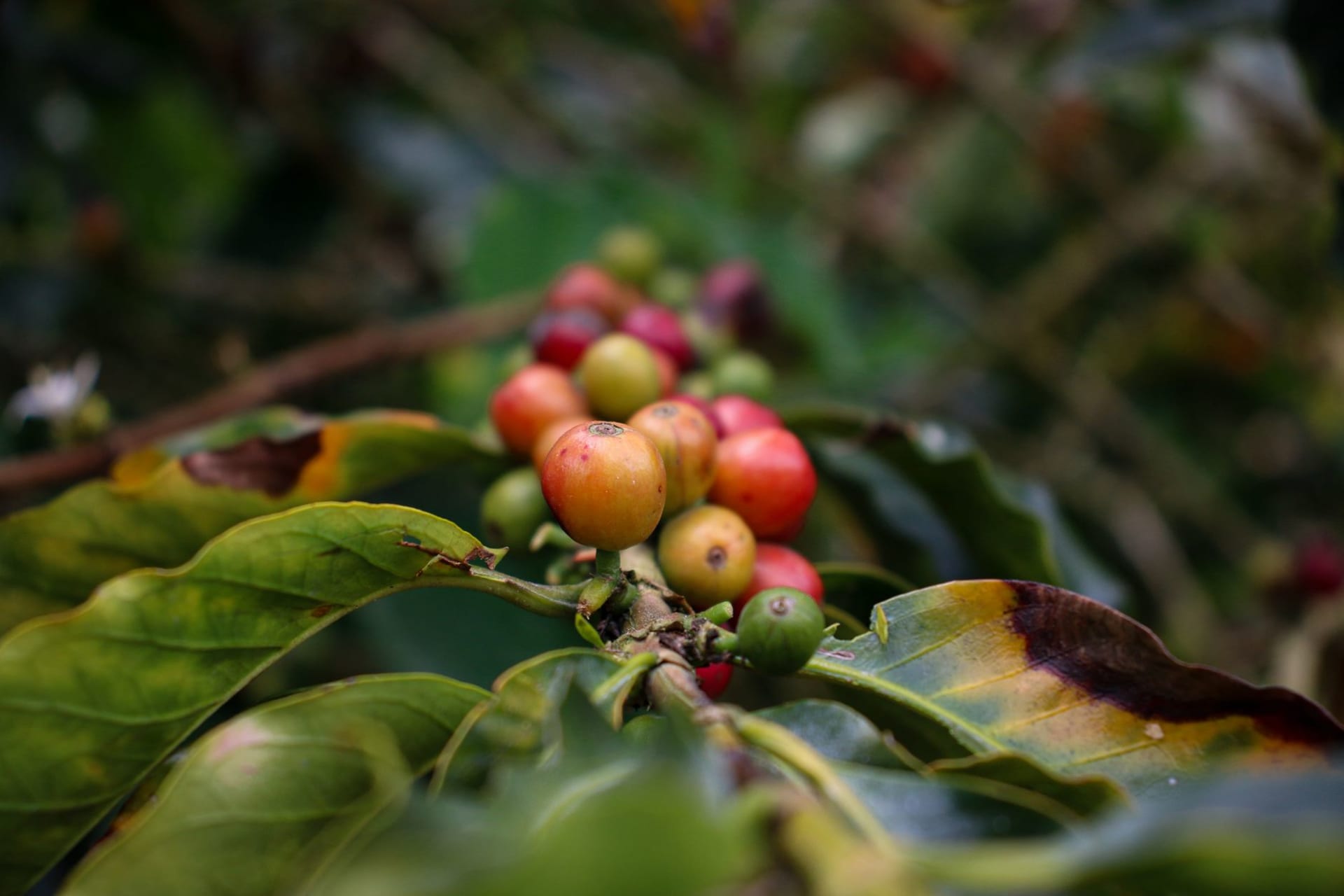
The coffee access around Circasia is genuinely different from Salento’s. The farms here are smaller, farther from the road, and not built around the tourist cycle. A driver named Hernán who I found through the market square tienda took me to his cousin’s finca on a hillside above the town — forty minutes up a dirt track, a farmhouse with two dogs and a chicken living in the kitchen — and spent an afternoon walking me through a harvest that was already underway. The cherry-picking is faster than it looks. The fermentation tanks smell of something between fruit punch and bread. The patios where the parchment coffee dries in the sun are raked in long strokes by a woman who told me she had been doing this specific task for thirty-one years and who seemed neither worn down by the repetition nor particularly interested in my fascination with it.
The market in the main square runs Tuesday and Saturday and sells everything the surrounding farms produce: bundles of fresh herbs, raw cacao pods that you can crack open and eat the sweet white pulp from with your fingers, plantains at every stage of ripeness, a section of live chickens that generates a continuous low-grade alarm. I bought a bag of fresh coffee cherries on impulse and then had to explain to my hospedaje host what I intended to do with them, which led to a half-hour conversation and eventually a cup of the pulped and dried beans she had been keeping back.
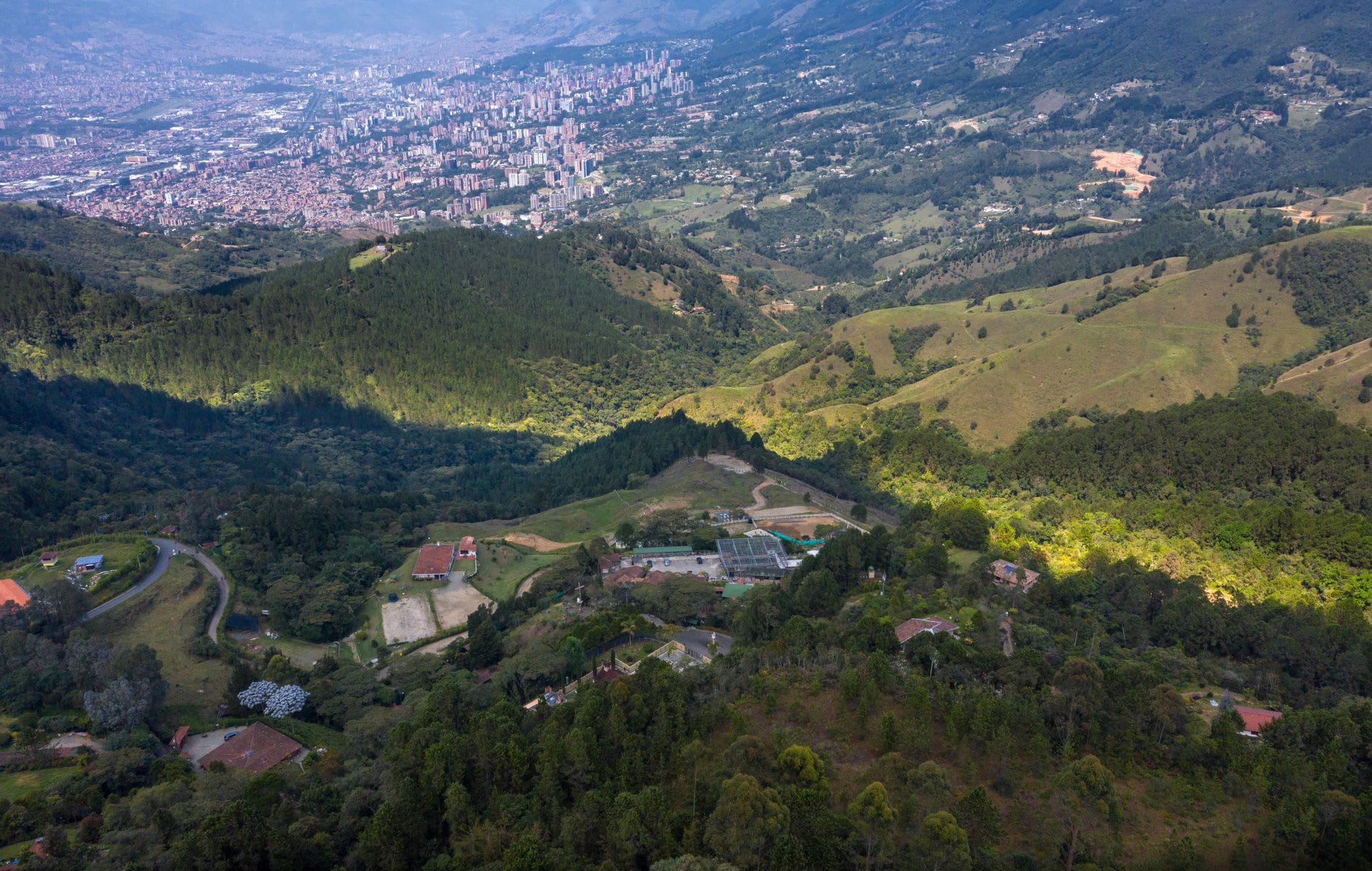
Circasia itself is a proper working town — there is a central square with benches and a church of no particular architectural distinction, hardware stores, a barbershop whose clientele appeared to consist entirely of men over seventy. It has nothing that would appear in a best-of list. It has everything that makes a place feel like it belongs to itself.
When to go: Coffee harvest in Circasia runs roughly October through December for the main crop and April through June for the mitaca. Either period puts you in the fields during active work — the most direct way to understand what the region is actually doing. Dry season visits in January-February give better road conditions for the finca tracks, which turn to mud in heavy rain.