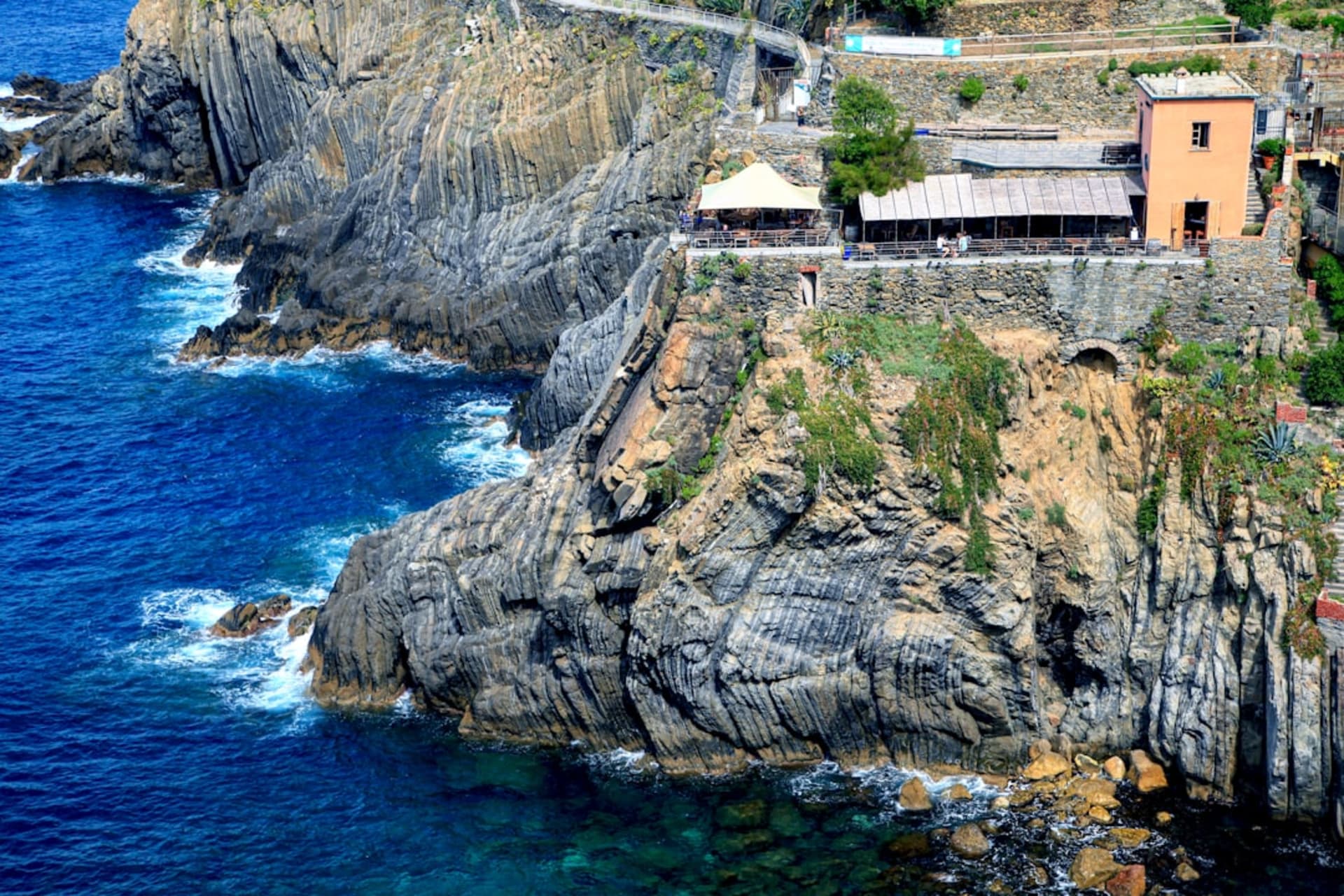
La Spezia
"I spent a whole layover morning in La Spezia thinking it was just a transit hub, then realized halfway through a plate of mesciua that I liked it more than half the villages."
The naval port city and rail-and-ferry gateway to the Cinque Terre, with a working shipyard, a decent museum, and none of the tourist gloss.

Almost nobody plans a trip to La Spezia. It’s where you change trains, buy your Cinque Terre park card, maybe grab a coffee before the local rail line pulls out toward Riomaggiore. I did that exact thing on my first visit — treated it as fifteen minutes of dead time — and it took a second trip, when we got stuck there for a few hours because of a missed connection, to actually look at the place.
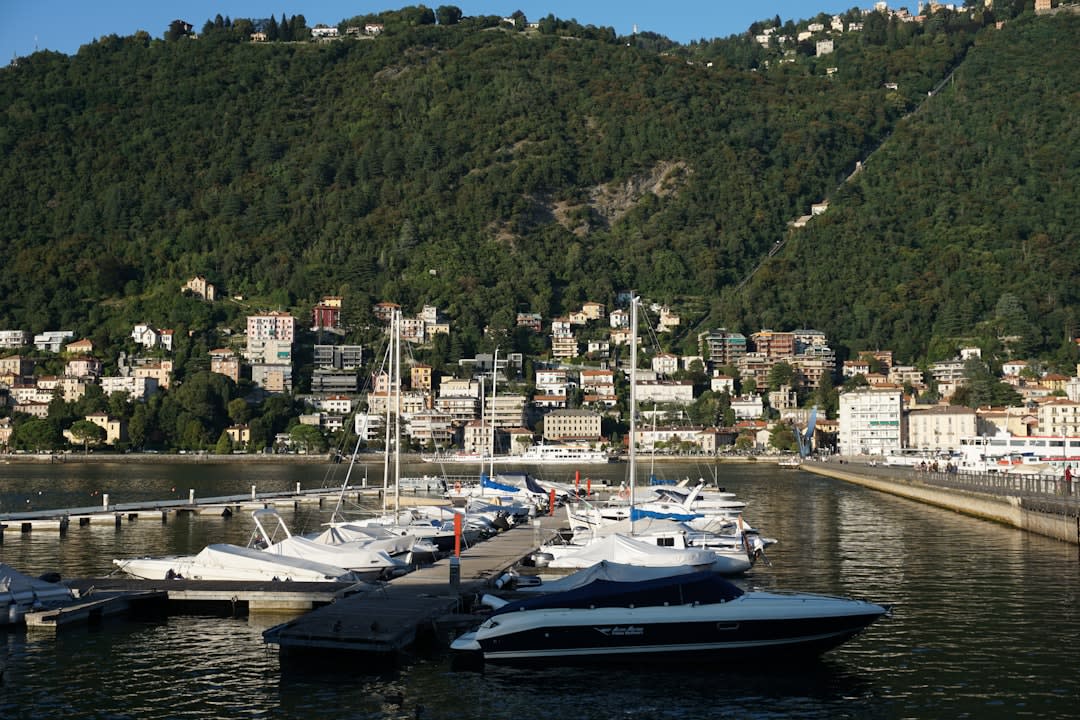
It’s a real Italian city, which after a few days of Cinque Terre’s villages starts to feel almost novel. La Spezia is home to one of Italy’s main naval bases, and you feel that immediately on the waterfront — grey warships tied up alongside pleasure boats, a naval museum with actual submarines you can walk through, and none of the aggressive cuteness that Vernazza or Manarola have leaned into for the tourist economy. People here have jobs that aren’t about tourism, which changes the texture of a place more than any guidebook admits.
We ended up eating at a no-frills trattoria a few blocks off the water, the kind of place with a handwritten menu and a TV playing football in the corner, and had mesciua — a local bean-and-grain soup, chickpeas and wheat and beans in olive oil, that I’d never heard of before and that apparently is specifically a La Spezia dish, born out of dockworkers scavenging spilled grain sacks from the port centuries ago. It’s humble food with a real story behind it, which is more than I can say for most of what gets served up as “authentic Ligurian cuisine” in villages built around day-trippers.

If you have a spare morning, the Friday market along Via Garibaldi is worth catching — stalls selling everything from farm cheese to cheap sunglasses, spread over several blocks, entirely local in character. And the walk up to Castello San Giorgio gives you a view over the whole gulf that rivals anything you’ll get from the coastal trail, minus the entrance fee to the park and the crowds fighting for photo spots.
When to go: Any season works since La Spezia isn’t weather-dependent the way the coastal villages are, but a Friday visit lets you catch the market — check ahead, as it occasionally moves for holidays.
Keep exploring
More from Cinque Terre
 cinque-terre
Levanto
The larger town just north of the park boundary where the beach is long, the prices are sane, and nobody is elbowing you for a sunset photo.
Explore cinque-terre
Manarola
The village that earns its place on every calendar: at dusk, those stacked facades turn gold in a way no filter can improve.
Explore cinque-terre
Monterosso al Mare
The biggest and most livable of the five — the only one with a real beach, cold lemon granita, and room to breathe.
Explore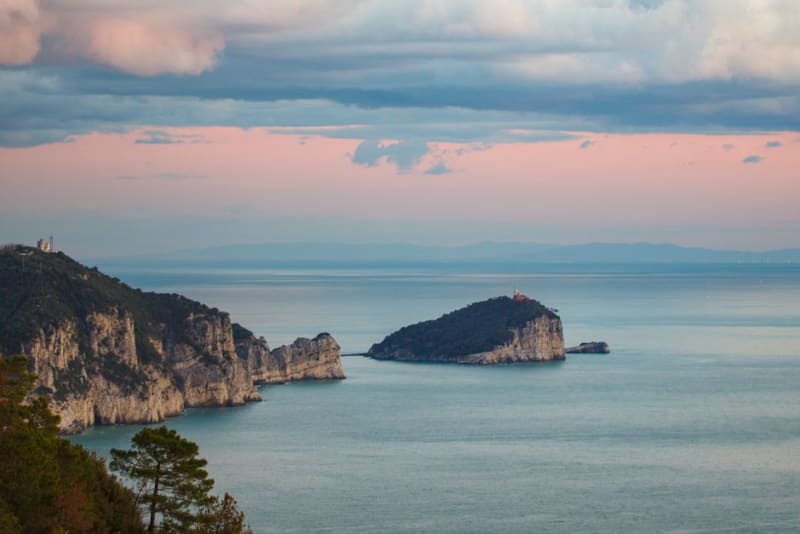 cinque-terre
Palmaria Island
A rugged, largely uninhabited island off Portovenere, threaded with crumbling WWII gun emplacements and coastal trails above turquoise coves.
Explore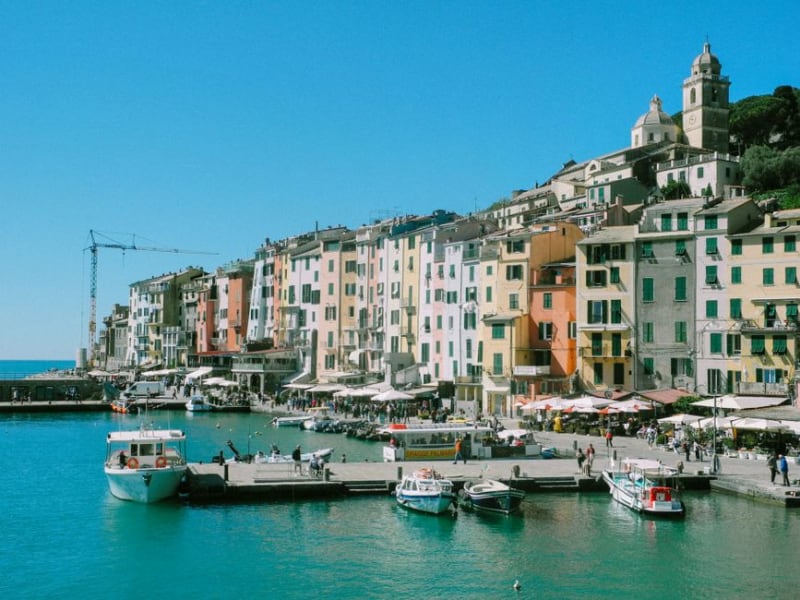 cinque-terre
Portovenere
A fortified harbor town just south of the Cinque Terre, where pastel houses stack toward a Byron-linked sea grotto and a cliff-top church.
Explore cinque-terre
Punta Bonfiglio
The pine-shaded headland above Manarola where the famous postcard view happens and the sunset crowd forgets to be annoying.
Explore