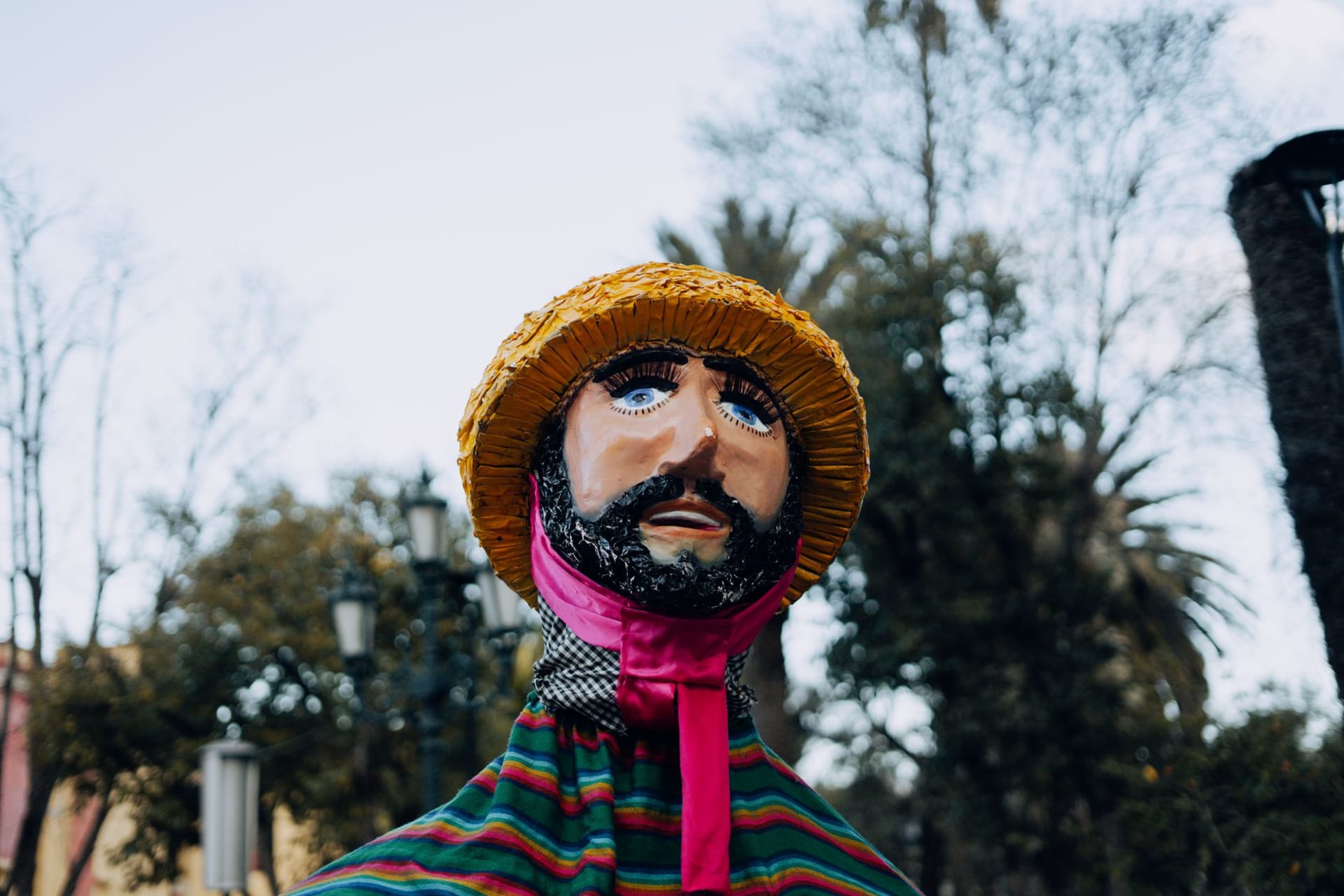
San Cristóbal de las Casas
"Every city has a political subtext. San Cristóbal wears its openly, which is why I keep coming back."
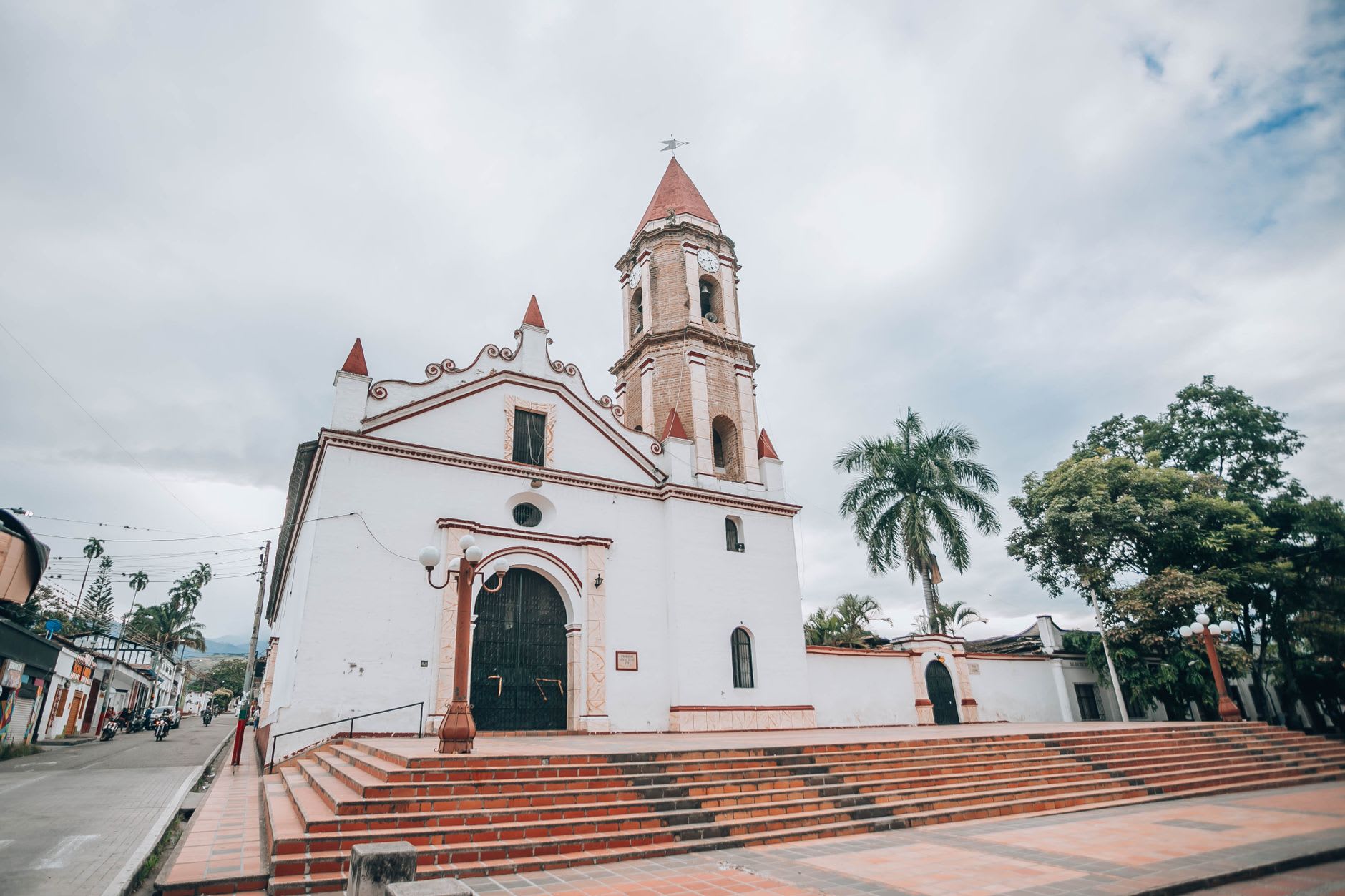
I arrived in San Cristóbal on a Tuesday afternoon, coming down from the mountains through fog so thick the bus seemed to be feeling its way forward with its headlights. When the city finally appeared — terracotta rooftops, church towers, the grid of colonial streets pressed into a bowl between pine-forested ridges — it looked like it had been there forever and knew it. The air was cool at 2,200 meters, a genuine relief after weeks of coastal heat, and it smelled of wood smoke and pine and the particular dampness of highland afternoons. I pulled my jacket out of my bag for the first time in months and walked up to Real de Guadalupe with something approaching gratitude.
The street itself is the first thing you understand about San Cristóbal. It runs east from the cathedral, lined with low colonial buildings painted in deep amber, terracotta, rust, and green. In the mornings, Tzotzil and Tzeltal women set up along the pavement selling textiles — huipiles, woven belts, embroidered cushions, the colors running to hot pink and electric blue against handwoven black wool. The commerce is not aggressive; the women sit with their work spread around them with a patience that feels like a quiet form of insistence. These textiles are not souvenirs. They are the product of a tradition that has outlasted three colonial languages and a couple of economic collapses.
What keeps me in San Cristóbal longer than anywhere else in Mexico is the texture of its politics, which is impossible to ignore and impossible to resolve. The Zapatista uprising of 1994 happened ninety minutes from here. The autonomous municipalities still function. In Café Revolución on Avenida 20 de Noviembre — a cooperative, the signage will make clear — you drink coffee grown at Zapatista altitude, and the walls carry faded murals that make perfectly clear where the establishment’s sympathies lie. I have eaten tlayudas here, drunk more cups of that dark, earthy highland coffee than I can count, and I still cannot decide whether the revolutionary project succeeded, failed, or simply continued at a pace and on a scale that newspapers cannot adequately photograph. That uncertainty is, I think, the point.
The market on Santo Domingo is where the city’s indigenous majority becomes most visible. The church behind it — its pink baroque facade encrusted with carved saints and vines — frames the open-air stalls where herbs are sold by the kilo, incense fills the lower air, and women in the wool skirts and embroidered blouses of their particular village or municipality move with the unhurried authority of people who know exactly where they are. The Na Bolom cultural center, a few blocks away, sits in the house where the photographer Trudi Blom and anthropologist Frans Blom lived for decades, advocating for the Lacandón Maya. It is oddly moving — a house-museum that carries genuine grief for a forest that was disappearing even as they documented it.
In the evenings, San Cristóbal does something I have not seen another colonial city do as naturally: it becomes simply itself. The tourists are here, and the restaurants are good enough that I do not feel embarrassed eating in them, but they do not colonize the atmosphere. At the mercado municipal, families eat pozol — a fermented corn drink that tastes faintly sour and almost medicinal — from plastic cups, and the tlayudas are made on a wood-fire comal at the back of a stall where three generations are working simultaneously. You eat standing at a low counter. The coffee, again, is extraordinary.
When to go: November through February is the sweet spot — dry, clear days and cool nights perfect for walking. July and August bring the rains and occasional mud, but the hills turn fiercely green and the market fills with more vendors sheltering from the weather. Avoid Easter week unless you specifically want the processions, which are intense.