Comitán de Domínguez
"Comitán is the kind of town that rewards arriving without a plan and spending three days anyway."
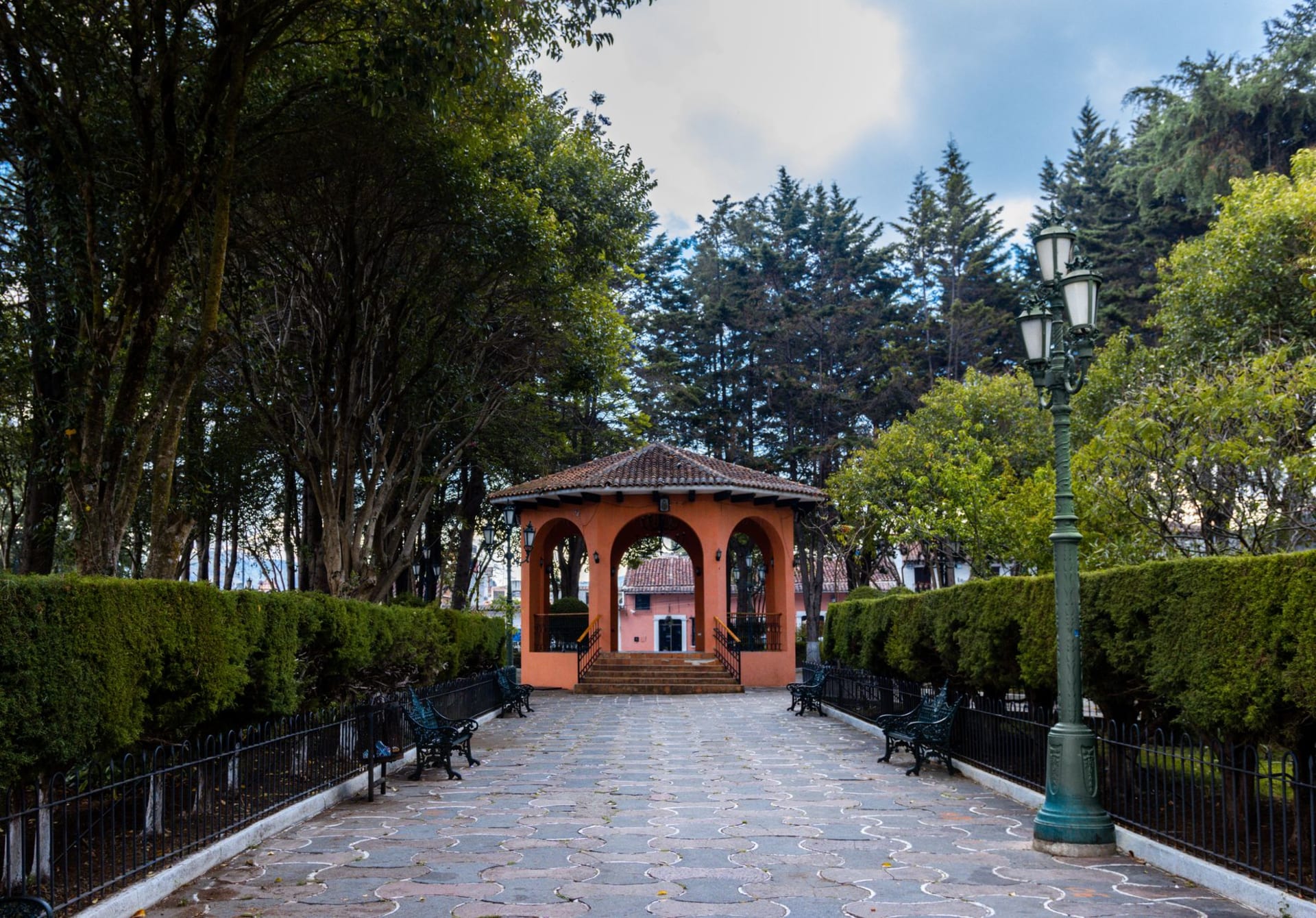
I came to Comitán intending to spend one night on the way to the Montebello lakes. I stayed three. There is something about the city’s pace — measured, provincial, confident in its own rhythms — that makes rushing feel genuinely rude. The zócalo is arcaded on three sides in colonial fashion, the fourth side occupied by the church of Santo Domingo, and on weekday mornings the cafés under the arches fill with retired men reading newspapers and students nursing coffees while conducting animated arguments that seem to have been running for some weeks. Nobody is performing leisure here. They are simply practicing it.
Comitán sits at 1,620 meters in a highland basin that opens to the south toward the Guatemalan border, and the light in the late afternoon has the particular quality of high altitude places — thin and clear and somehow closer than it should be, making the ochre and cream colonial facades glow. Rosario Castellanos, one of Mexico’s most important twentieth-century poets and novelists, was born here in 1925, and the house she grew up in is now a museum that doubles as the city’s cultural center. Her work — preoccupied with indigenous women, colonial hierarchies, and the specific texture of Chiapas highland life — makes more sense standing in her childhood bedroom looking out at the courtyard.

The food in Comitán stopped me twice. Sopa de pan — the city’s signature dish — is one of the genuinely unusual preparations in Mexican regional cuisine: a baked casserole of day-old bread soaked in a spiced broth, layered with plantain, dried fruit, raisins, cinnamon, piloncillo, and a fried banana that somehow holds its shape through the cooking. It arrives in a clay bowl that has been in the oven, the top surface caramelized and fragrant, and eating it the first time I could not quite locate it on any known flavor map. Sweet and savory occupying the same space, warm and slightly sticky, tasting of colonial trade routes in a way I mean literally — the combination of Old World spices with New World corn is exactly that. I ordered it twice before leaving.
The other discovery was comiteco, a local liquor distilled from agave that functions like a rougher, more floral cousin of mezcal. It is sold in the market from unlabeled bottles by a woman who had strong opinions about how it should be consumed — with a wedge of lime, without, with hibiscus salt, depending on what you were eating. I tried several configurations and concluded she was right about all of them.

Around Comitán the landscape opens into a wide highland plain that on clear days frames a distant view of the Tacaná volcano and the mountains of Guatemala beyond. The Tojolabal and Tzeltal communities in the surrounding municipalities maintain a presence in the city’s markets that gives Comitán a character distinctly different from more tourist-saturated San Cristóbal — less self-conscious about its own interest, more absorbed in the daily work of a functioning market town.
When to go: November through March offers the driest conditions and clearest days for the surrounding highlands and views toward Guatemala. The city functions pleasantly year-round, but the roads to Montebello and the smaller villages around it are easier in the dry months. Weekends bring more market activity.