Cañón del Sumidero
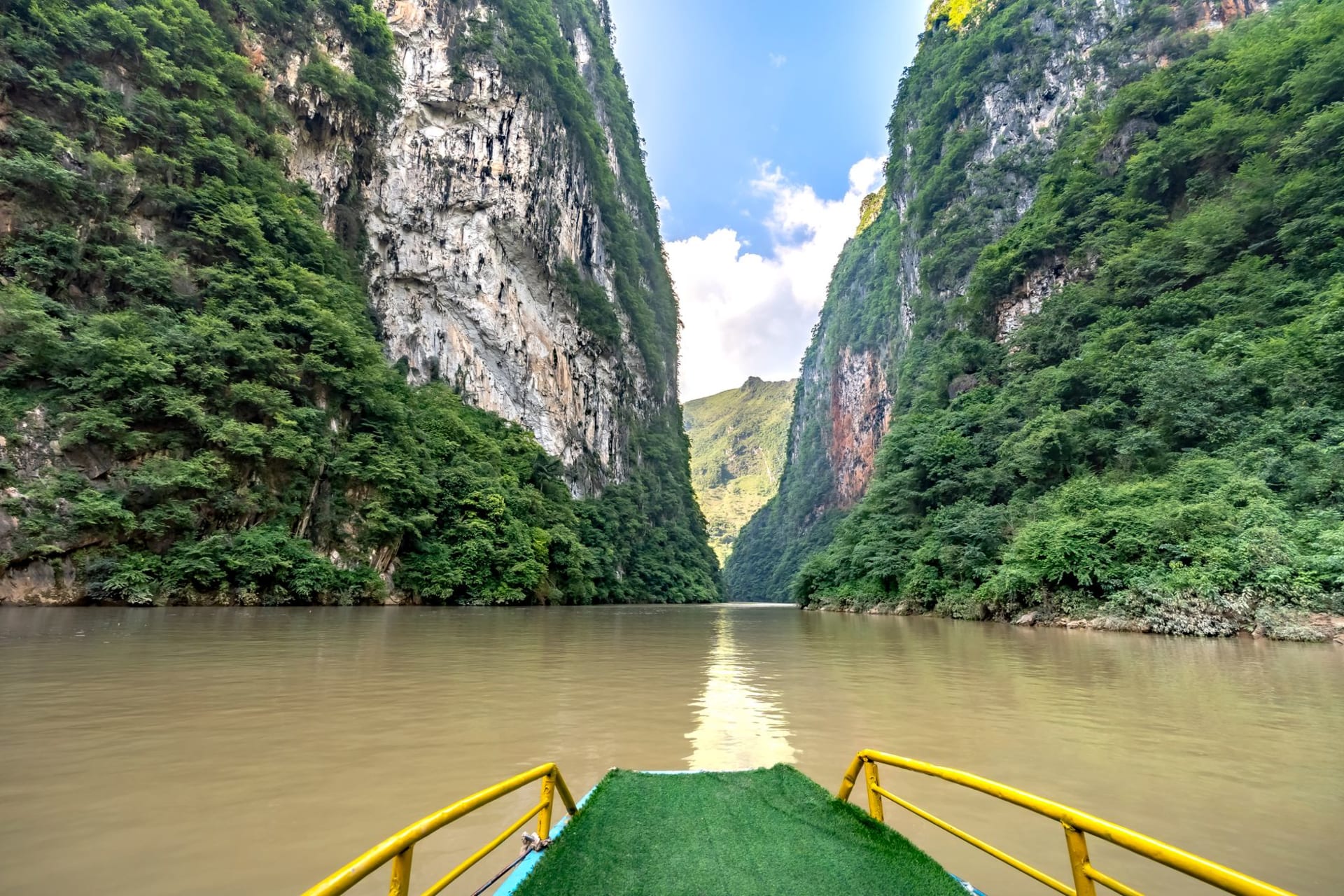
"Looking straight up at a kilometer of cliff from a boat on the river — scale becomes a genuinely strange sensation."
The boat I hired in Chiapa de Corzo was small and fast and smelled of outboard motor and river mud, and the canyon mouth opened around us before I had properly registered leaving the dock. What happens inside Cañón del Sumidero is a study in vertical scale. The Grijalva River cuts through the Chiapas highlands here in a gorge whose walls rise nearly a thousand meters on both sides — sheer limestone and basalt faces, draped in ferns and mosses in the sections where seeps and waterfalls keep the rock wet, bare and bleached white in the sections where the sun reaches directly. Inside the canyon, looking straight up, the sky is a narrow strip and the walls are everything.
The lanchas make the two-hour trip from Chiapa de Corzo, a colonial town just outside Tuxtla Gutiérrez, running upriver to a series of formations and then turning back. The boatman stopped at a crocodile — a large one, perhaps two meters, hauled up on a flat rock with the particular motionlessness of an animal that has been warm for hours. There were three more further up the canyon, smaller, barely distinguishable from the gray stone. In the afternoon light the walls changed color, the rock going from gray-white to warm orange to almost red as the sun dropped below the canyon rim and the air cooled abruptly.
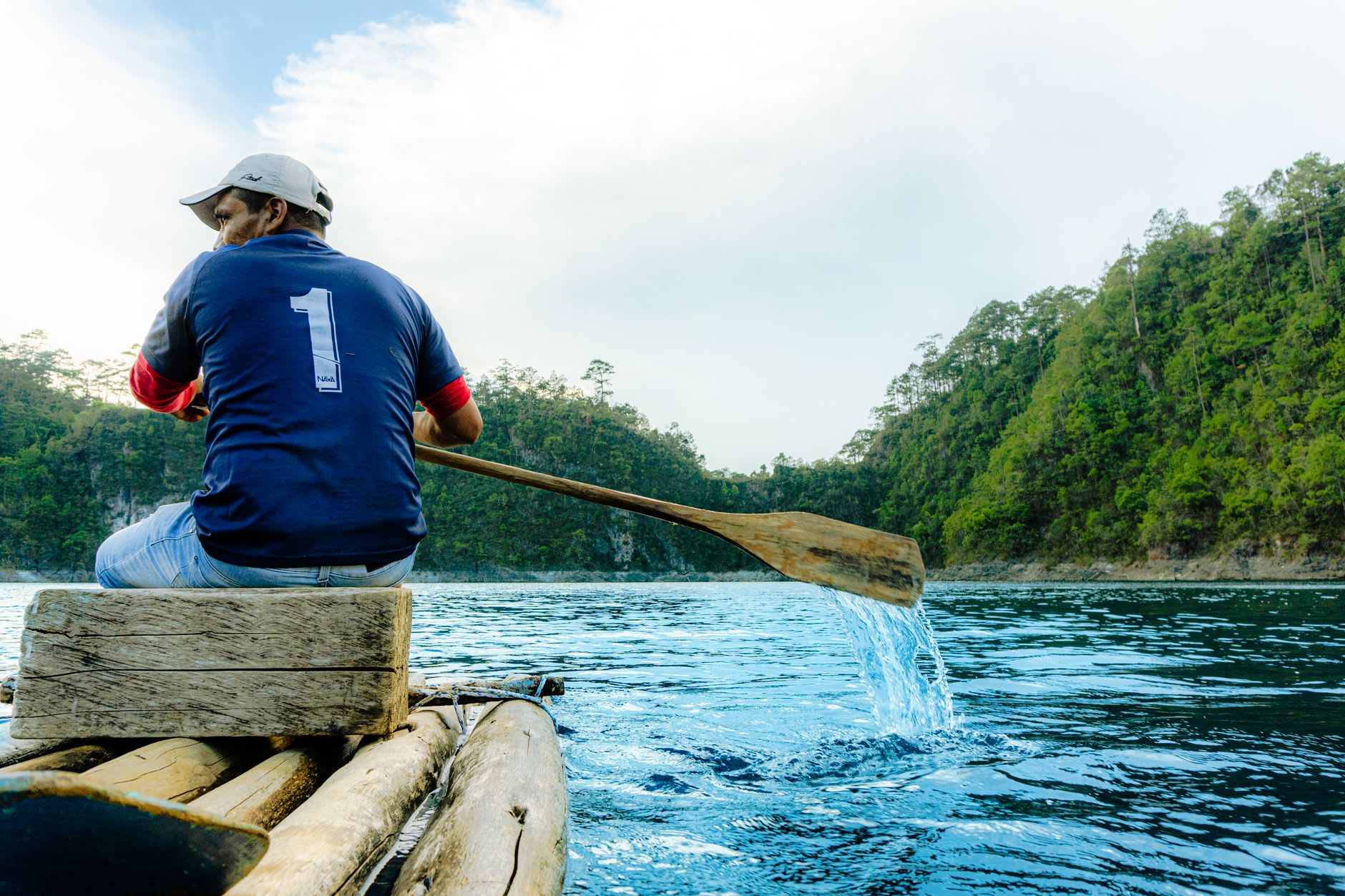
There is a waterfall inside the canyon — not a dramatic thundering one but a seep that has built, over centuries, a curtain of travertine moss and ferns that hangs down the cliff face like a green tapestry. In the rainy season, when the river is higher, it becomes more dramatic; in the dry months it is quieter, stranger, the rock formation behind the hanging vegetation creating something that looks less like a natural feature than an installation. Tourists photograph it from the boats as the boatmen cut the engines and let the craft drift, and for a moment the canyon is very quiet.
What strikes me most about Sumidero — and it took me a second visit to articulate this — is that it is fundamentally a place of geological time operating at a scale that puts human scale in its proper place. The canyon did not begin forming when the Maya arrived. It did not begin forming when the Spanish arrived. The Chiapanec people who, according to oral history, leapt into the river here in the sixteenth century rather than surrender to Spanish soldiers — their deaths are commemorated at a mirador above the canyon — are recent events in terms of what the rock records. Sitting at the bottom and looking up, that context arrives unexpectedly.
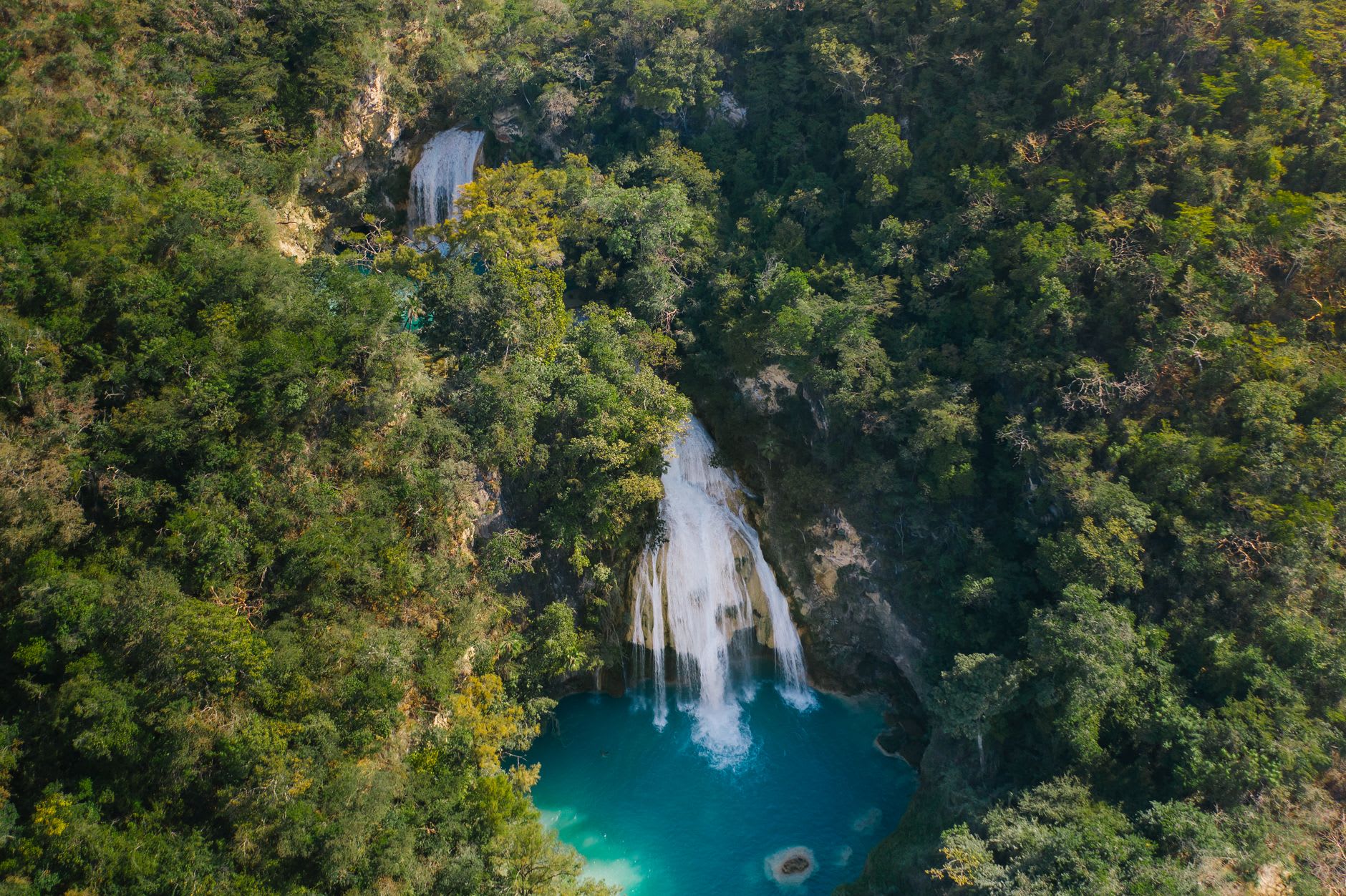
Chiapa de Corzo, the departure point, is undervisited relative to San Cristóbal and deserves an hour before or after the boat trip. Its central fountain is a Moorish mudéjar structure from the sixteenth century, surprising to find in a small colonial town in southern Mexico, and the church alongside it has an open-air atrium where pigeons and stray dogs conduct low-urgency business. The caldo de pan, a sweet bread-based broth that is the town’s signature dish, is sold from a cart near the dock and is gentler and stranger than it sounds.
When to go: November through April for clearest water and most reliable weather. The canyon is navigable year-round, though the river runs faster and higher in the rainy season (May to October), which makes the trip feel different — more dramatic but sometimes closed to boats after heavy rains. Morning departures from Chiapa de Corzo catch the best light inside the canyon.