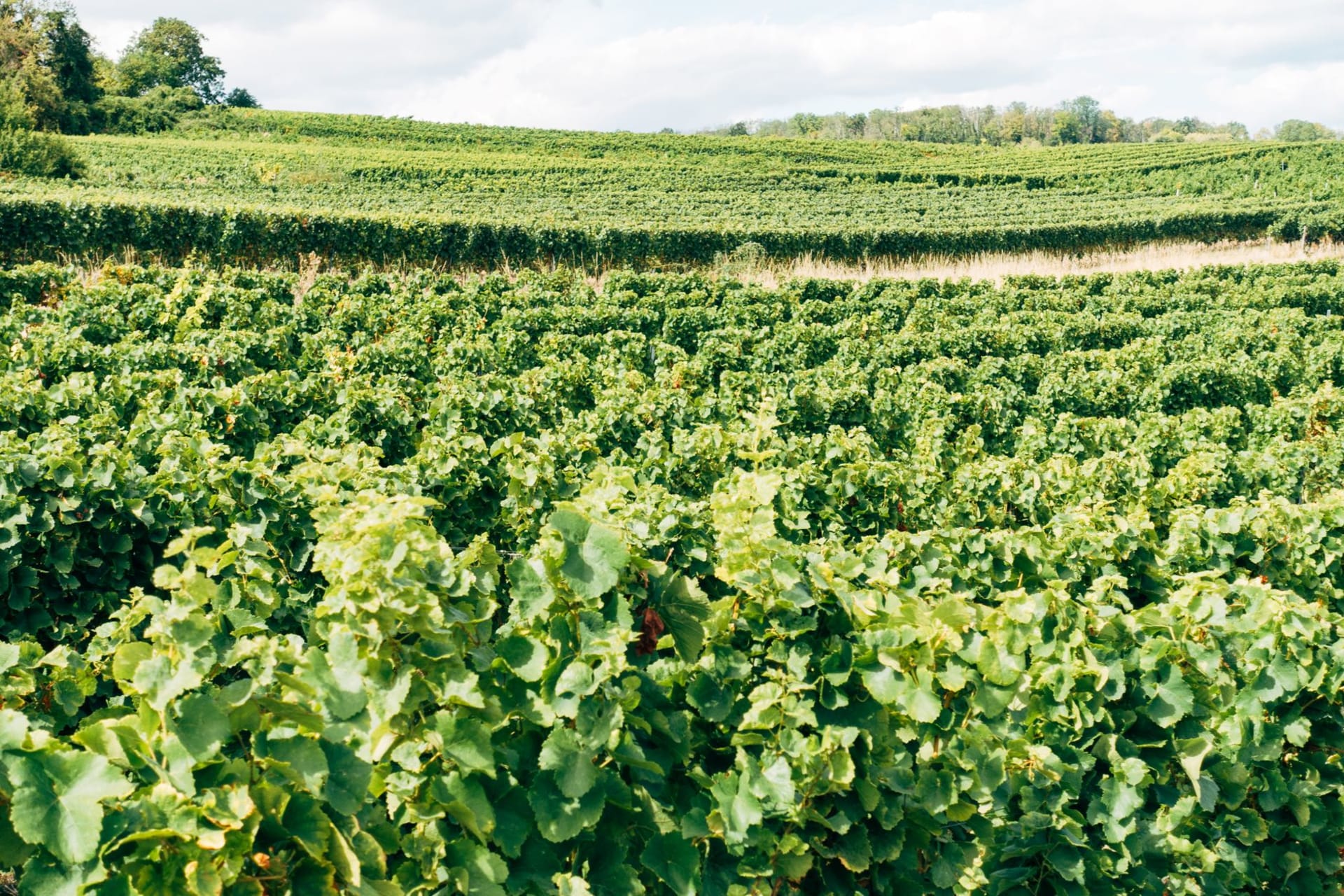
Vallée de la Marne
"Nobody talks about the Marne valley the way they talk about the grand houses. That's exactly why I kept coming back."
The Marne river runs west through the heart of Champagne like a crease in a folded map, the vine-covered slopes rising steeply on both banks, the water itself greenish-brown and unhurried. A canal runs parallel to the river for much of its course, and on a June morning I drove alongside it for two hours without stopping except once, when a barge flying a Dutch flag was working through a lock and I got out to watch. The lock-keeper, a woman in her sixties with soil on her boots, waved at me with the practiced friendliness of someone accustomed to being observed by tourists and entirely unbothered by it. The barge carried no visible cargo. The whole scene had the quality of a landscape that has been watched for centuries and has decided simply to continue being itself.
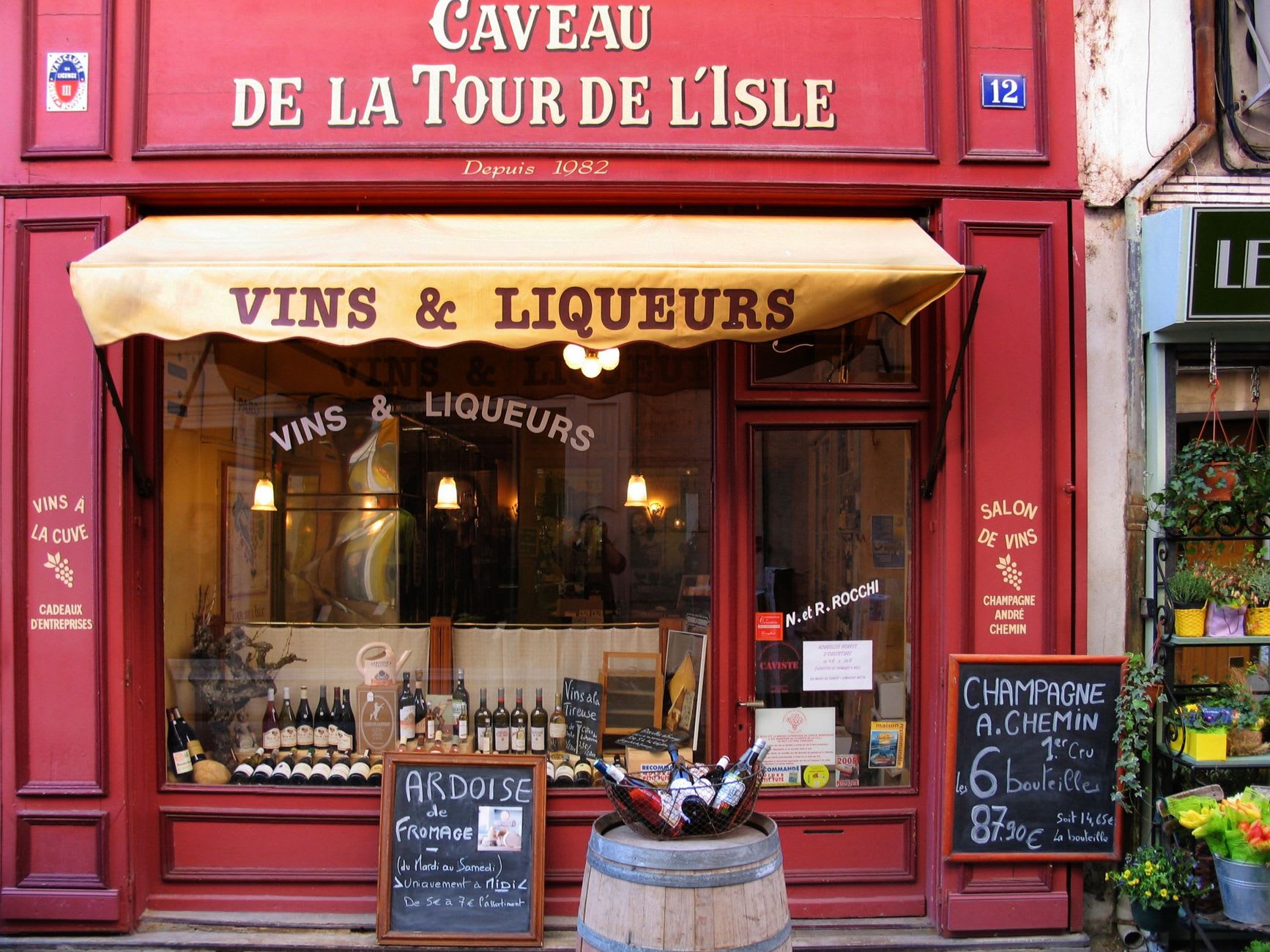
This is Pinot Meunier country. The third and most underrated grape of Champagne — behind Chardonnay and Pinot Noir in prestige, though not necessarily in importance — Pinot Meunier grows here on the clay and chalk soils of the valley slopes, its thick skin able to withstand the morning frosts that roll down from the plateau and pool in the low ground near the river. The variety has been looked down upon by the grandes maisons for decades, considered a blending grape rather than a star, but the small growers along the Marne have always known better. I stopped at three of them: a winemaker in Cumières making a remarkable still rouge with spicy Meunier fruit; a young couple in Vincelles who’d converted to biodynamic farming and whose Champagne tasted like chalk dissolved in apple juice; and an older vigneron in Damery who poured from an unlabeled bottle and described its contents as “what the hill does when it’s in a good mood.”
The villages along the river have the slightly scruffy authenticity of places that have never been on anyone’s tourist itinerary. Cumières has a marina where river cruise boats stop briefly and then continue west. Dormans has a war memorial — an elaborate 1920s ossuary chapel in the hills above the town — that is visited mostly by French school groups and which puts the whole pleasure-garden aspect of wine country into uncomfortable and appropriate context. The Marne was a front line twice in twenty years. The vines were shelled and burned and replanted. The villages were rebuilt from foundations. Champagne’s effervescence floats on a very specific history.
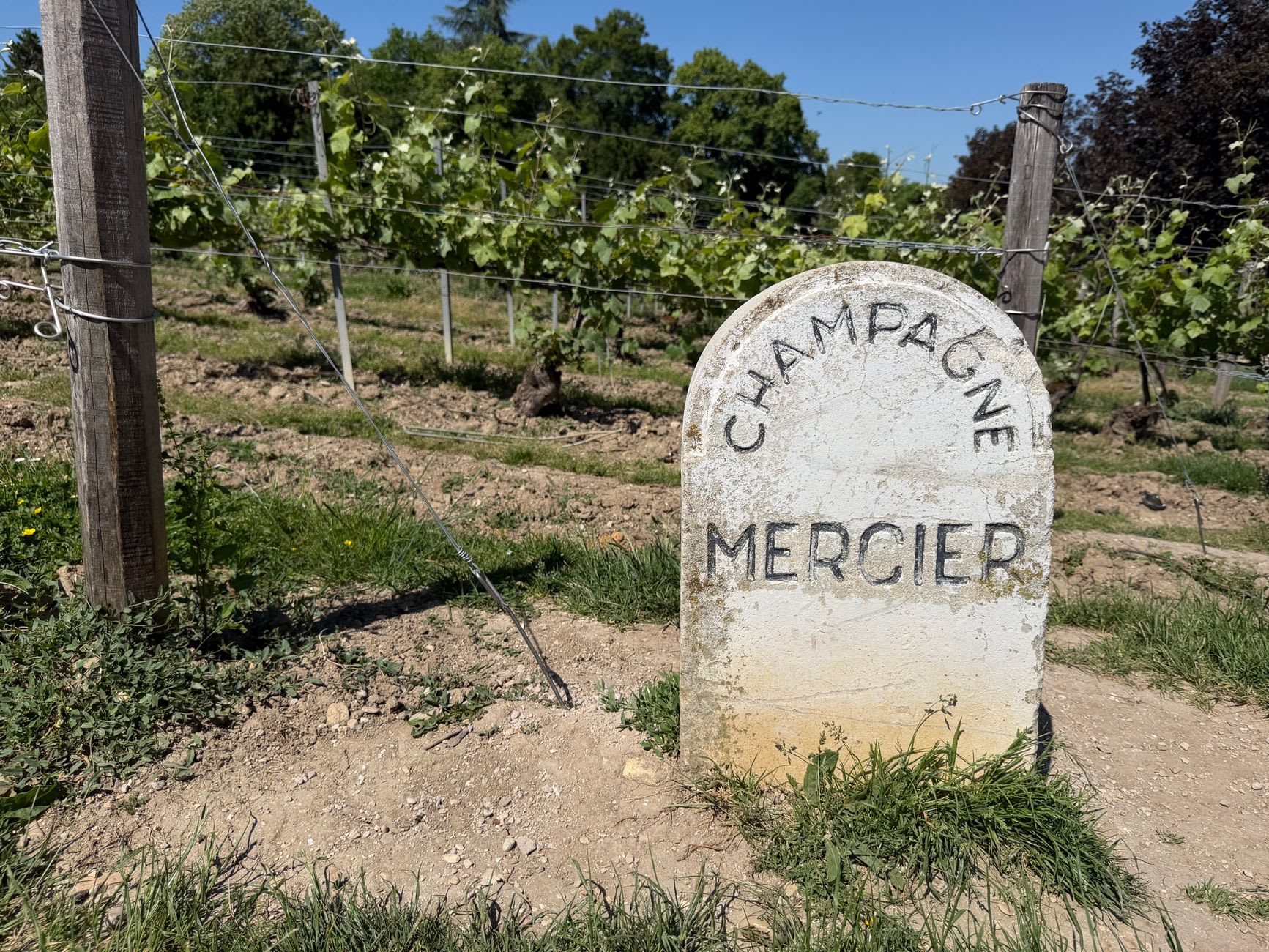
There is a cycling route that runs along the old canal towpath from Épernay west toward Château-Thierry — flat, tree-shaded, occasionally interrupted by a lock or a fishing spot — and on a long summer evening it is about as peaceful a way to pass time as I’ve found in France. You can carry a bottle and nobody will say anything. You probably should.
When to go: Late spring — May through June — for the canal cycling and the new-vine green on the slopes. October harvest is beautiful anywhere in Champagne but particularly along the Marne, where the valley morning mists make for slow, atmospheric mornings. The Dormans war memorial deserves a quiet weekday visit rather than a weekend.