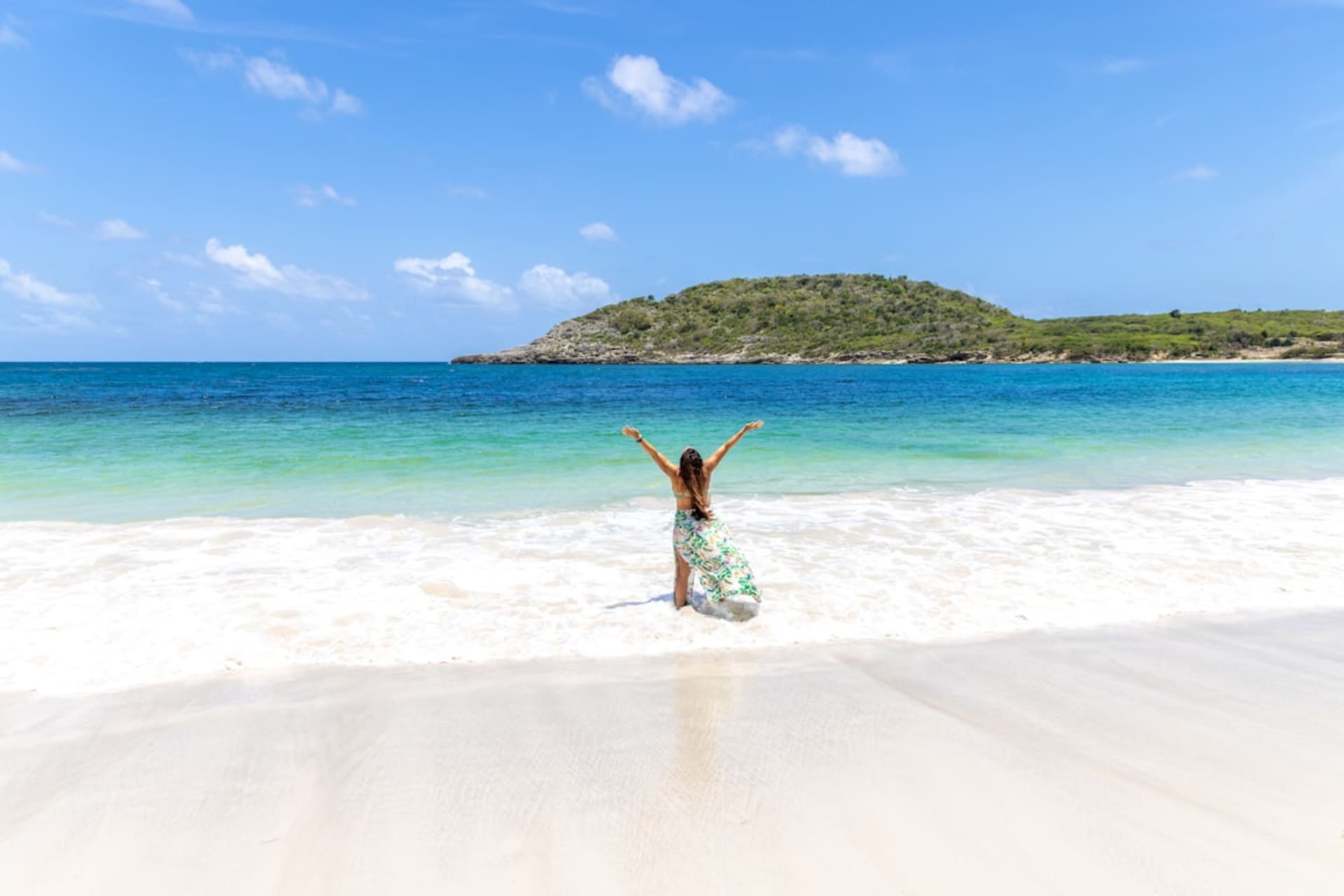
Kỳ Co Beach
"Lia looked at the water and said it wasn't supposed to be that color. It was."
A turquoise cove of granite boulders near Quy Nhơn, reached by boat or a cliffside road cut through the hills.
We almost skipped Quy Nhơn. It wasn’t on the well-worn Hanoi-to-Saigon spine that most travelers stitch together, and I’ll admit part of me assumed that meant there wasn’t much to see. Then a guy running our homestay in town pulled out his phone and showed me a photo of a cove he called “Vietnam’s Maldives,” and I laughed, because that’s the kind of nickname that usually oversells a beach by a mile. We booked the boat out to Kỳ Co the next morning anyway, mostly out of curiosity.
The ride from Hải Minh fishing port took about half an hour, engine grinding, spray coming up over the bow, and Lia holding her hat down the whole way. Then we rounded a headland and the water just changed. It went from the murky green-brown of the harbor to this genuinely startling turquoise, clear enough that I could see the boat’s shadow sliding over the sand ten meters down. Granite boulders, rounded and pale, sat scattered along the shoreline like something had poured them there. I stopped doubting the nickname pretty quickly.
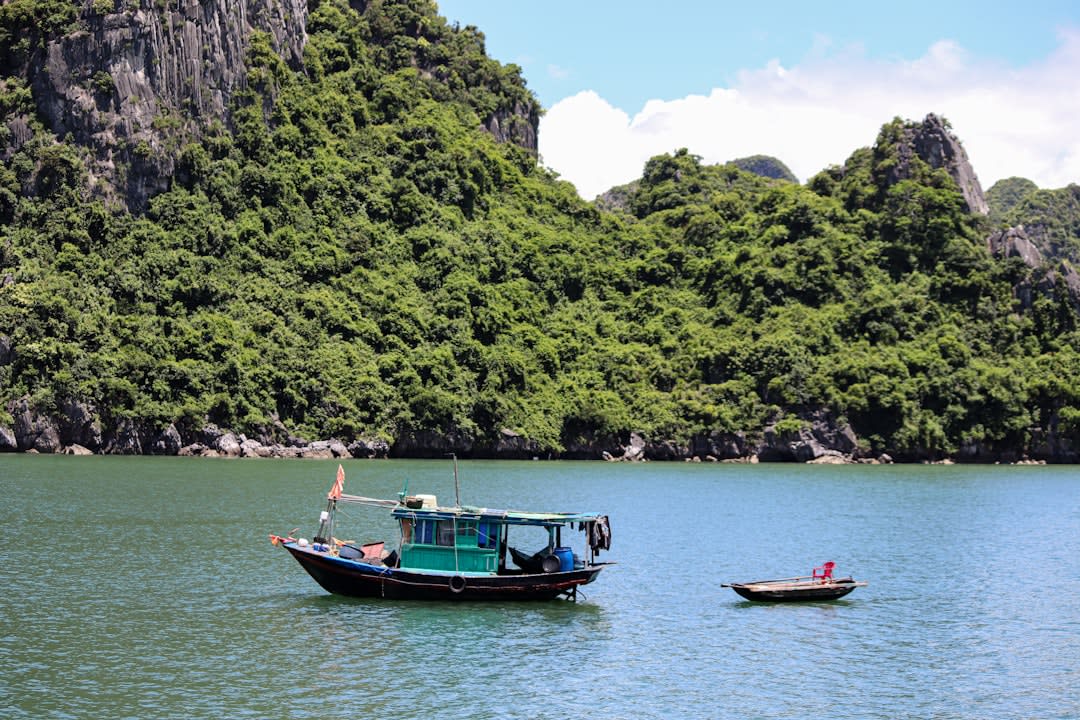
We spent the day doing very little, which is exactly what the place asks of you. I swam out past the boulders and floated on my back for what felt like an hour, watching fishing boats work the horizon. Lia found a flat rock warm enough to nap on and didn’t move for most of the afternoon. Later we hiked up to Eo Gió, the narrow headland nearby that everyone calls Wind Pass, and stood there getting genuinely windswept while looking back down at the cove we’d just left — it’s a different kind of beautiful from above, all sharp inlets and that same impossible blue.
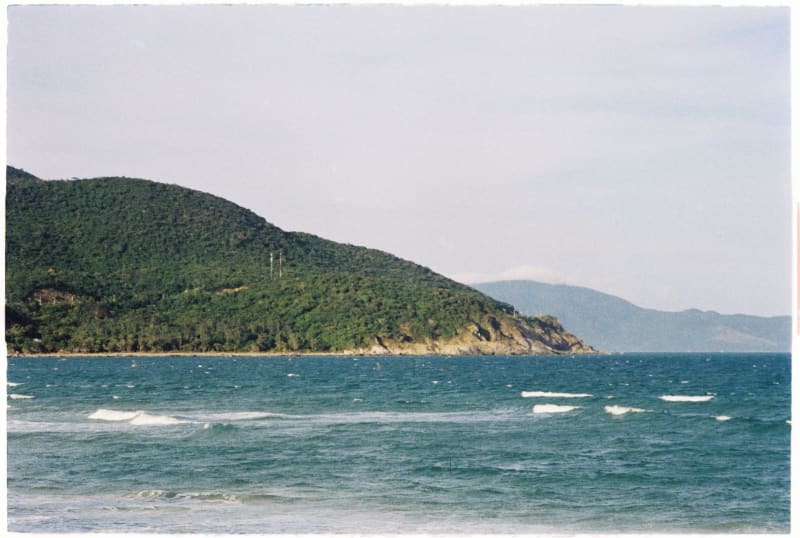
On the boat back, our guide mentioned, almost as an aside, that Bình Định is where a lot of Vietnam’s martial arts traditions trace their roots, back to the Tây Sơn dynasty. It stuck with me — this whole province holding both that fierce, disciplined history and a beach this soft and forgiving, like two completely different registers of the same place. I keep thinking about how close we came to not bothering with Quy Nhơn at all.
When to go: aim for March through August — the dry season keeps the water at its clearest and means the boats can actually get you there without a rough crossing.
Keep exploring
More from Central Vietnam
 central-vietnam
 Lăng Cô
A lagoon town pinched between the Hải Vân mountains and the South China Sea that most travellers pass at speed and later regret.
Explore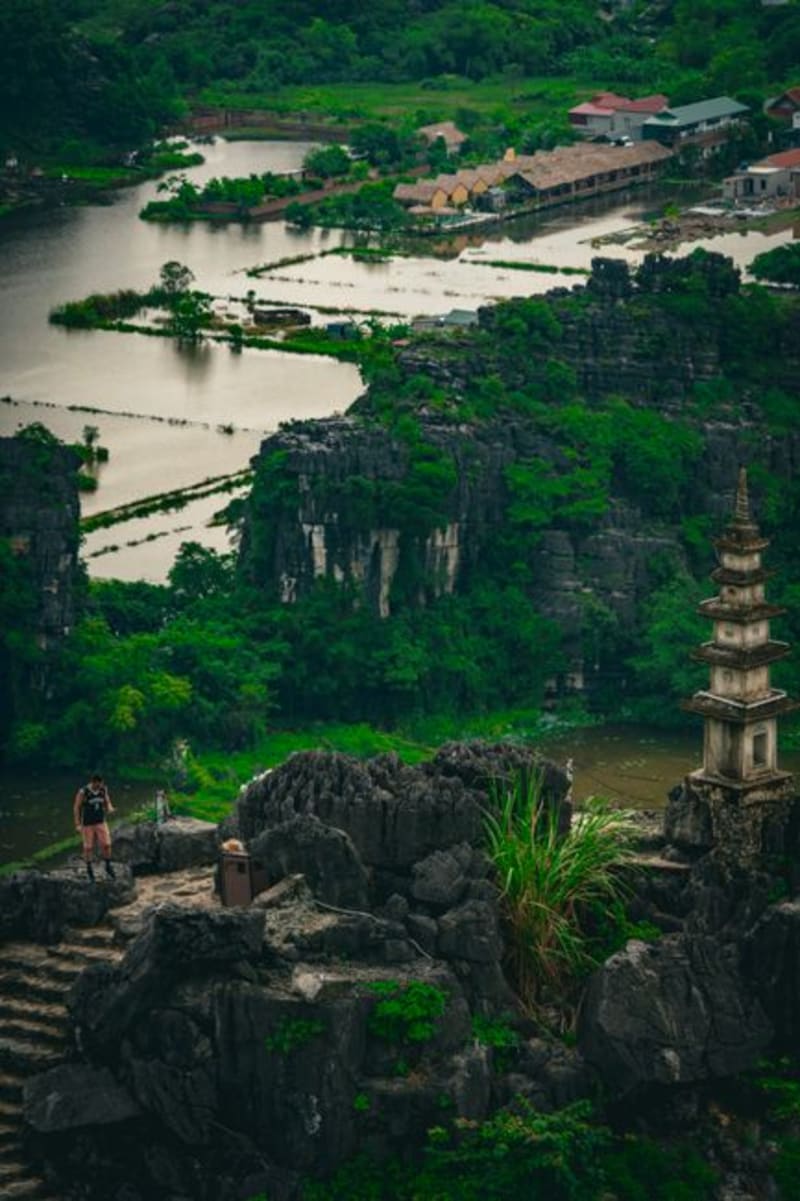 central-vietnam
 Marble Mountains (Ngũ Hành Sơn)
Five limestone peaks named for the elements, riddled with cave shrines and ringed by a marble-carving village that's worked the stone for centuries.
Explore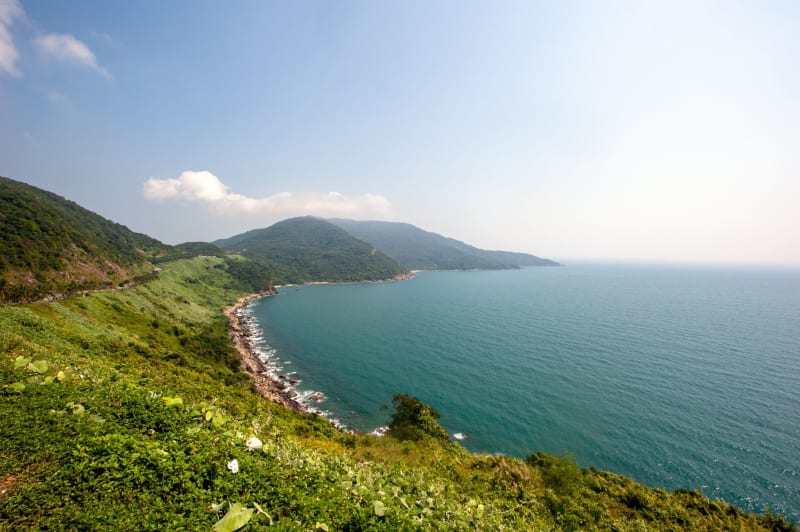 central-vietnam
 Mỹ Sơn
Cham Hindu temple ruins reclaimed by jungle that most visitors blow past on the way to somewhere more famous.
Explore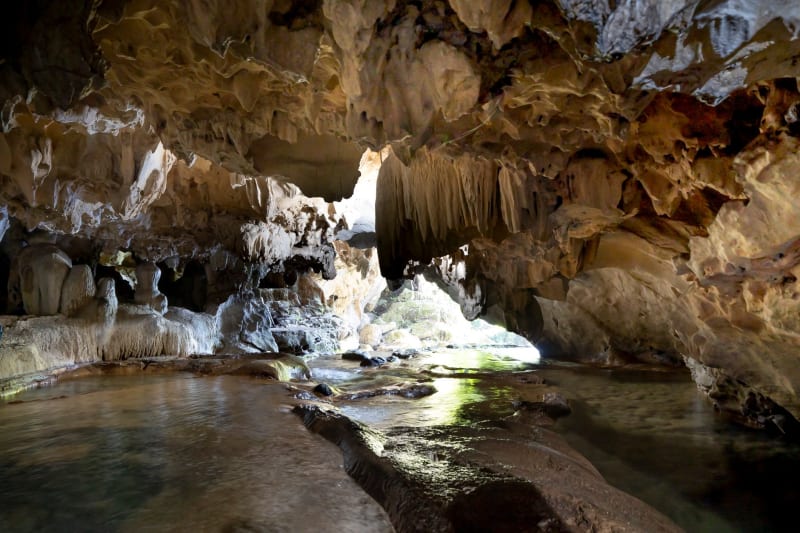 central-vietnam
 Phong Nha
A cave system so vast that clouds form inside it, in a karst landscape that makes the surface world feel like a temporary arrangement.
Explore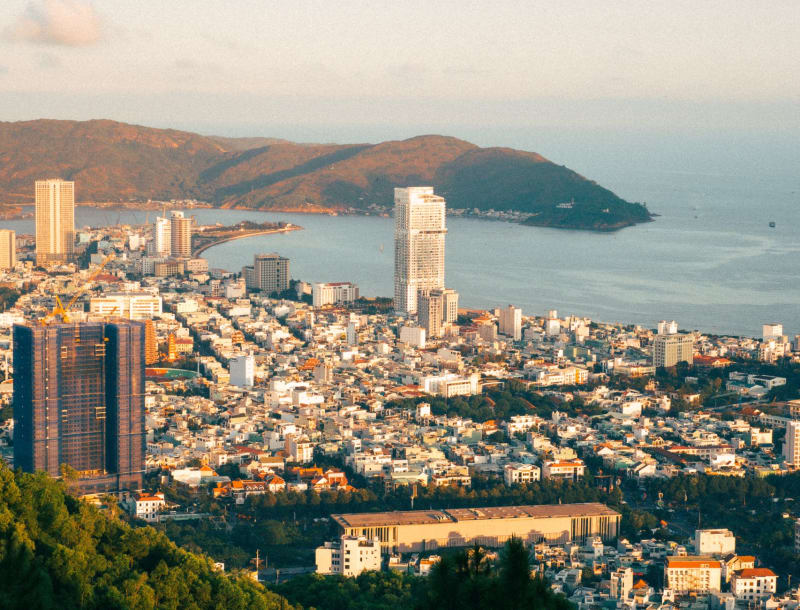 central-vietnam
 Quy Nhơn
A working fishing city on the south-central coast that skipped the tourist circuit and kept all the best seafood for itself.
Explore central-vietnam
 Ba Na Hills
A French colonial hill station turned surreal mountaintop theme park above Da Nang, home to the famous Golden Bridge held up by two enormous stone hands.
Explore