Pichilemu
"Punta de Lobos doesn't care if you can surf. It cares if you can pay attention."
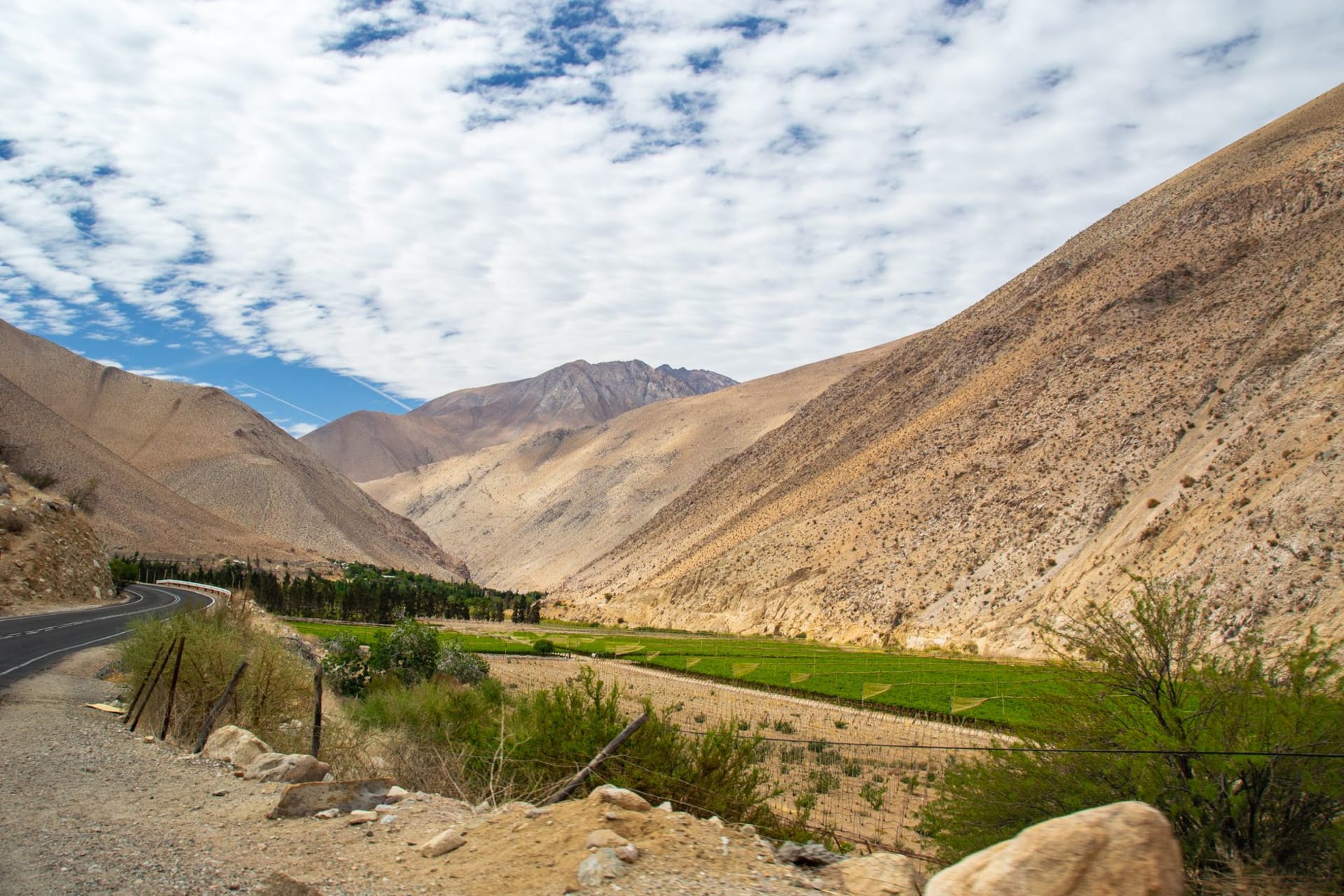
I arrived at Pichilemu from Santa Cruz on a local bus that took two hours and passed through agricultural towns so quiet they seemed to be rehearsing for something. The road crossed the coastal range via a pass between dry hills where the vegetation changed from the irrigated green of the wine valley to the scrubby drought-adapted grey of the Pacific slopes, and then descended into a different climate entirely — damp, salt-sharp, the air carrying the particular cold that the Humboldt Current pushes up from the south. By the time the bus deposited me at the terminal, I was already pulling out my fleece.
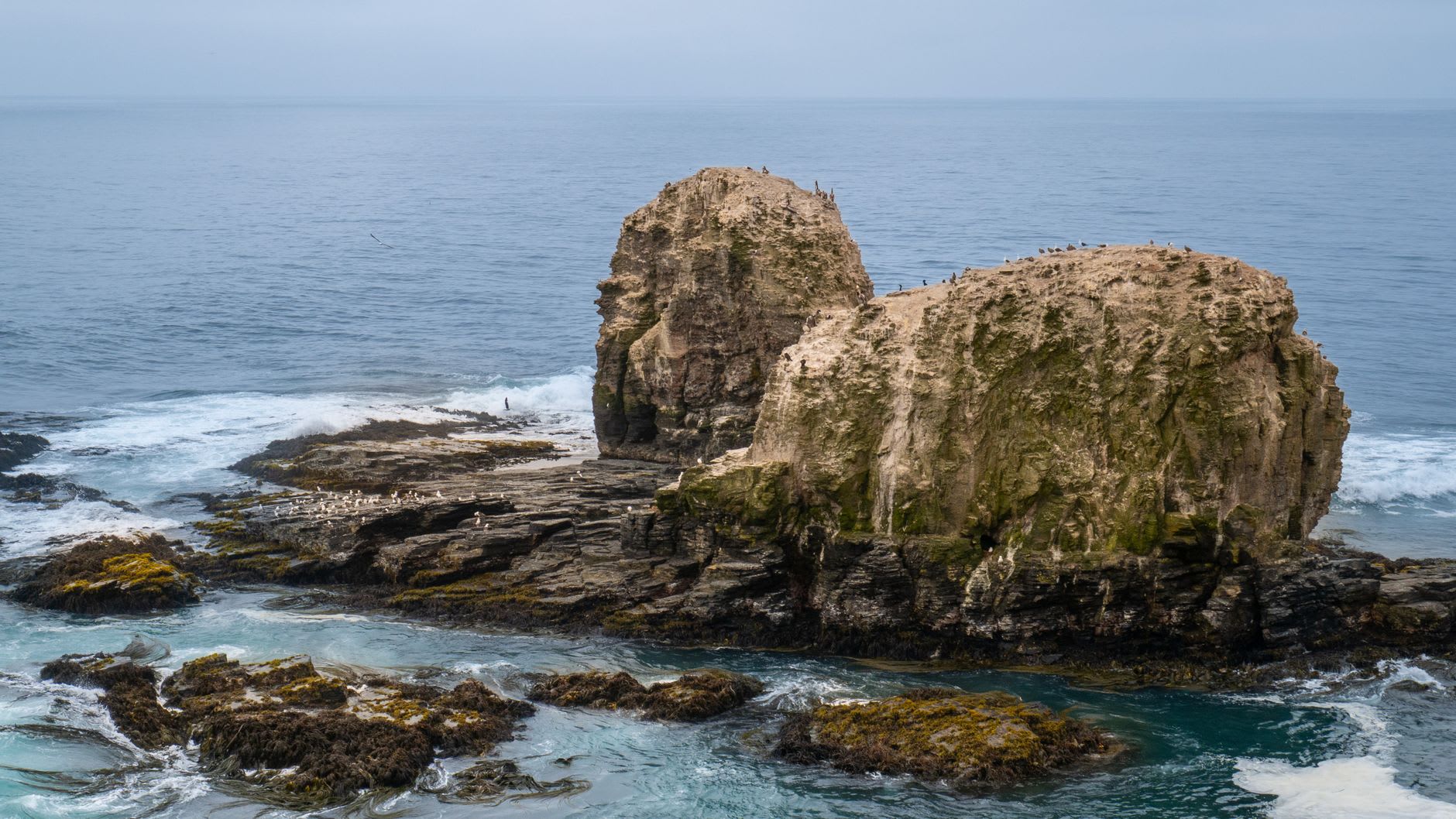
Pichilemu is a surf town that became one by accident and then by reputation. The point break at Punta de Lobos, four kilometers south of the town center, is classified among the most consistent left-hand breaks in the world — a wave that can run for three hundred meters on its best days, hollow and organized, attracting competitors who arrive in camper vans from Santiago and board-bags from Brazil and Peru. The day I walked out to the point, the wave was running maybe two meters, clean lines coming from the southwest, and a dozen surfers were working the drop in rotation. I sat on the headland rocks and watched for an hour, eating a mediocre cheese sandwich and a very good mandarin I’d bought from a stall in town, and I didn’t need to surf to understand what was happening below: something requiring discipline and patience and willingness to fail publicly in front of strangers.
The town itself is worn and slightly faded in the way of Chilean resort towns that had their heyday in the 1920s and never fully updated their expectations. The casino, one of the oldest in Chile, sits in a deteriorating Victorian building that looks like it belongs in a different continent. The main street runs with surf shops and empanada places and one very good coffee roaster whose owner had studied in Melbourne and come back with strong opinions about extraction. The promenade along the beach is long and largely empty in the week I visited, populated mainly by dogs and a few elderly men walking with their hands behind their backs.
What redeemed everything was the food, and specifically a restaurant two blocks from the casino called something I can no longer remember where I ate the best congrio colorado of my trip — the conger eel cooked in a clay pot with tomatoes and onion and white wine, arriving at the table still bubbling, the flesh yielding and sweet in a way that nothing inland can quite replicate. I ate it with bread and the house carmenère, which cost three hundred Chilean pesos a glass and was perfectly adequate, and I sat there until the restaurant emptied around me.
The beaches north of town — Playa Principal and La Puntilla — are calmer than Punta de Lobos, the waves more forgiving, and on weekends they fill with families from Rancagua and the O’Higgins region who come to swim and set up barbecues and let their children run at the water. It is a different kind of coastal culture than the international surf circuit at the point, more Chilean, more domestic, and in some ways more interesting.
When to go: For surfing, April through September delivers the most consistent and powerful swells. For warmer weather and swimming, December through February brings sunshine and crowded weekends. The town is genuinely quiet in the week and I preferred it that way — the wave at Punta de Lobos runs regardless of season.