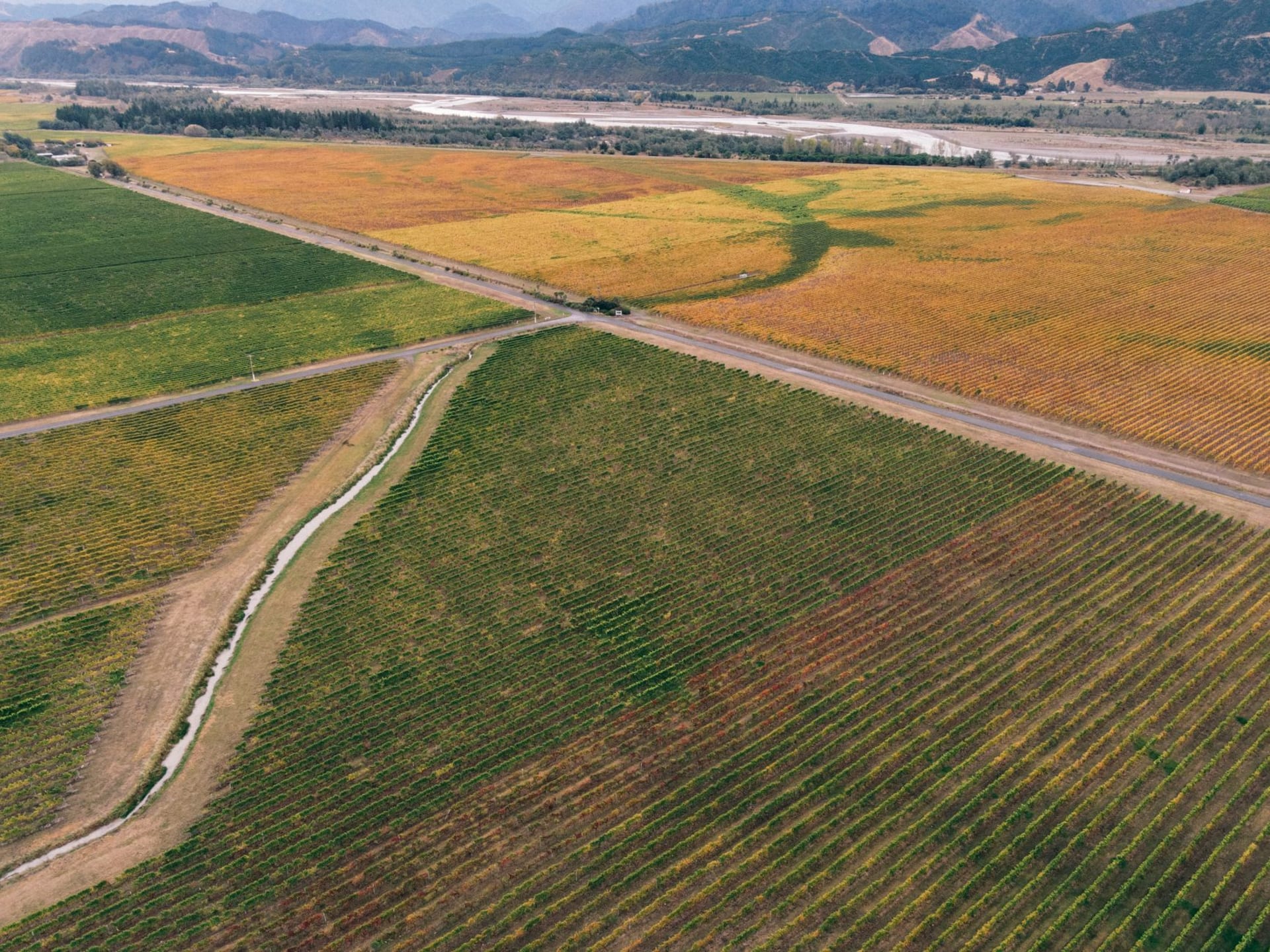
Maule Valley
"These vines were old when Chile was still deciding what to call itself."
I found the País vines by accident, which is probably the only honest way to find them. I’d taken the wrong turn off the Panamericana south of Talca, heading toward the foothills on a road that became gravel without warning, and twenty minutes in I was looking at a vineyard like nothing I’d seen in Colchagua or Maipo: low, gnarled, head-trained vines with no trellis, no drip irrigation, planted directly in cracked red clay and spaced wide enough to drive a horse between the rows. A man in a straw hat was walking among them with a knife, removing dead wood. I pulled over and asked him what grape it was.
“País,” he said. “Planted by my grandfather’s grandfather.”
País — also known as Mission in California, Criolla Chica in Argentina, Listán Prieto in the Canaries — arrived in Chile with the Spanish missionaries in the sixteenth century and was the dominant Chilean grape for four hundred years until the French varieties arrived and displaced it in the export market. In the Maule Valley it survived because the small farmers here couldn’t afford to replant, and what was once regarded as inferior country wine is now the subject of significant international attention from winemakers who understand that three-hundred-year-old dry-farmed vines produce something that cannot be manufactured or replicated. The man with the knife knew this. He’d had calls from importers in New York and London. He seemed mildly entertained by the situation.
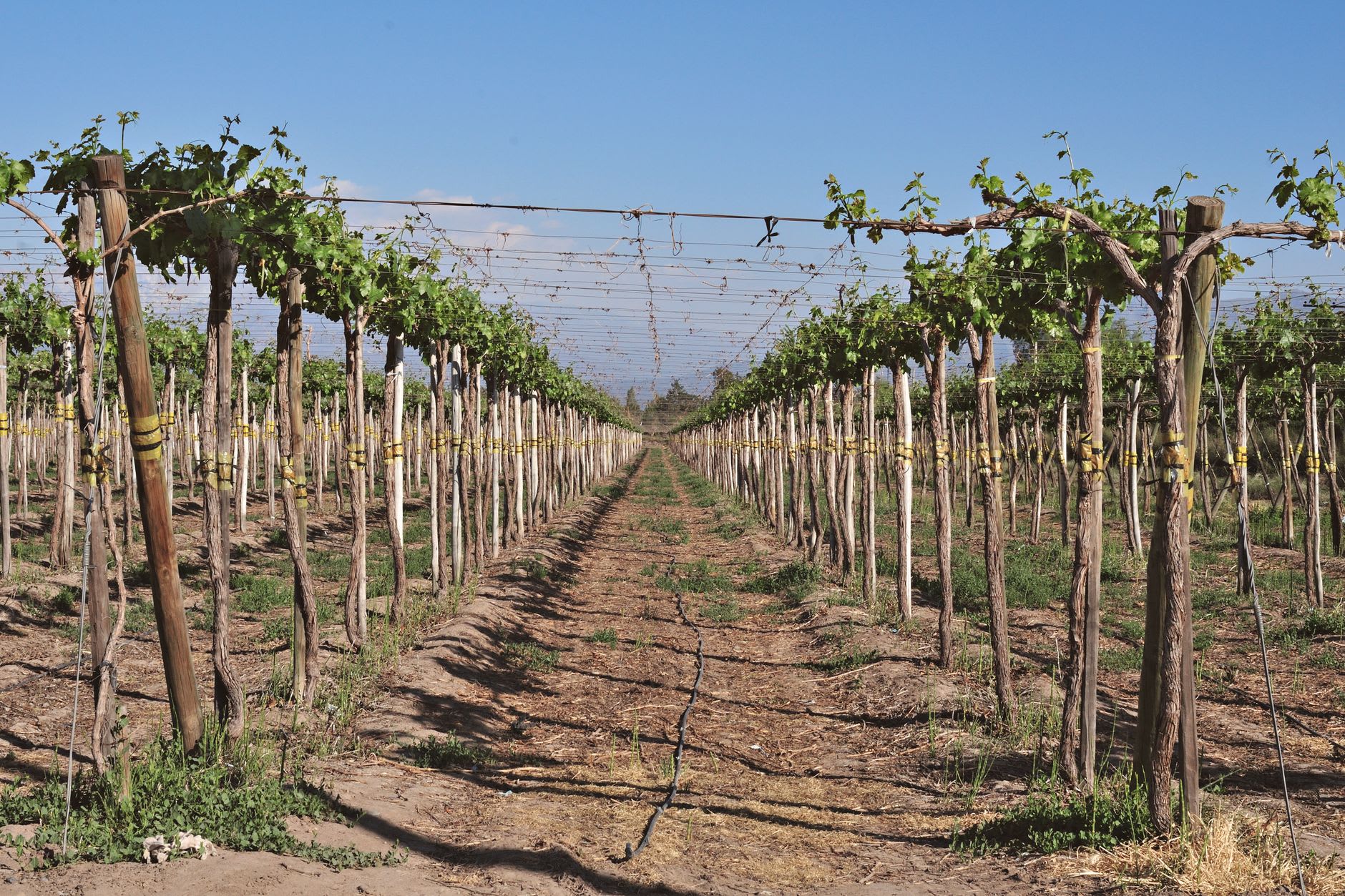
The Maule Valley is broader and flatter than Colchagua, the landscape less theatrical but more varied — rice paddies appear in the lower flood plain near the river, olive groves interrupt the vine rows, and small towns like San Clemente and Pencahue maintain an agricultural character that the more polished wine valleys to the north have mostly traded away. Cauquenes, in the coastal sub-zone, is where some of the most interesting small producers work — Gillmore, Bouchon, and the cooperative of old-vine growers assembled by the natural wine movement under the Movi umbrella, who are making País and Cinsault with the same reverence that Burgundians give to century-old Pinot.
I tasted my way through three of these producers on a self-guided afternoon, stopping at cellar doors that ranged from fully fitted tasting rooms to a garage with a folding table. At one of the garages — I wrote down the name and have since lost the paper — a winemaker named Rodrigo poured me a Cinsault from a barrel that was two months from bottling, still cloudy, with the kind of fresh acidity that makes you immediately recalibrate what red wine is supposed to taste like. He was working alone that day, wearing rubber boots, not waiting for visitors. He seemed genuinely surprised that I’d found the place.

The valley’s food culture is rooted in the campesino tradition more than any other part of the Central Valley. At a roadside parador south of Pencahue, I ate a cazuela de ave — the chicken version, slower and more complex than the beef, with potato and rice and a piece of corn on the cob that had clearly been growing a week ago. The bread came wrapped in a cloth. The olive oil on the table was local, from trees visible through the window. Pebre arrived without being requested. This is the register the Maule operates in: an assumption of hospitality, an absence of performance.
When to go: March and April for harvest and the particular smell of fermenting País that fills the air in the foothills — something between red berries and autumn leaves and something earthier underneath. October through December for active vine growth and cool driving temperatures. The Maule’s producers are open by appointment and often in person — call ahead, or simply knock.