Maipo Valley
"The Andes are right there, permanent and enormous, and the vines grow toward them like they know something."
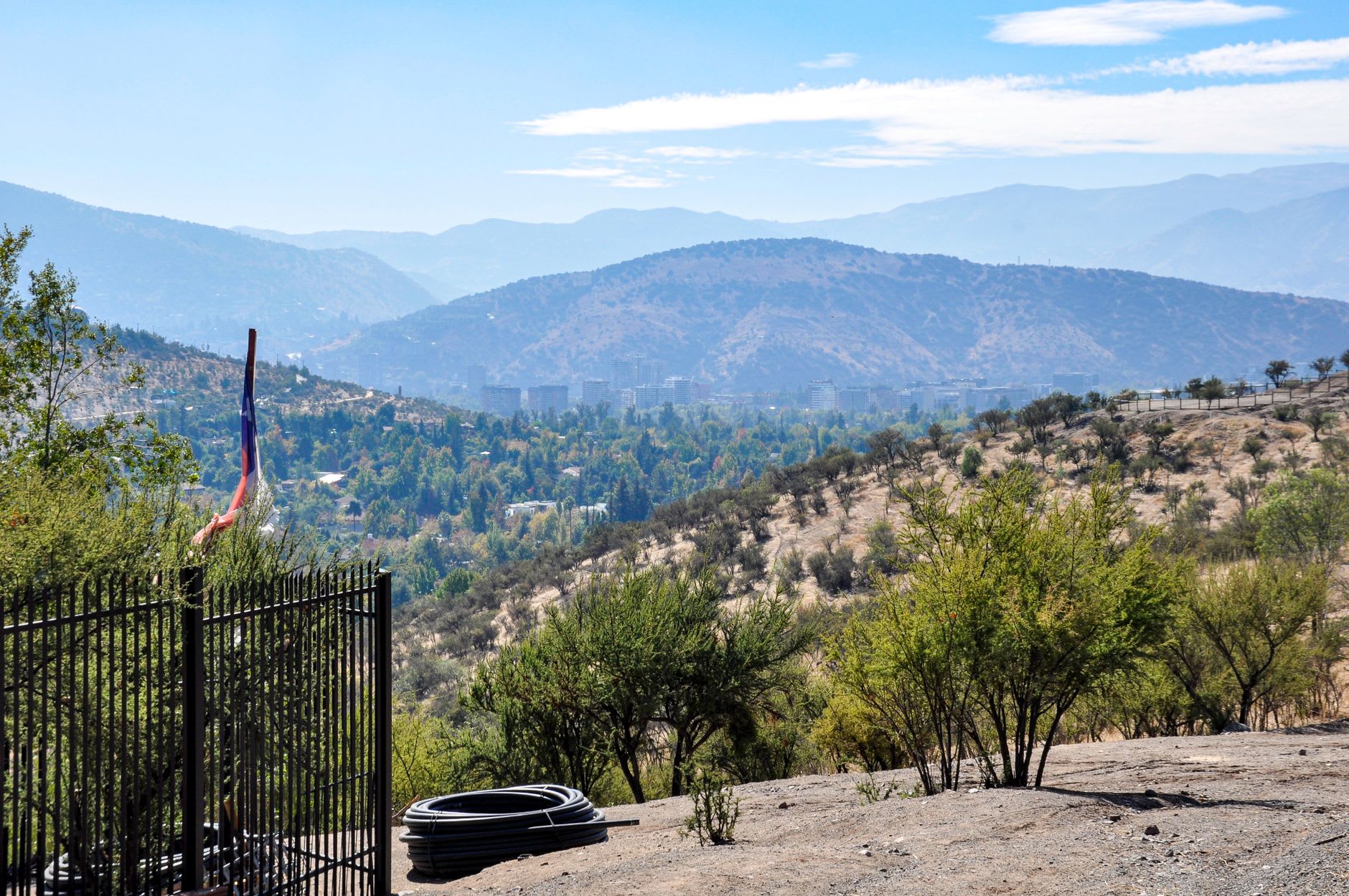
The thing about the Maipo Valley is that it begins almost before Santiago ends. You take the metro south to Buin or the Metrobus to Isla de Maipo, and within twenty minutes of the city’s southern edge you’re in vineyard territory — rows of Cabernet running right up against the suburban sprawl, the Andes appearing overhead with a clarity that the smog of the capital usually conceals. I’d been in Santiago for three days feeling trapped by altitude and traffic, and the morning I took that bus south, the relief was physical. The air changed. The light opened. The mountains came forward.
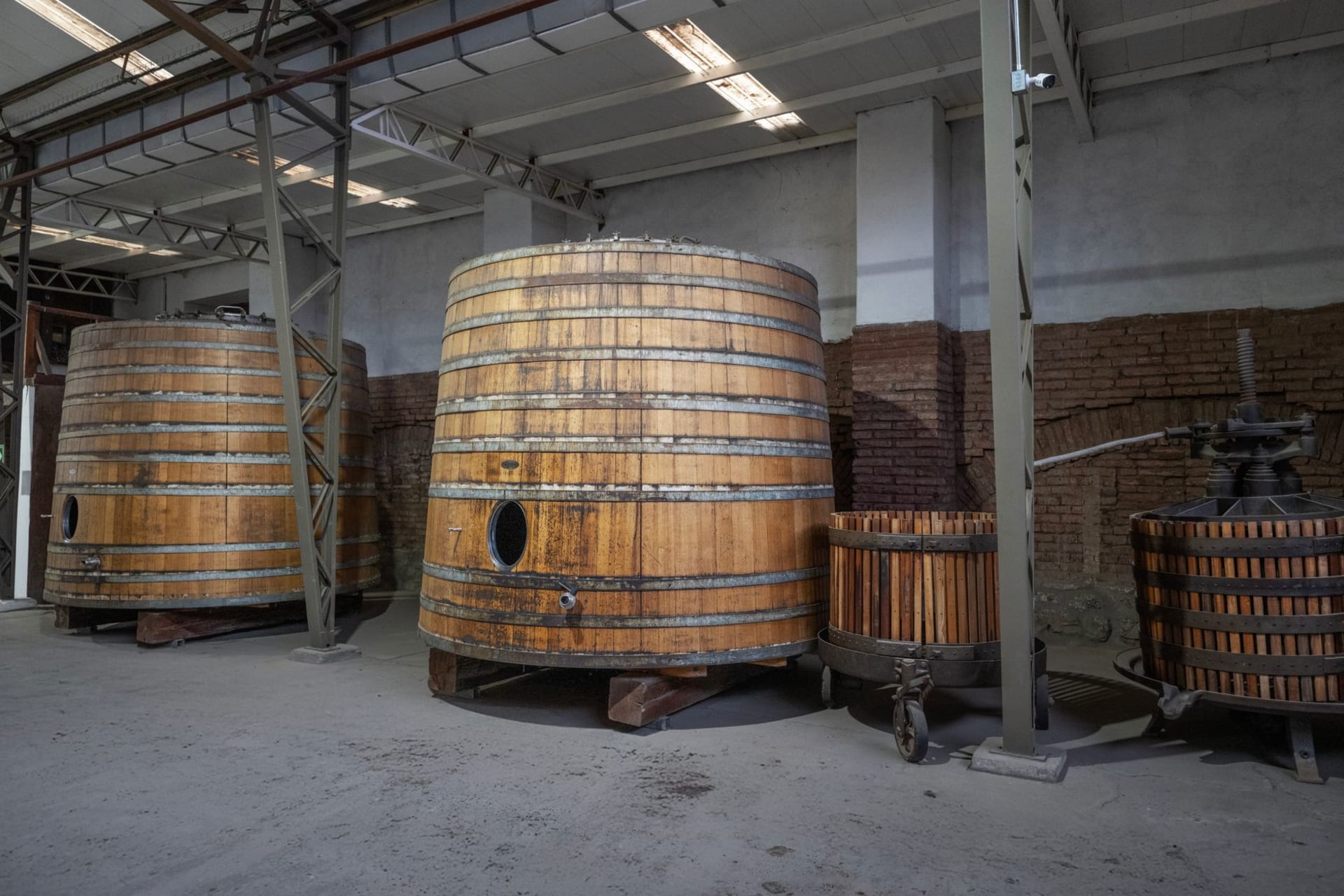
Maipo is the oldest wine region in Chile and the one international buyers encountered first, which is partly why Chilean wine built its early reputation on Cabernet Sauvignon rather than Carménère. The soils here — alluvial, gravelly, well-drained — suit Cabernet in a way that produces wines with more freshness than their Argentine counterparts to the east, the altitude and the cold Andean nights keeping the acid alive through the warmth of the growing season. I visited Concha y Toro, the obvious first stop and the largest winery in Latin America, not expecting much and finding something genuinely impressive: the Don Melchor block, cordoned off from tourists in the Casa Marín section, the old drip-irrigation channels still visible between rows, and a cellar that smelled of the particular combination of wood and wine that only comes from a century of continuous use.
But the Maipo I preferred was the version I found by walking away from the organized estates. The village of Buin sits at the valley’s northern edge, unremarkable in most ways, but it has a weekend market where women sell homemade empanadas from trestles set up in the church square, and the chicha — fermented grape juice, barely alcoholic, almost sweet — costs almost nothing and tastes like something that belongs to an older Chile than the one that exports wine to London. I drank two cups standing at a trestle and then ate a sopaipilla with pebre, the flat fried pumpkin bread that appears at every roadside stop in the Central Valley. It was the best thing I ate in Maipo.
The landscape is less dramatic than Colchagua — flatter, more agricultural, the Andes enormous but somehow held at a distance by the scale of the plain. What it offers instead is density and texture: fruit orchards between the vineyards, horse paddocks behind the winery gates, roadside stands selling bottles of oil and bags of dried herbs. Biking the route between Buin and Talagante on a Thursday morning, I passed more trucks than tourists, and the trucks were carrying table grapes to cold storage facilities, and nobody was performing anything for anyone’s benefit.

The wineries worth seeking beyond Concha y Toro include Cousiño-Macul, whose grounds in Peñalolén technically lie within Santiago’s eastern expansion but whose old-vine Cabernets read entirely as Maipo, and Antiyal, a biodynamic operation run by Alvaro Espinoza that is small enough to feel personal and serious enough to demand attention. Espinoza was one of the winemakers who first understood what Maipo’s gravelly subsoils could do if worked carefully, and his bottles carry that conviction.
When to go: The valley is reachable year-round from Santiago, making it practical for any season. Harvest in March brings activity and open cellar doors. October through December offers cooler temperatures and green vines. Weekday visits mean fewer tour groups and more honest conversation with the winemakers.