Lago Vichuquén
"The lake is so still some mornings that the reflection is more convincing than the original."
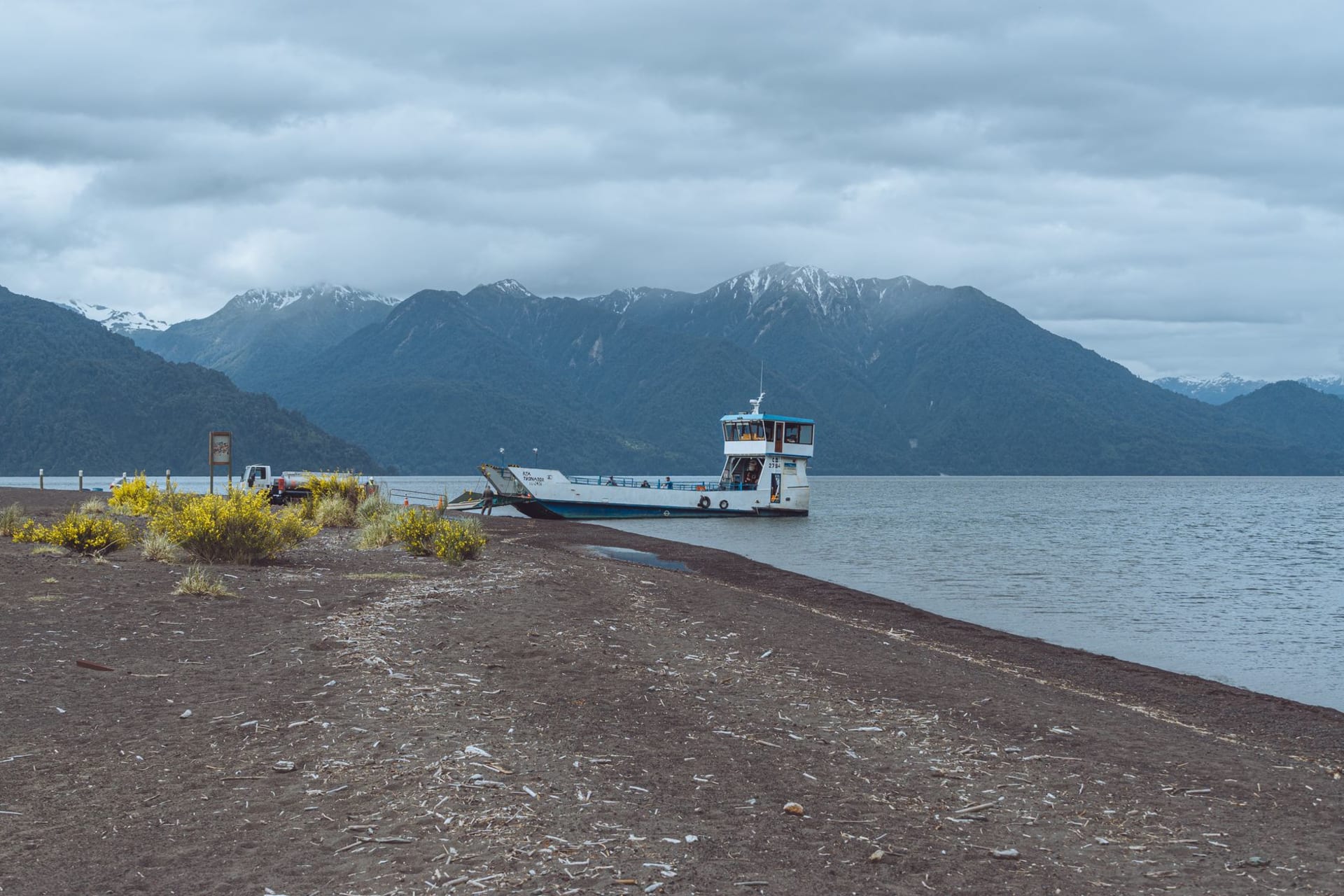
Lago Vichuquén appeared around a bend in the coastal road and I made the driver stop — literally called up to the front of the minibus and asked him to pull over, which he did without complaint, the way Chilean bus drivers often accept sudden requests from passengers behaving like tourists in their own country. The lake was below the road, separated from it by a pine-covered slope, and in the morning light it was the color of polished steel, perfectly still, with a ring of forested hills reflected in it so cleanly that the boundary between water and air had temporarily retired.
The lake sits fifteen kilometers inland from the Pacific, in the coastal range west of Curicó, connected to the sea by the Río Mataquito and close enough to the coast that the mornings carry fog and the evenings carry a salt-edged chill even in summer. It is a lake that functions primarily as a place of escape for Chilean families from the O’Higgins and Maule regions — private cabañas line the eastern shore, small sailboats sit moored at the landing, and on weekends in January the population of the nearby village of Llico doubles and the sound of outboard motors replaces the silence. I came in November, which is before the Chilean summer rush, and found the lake almost entirely to myself.
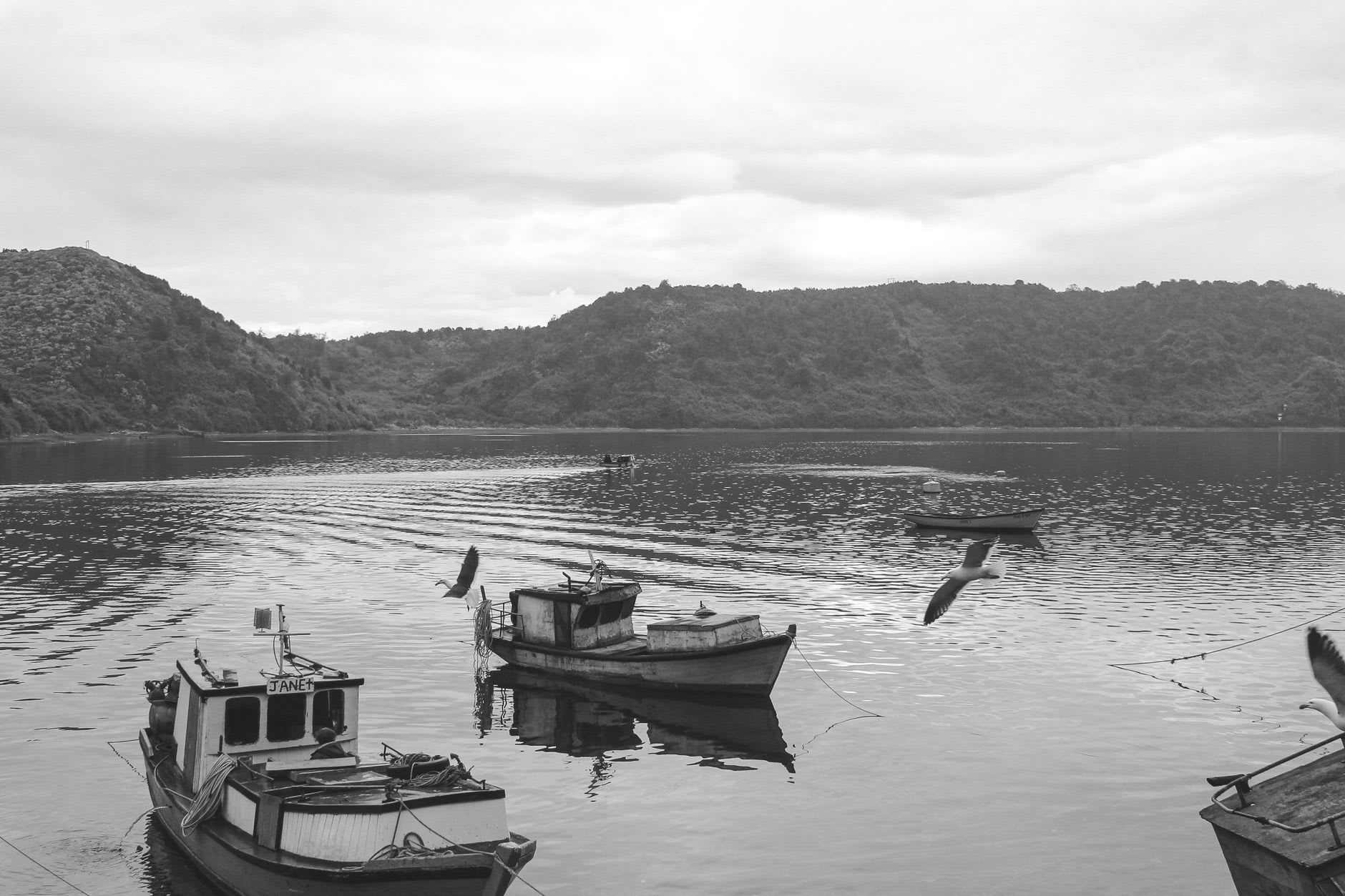
The village of Vichuquén itself is a kilometer from the shore, up a slope through eucalyptus trees that were planted by a logging company in the 1970s and have since become the landscape’s default character. It is one of those Chilean villages that might look abandoned from the outside — shuttered windows, a locked church, a plaza with more cats than people on a Tuesday — but generates the feeling, when you sit in it long enough, of a place simply between chapters of its own story. I found a hospedaje run by a woman named Graciela who served me dinner without a menu, the meal consisting of whatever she had determined I should eat: cazuela, bread, a salad of tomato and onion, and a glass of house wine so cold it fogged the glass.
The pelicans arrive at the lake in mid-morning when the mist lifts and the surface warms slightly, and they fish with the methodical patience of professionals who are not performing for anyone. I watched three of them from a rented kayak for an hour, paddling slowly enough not to disturb the mirror, and the feeling was one of the particular pleasure of witnessing something that would happen exactly the same way whether I was there or not. A kingfisher worked the shoreline reeds. A pair of coots argued over territorial rights. The pine trees reflected back impeccably.
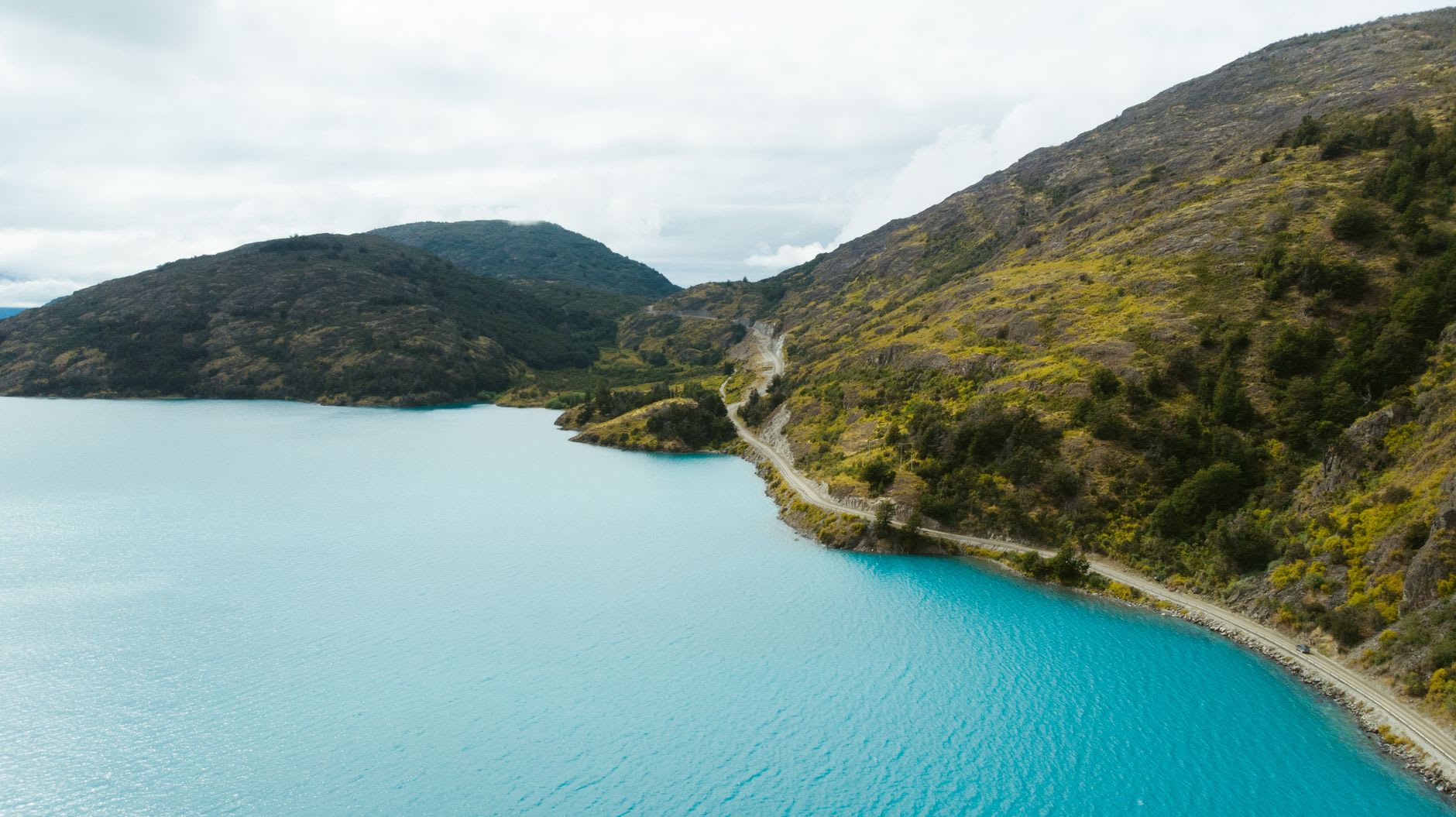
The road from the lake west to Llico and the Pacific takes twenty minutes and arrives at a beach that is the thermal opposite of the lake — cold surf, grey sand, a wind that arrives from Patagonia and doesn’t slow down for the coastline. The contrast between the still inland lake and the exposed Pacific coast, reachable in the same afternoon, gives Vichuquén a layered quality that I find rare in Chilean geography. Most coastal-region escapes offer one register. This offers two.
When to go: November and early December before the Chilean summer rush, when the lake is quiet and the weather is mild. October is cooler but beautiful, the pines catching low light well. Avoid January and February — the cabañas book out months in advance and the lake loses its contemplative quality entirely under the weekend crowd.