Carnot
"Every conversation in Carnot eventually turns to diamonds, coffee, or both at once."
A red-earth coffee town in the southwest where colonial-era plantations have gone half-wild and artisanal diamond diggers still work the riverbeds by hand.
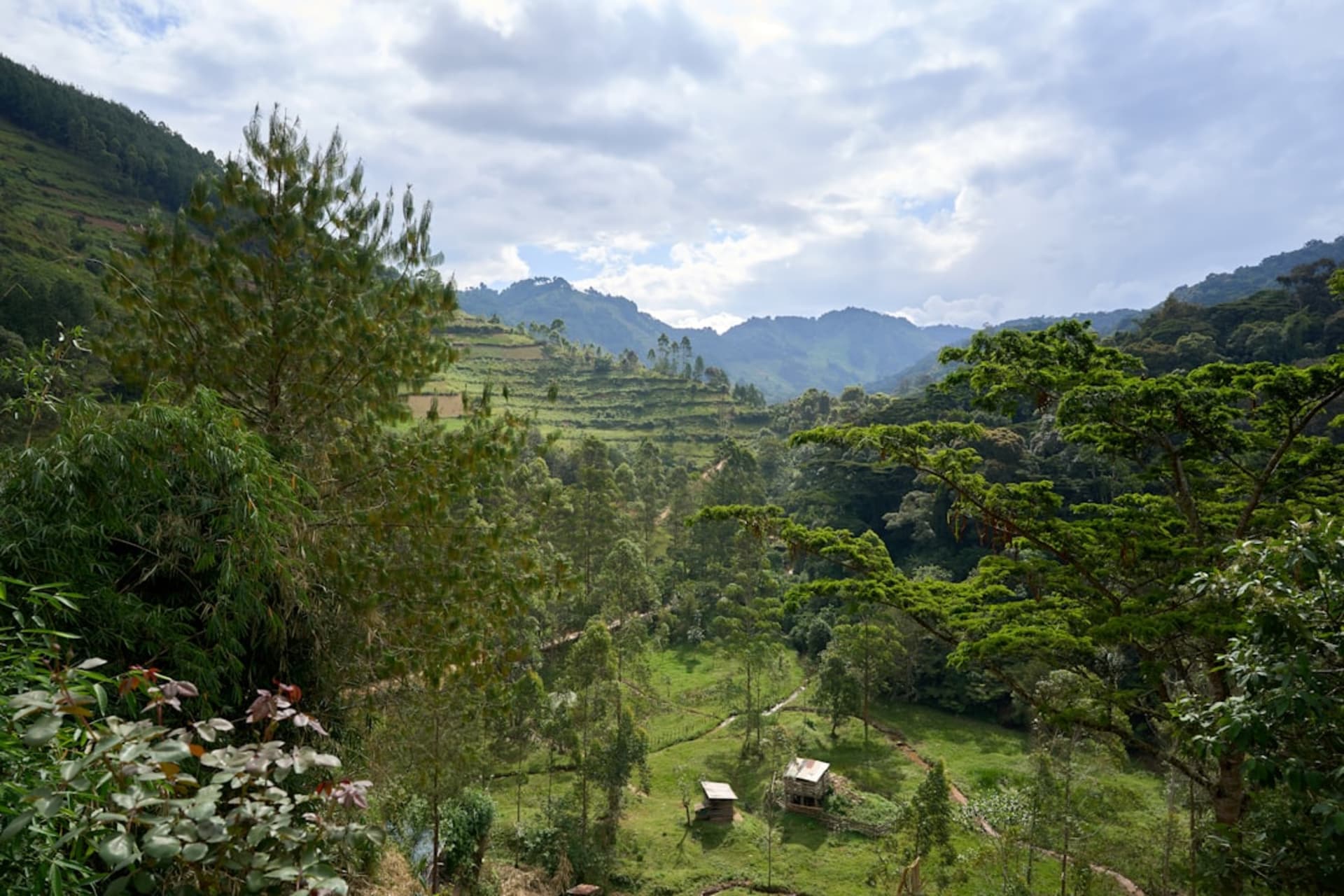
Carnot smells like fermenting coffee cherries for about six weeks a year, and I happened to arrive right in the middle of it. The town grew up around French colonial coffee concessions in the early twentieth century, and though most of the original plantations have been abandoned or absorbed into smallholder farms, the crop never really left. I spent a morning with a farmer named Ferdinand who still tends four hectares his grandfather worked as forced labor under the concession system — a history he talked about without flinching, the way people do when a thing is simply part of the record rather than a wound they’re still nursing. His coffee, roasted in a blackened pan over an open fire, was some of the best I’ve had in Central Africa: dense, almost chocolatey, nothing like the thin stuff sold in Bangui’s hotels.
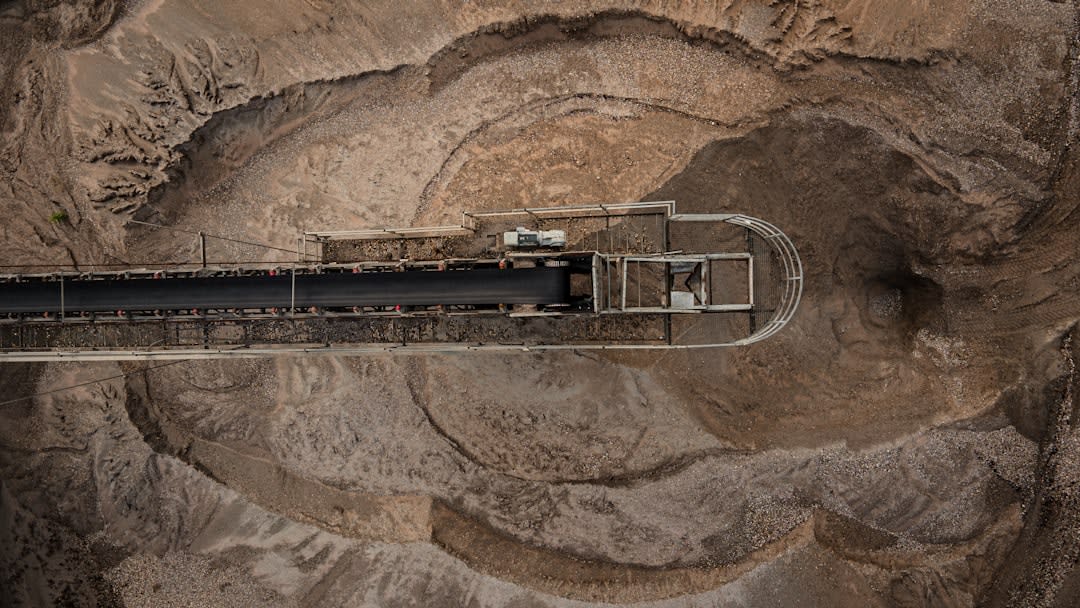
The other economy in Carnot is diamonds, and it is impossible to spend a day here without someone mentioning it. Artisanal miners work the gravel beds of the small rivers south of town with hand tools — shovels, sieves, a lot of patience — under a system that has barely changed since the mid-twentieth century. I visited one site with a local broker named Justin, who walked me through the process: digging down to the gravel layer, washing it in a rotating sieve, then picking through the residue by eye for anything that catches light differently than quartz. Most days produce nothing. He told me, without much drama, that the entire crew had found one stone worth anything in the past three weeks.
The town center itself is unhurried in a way that felt like a relief after Bangui’s noise — a wide dirt main street, a Catholic mission with a genuinely beautiful old brick church, and a market that specializes in smoked bushmeat brought in from the surrounding forest fringe. I ate goat brochettes at a roadside stand run by a woman named Clarisse who has been grilling the same recipe for fifteen years and has the forearms to prove it. The meat had a char and a pepper marinade that I have not managed to replicate since, despite two attempts back home in Mexico.
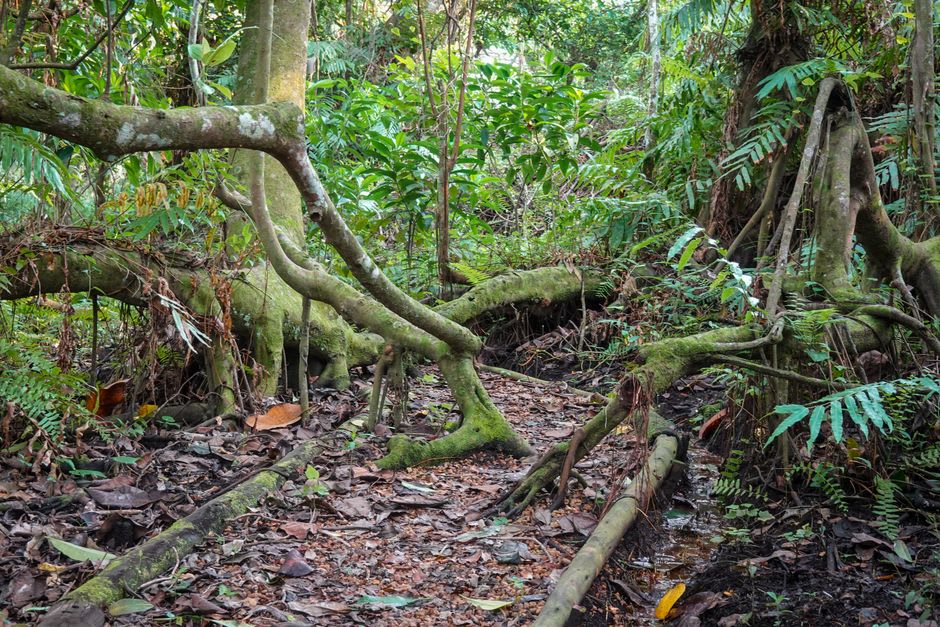
What stayed with me longest was an evening walk through one of the semi-abandoned plantation blocks at the edge of town, where old coffee trees now grow tangled among secondary forest, their rows still faintly visible if you know to look for the pattern. A troop of monkeys moved through the canopy overhead, indifferent to the fact that this was, a century ago, cleared agricultural land. The forest does not wait long to reclaim what it’s given up.
When to go: The dry season, December to February, is best for road access from Bangui or Berbérati, and coincides with the tail end of the coffee harvest if you want to see cherries drying on mats outside people’s homes.