Bangassou
"The river doesn't care which country it's currently dividing — it just keeps moving."
A river town on the Mbomou where colonial trading warehouses crumble along the bank and dugout canoes still cross to the Congolese shore for a handful of coins.
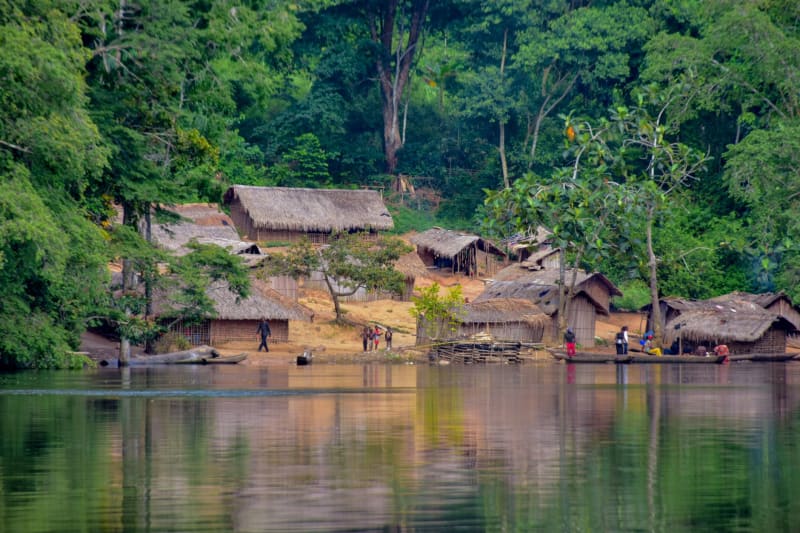
I reached Bangassou after a two-day drive southeast from Bangui that felt, by the end, like crossing into a different climatic zone — the savanna gave way to denser, wetter forest, and the road quality dropped in direct proportion to how far we got from anything resembling a functioning administration. The town itself sits directly on the Mbomou River, which forms the border with the Democratic Republic of Congo, and the crossing point in the middle of town is still worked by dugout canoe pirogues exactly as it has been for a century, ferrying traders, produce, and the occasional motorbike across water the color of strong tea.
The old commercial quarter near the river has a strange, half-collapsed grandeur to it — brick warehouses built by Belgian and French trading concerns in the early twentieth century, their roofs now caved in, vines working through the mortar. A local historian named Gaspard, who runs a small informal museum out of his home, walked me through what used to be a rubber and ivory trading post, back when Bangassou was a genuine node in the colonial extraction economy. He kept a handful of old ledgers and rusted scale weights that nobody official had ever bothered to catalogue. “This is not history anyone protects,” he told me. “It just sits here until it falls down.”
The cathedral in Bangassou — a solid brick structure from the same era, still very much in use — anchors the town’s Sunday rhythm, and I sat in on a mass conducted partly in Sango and partly in French, the singing loud enough to carry down to the river. Afterward, I ate at a small restaurant near the market where a woman served me maboke, fish steamed in leaves with chili and herbs, a dish shared across both banks of the river regardless of which flag technically claims them. She told me her sister lived across the water in Congo and that they saw each other more often than most siblings separated by an international border ever manage.
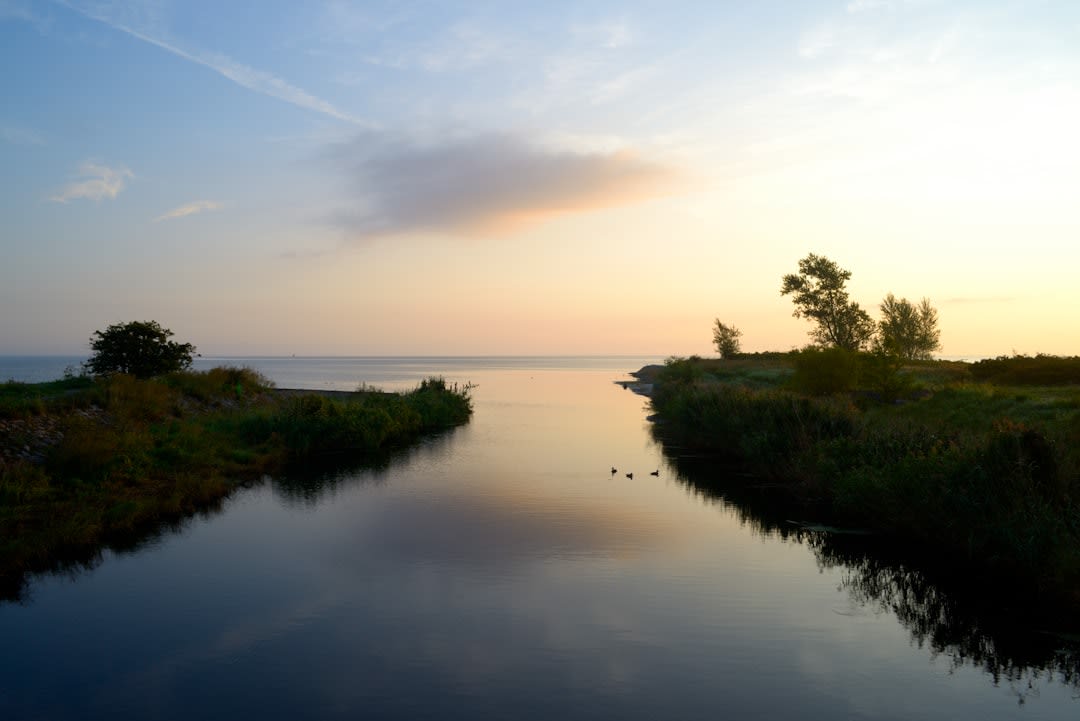
What struck me most in Bangassou was how thoroughly the river organizes daily life here, more than any road or administrative boundary. Fishermen work it at dawn with cast nets thrown in a single fluid motion I never got tired of watching. Women wash clothes and children on the same muddy bank within twenty meters of each other. The town’s entire logic bends around the water, and spending a few days there recalibrates how much a border on a map actually means to the people living beside it.
When to go: December through February offers the driest roads for the long overland journey from Bangui, though flight access (when operating) removes that concern entirely. Check current security advisories for the southeast before traveling — the region has seen periodic instability tied to cross-border armed group activity.
Keep exploring
More from Central African Republic
 central-african-republic
 Bangui
A river capital with the uncurated energy of a place that has never been designed for anyone's comfort but its own.
Explore central-african-republic
 Bayanga
The last proper town before the forest takes over entirely — gateway to Dzanga-Sangha and home to Ba'Aka communities whose forest knowledge has no equal.
Explore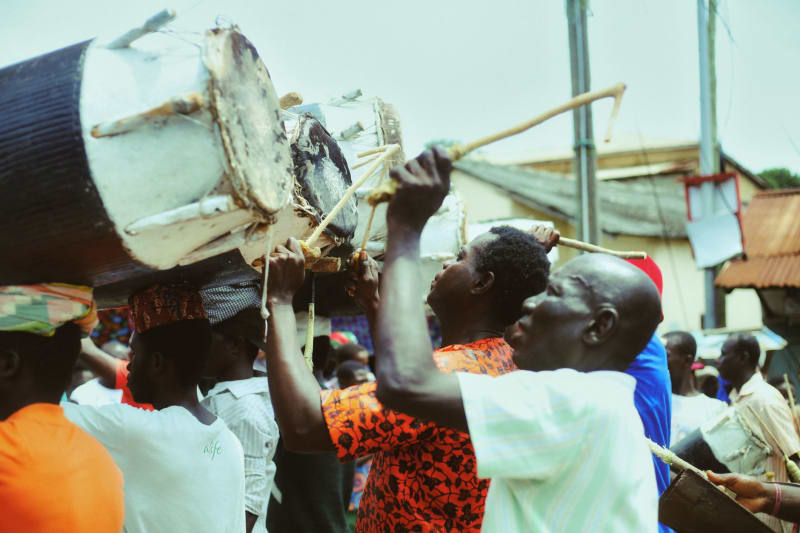 central-african-republic
 Berbérati
A diamond-country market town in western CAR where the roads arrive red with laterite dust and the commerce has the raw focus of a place that makes its own rules.
Explore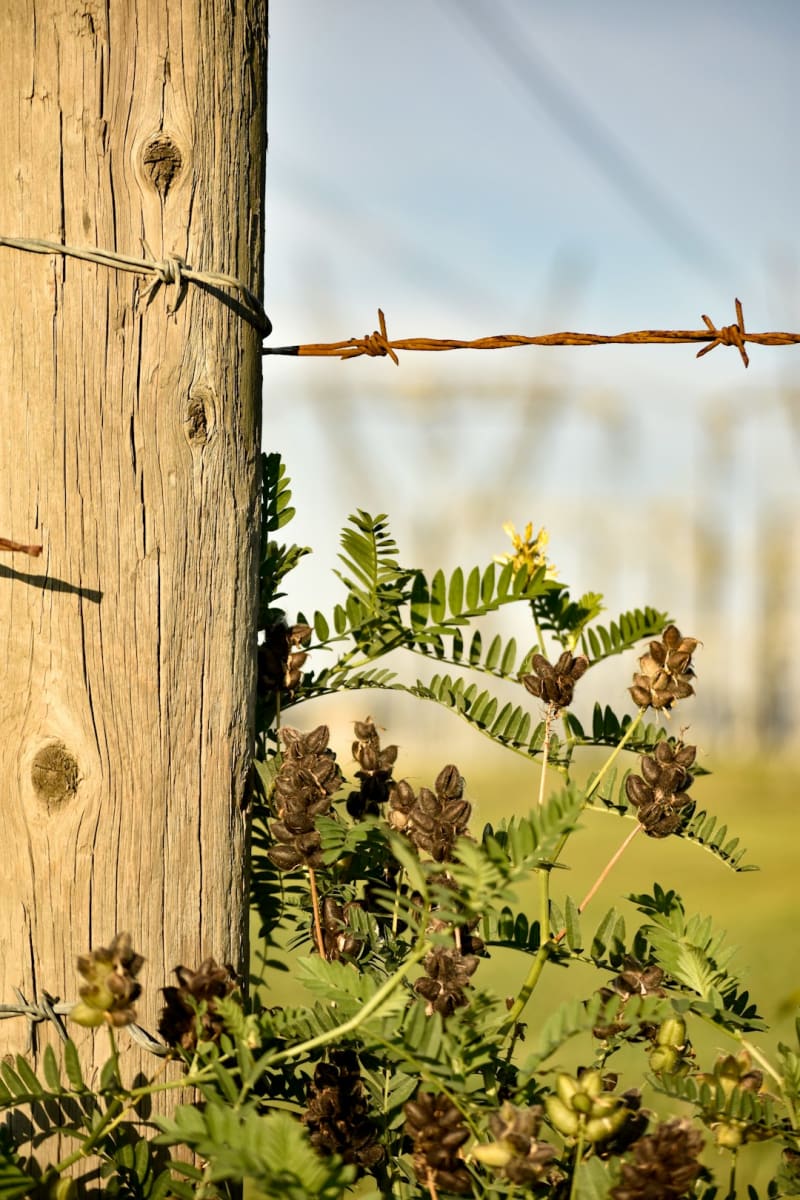 central-african-republic
 Birao
A far-north garrison town near the Sudan and Chad borders where the forest has given up entirely and the landscape turns to thorn scrub and open horizon.
Explore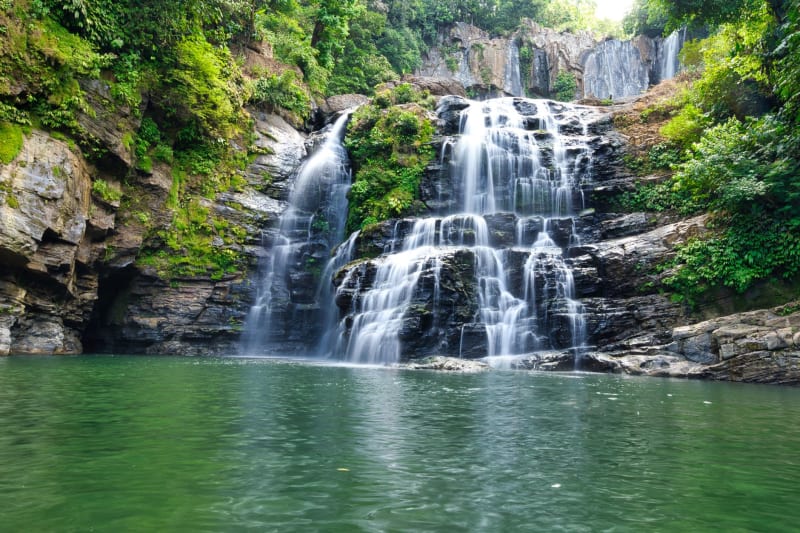 central-african-republic
 Boali Falls
A curtain of orange-brown water hurling itself off basalt cliffs an hour north of Bangui — loud enough to end thought, fine enough to soak you from twenty meters.
Explore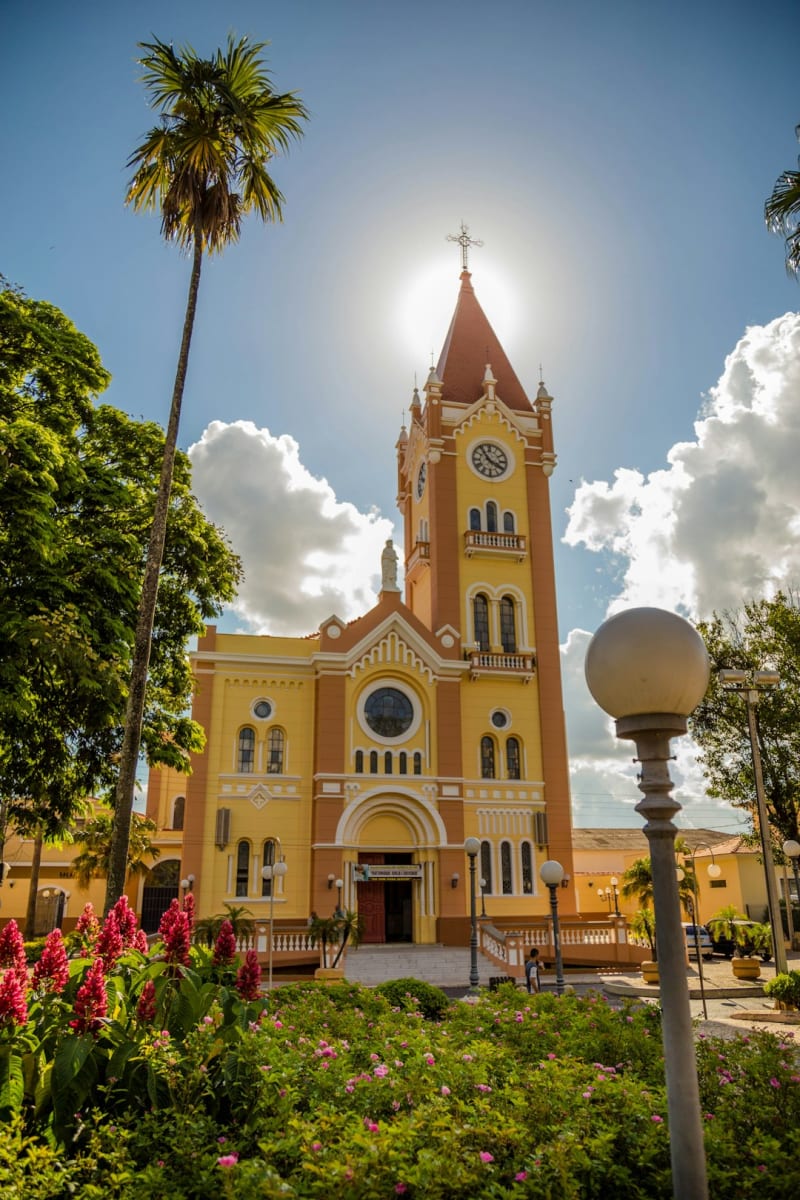 central-african-republic
 Bossangoa
A cotton-country capital in the northwest where a colonial-era cathedral anchors a town still finding its footing after being the flashpoint of the 2013 crisis.
Explore