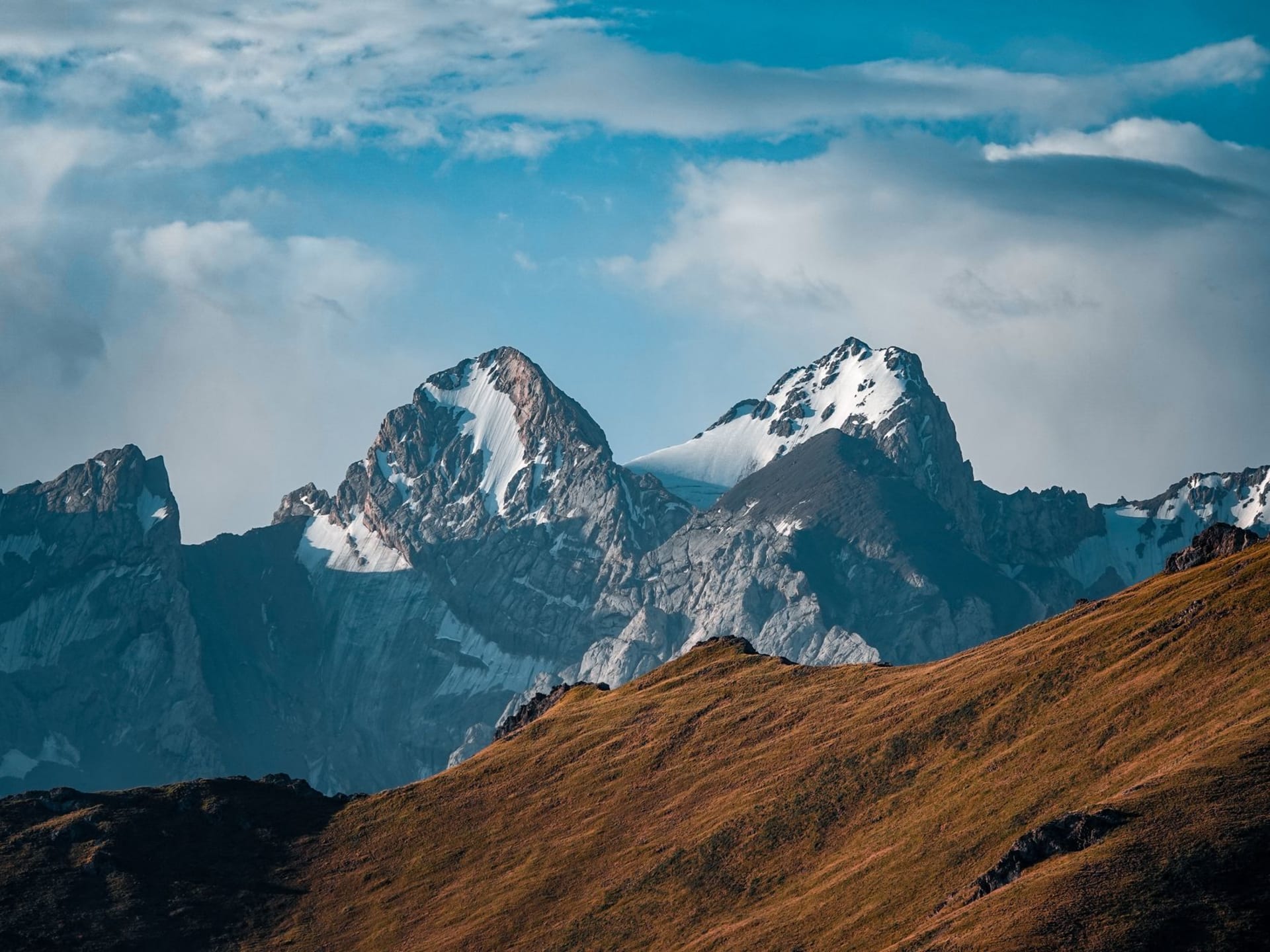
Shatili
"There are forty towers here and about thirty permanent residents. The towers are winning."
Shatili appears in the windshield at the end of a gorge road that has spent the last hour convincing you no one could live up here. And then it does appear: a mass of fused stone towers, walls, and corbelled galleries perched on a rocky promontory above the Argun river, looking less like a village and more like something that grew from the rock face itself. The colour of the stone matches the cliff so precisely that in certain light Shatili is invisible until you are almost on top of it, which may have been partly the point.
This is Khevsureti — a region in northeastern Georgia whose people, the Khevsurs, maintained a culture of armed self-sufficiency deep into the twentieth century. The chain-mail shirts and medieval weapons that later Soviet ethnographers found here in the 1930s were not antiques — they were working equipment. The isolation was functional, not accidental. The mountains and the gorges and the one road that wound through both were the wall around everything worth protecting.
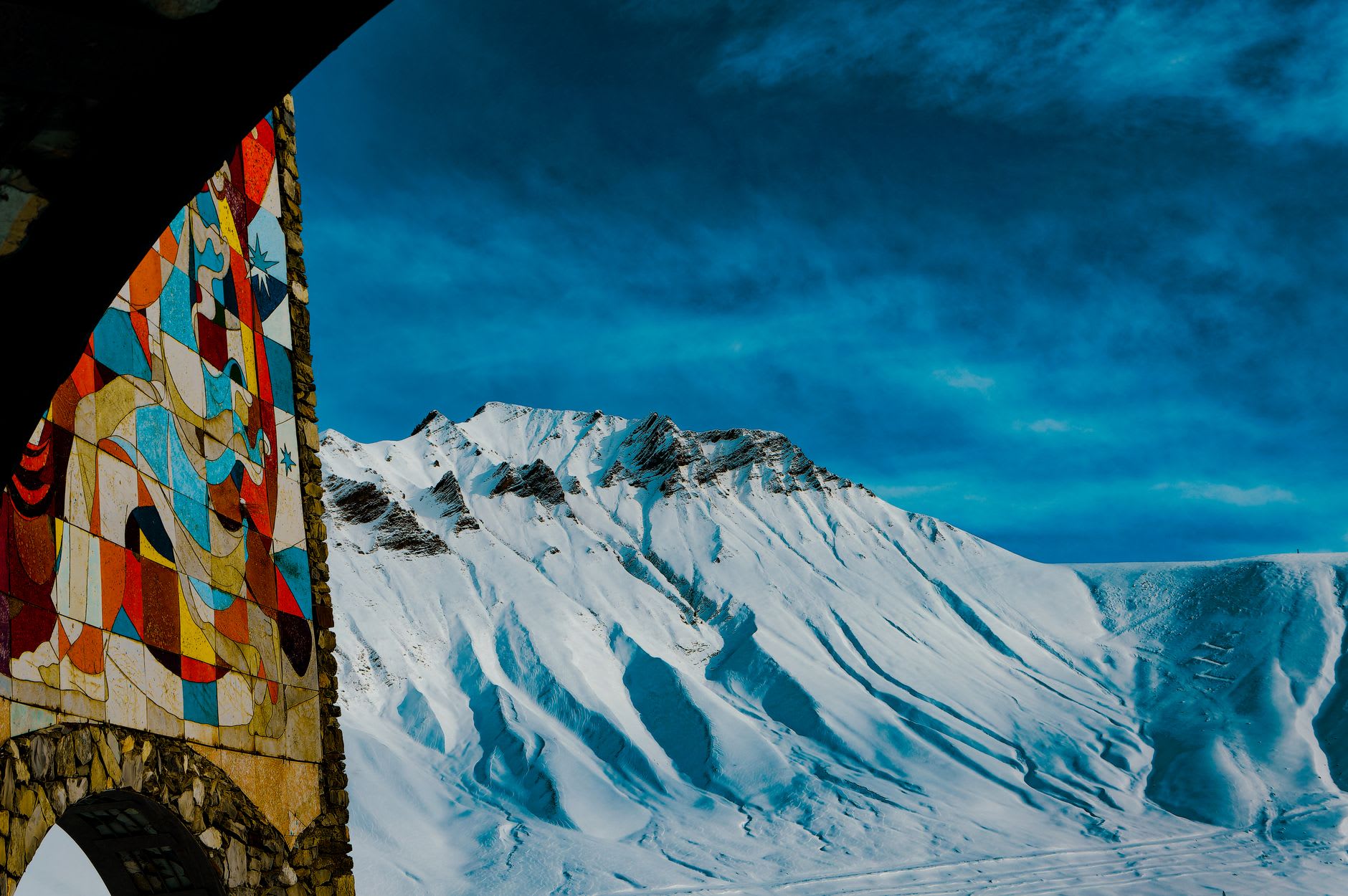
The village is divided into an old quarter — the fortress complex, uninhabited except in summer — and a small cluster of inhabited houses on the slope below. About thirty people winter here, a figure that rises modestly when the summer shepherds return. There is one guesthouse. The host, an older man who spoke no language I had access to, communicated entirely through the food he put in front of me: bean stew, mountain cheese, flatbread cooked on a stone, a bowl of wildberries. He watched me eat with the attentive satisfaction of someone whose judgement of character is conducted entirely through the quality of appetite.
The fortress complex is open to walk through, and it is not the ruin you might expect. The towers are intact, the stairways are navigable, and the communal spaces between the walls — tiny courtyards, sleeping platforms, storage niches carved into stone — give the impression of a settlement paused rather than abandoned. There are still crosses mounted on some of the walls: the Khevsurs practiced a Christianity so syncretic with older mountain religions that Georgian church authorities in Tbilisi, centuries ago, weren’t entirely sure it counted.

The hike across the ridge to the Chechen border ruins of Mutso — a ghost village even more dramatic in its abandonment — takes about four hours and involves a scramble on loose scree near the top of the pass. I went on a September morning with cloud cover that burned off slowly, revealing the border ridgeline inch by inch. Mutso is a collection of towers balanced on a cliff above nothing, entirely uninhabited, the wind moving through the empty doorways with a sound that you could spend a long time trying to describe.
When to go: June through September. The road from the main highway through the Argun gorge to Shatili is manageable in a standard car by summer, though the last section benefits from high clearance. October brings the first snows and the road becomes unreliable. Winter access is essentially impossible without snowshoes or ski equipment.