Omalo & Tusheti
"The road in is so bad it functions as a selection mechanism for the kind of people who make good travel companions."
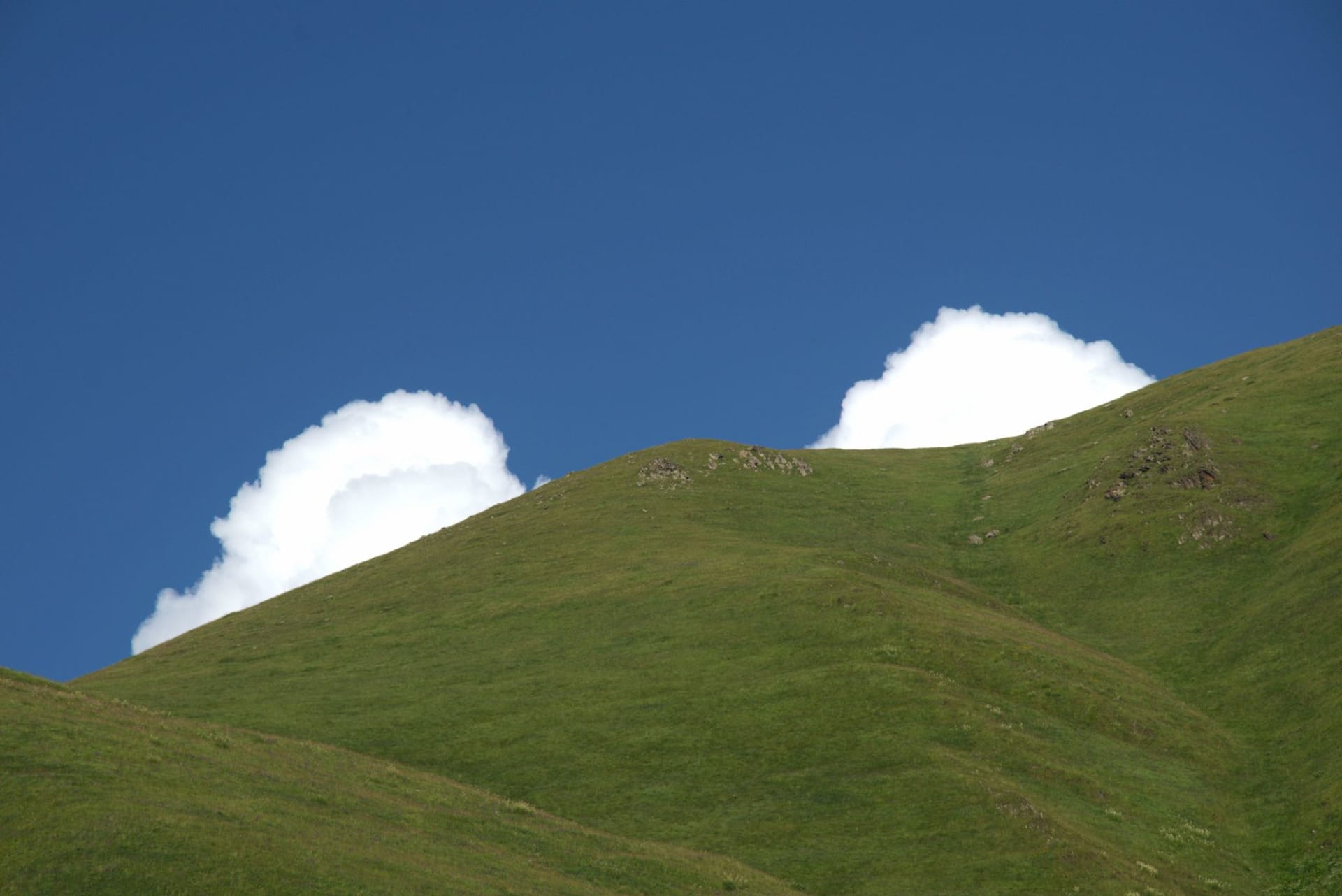
The Abano Pass is 2,926 meters of unpaved switchbacks cut into a ridge so narrow that the road is barely wide enough for one vehicle, and there are sections where one side is a cliff face and the other is nothing at all. I made the crossing in a Russian UAZ jeep driven by a man named Giorgi who hummed folk songs through the worst sections with the cheerful detachment of someone who has driven this road four hundred times. When we descended into the Tusheti highland and Omalo appeared below — a scatter of stone houses and towers on a green hillside above the Alazani river — I was so relieved to have survived the approach that I almost missed how beautiful it was.
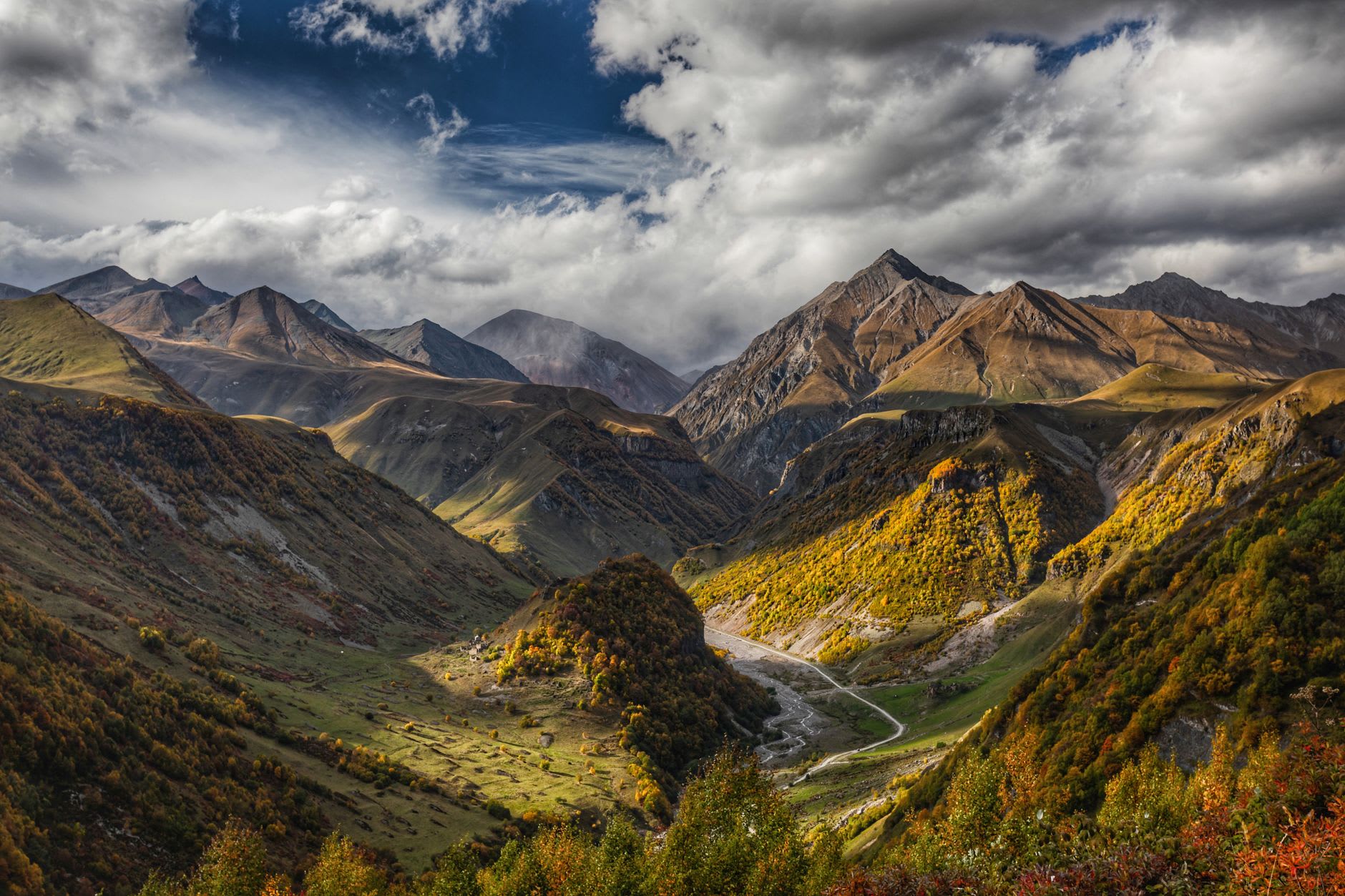
Tusheti is in northeastern Georgia, tucked against the Russian border and the southern slopes of the Greater Caucasus. Until the 1990s it was a region most Georgians knew existed but few had visited. Now it receives a few thousand visitors per summer season, which is still few enough that you can walk for hours on trails used only by shepherds and their flocks. The villages — Omalo, Shenako, Diklo, Dartlo — are among the oldest continuously inhabited settlements in the South Caucasus, their stone towers dating to the medieval period, their community structures (the clan system, the summer transhumance) largely unchanged.
I stayed four nights in a guesthouse in Omalo that was run by a woman named Keto and her daughter. Breakfast was cheese, eggs fried in butter, cornbread, and tea that came in a glass with sugar already dissolved in it. Dinner was the same foods reconfigured — a soup, something with beans, the same cheese. There was no menu and no choice and it was exactly right. One evening Keto brought out a bottle of local chacha — the Georgian grape spirit, unaged, clear as water, roughly 60 proof — and we sat at the table until midnight while her daughter translated fragments of the conversation about the village, the winter, the road.
The hiking here is of a quality that is difficult to convey without sounding evangelical. The trail from Omalo to Shenako passes through highland meadows where the only sounds are wind, cowbells, and the odd shriek of a lammergeier overhead. The trail to Diklo, the easternmost village, takes you along a ridge with views into Chechnya. Every path ends at a tower or a church or a shepherd’s hut, and at none of them is anyone trying to sell you anything.
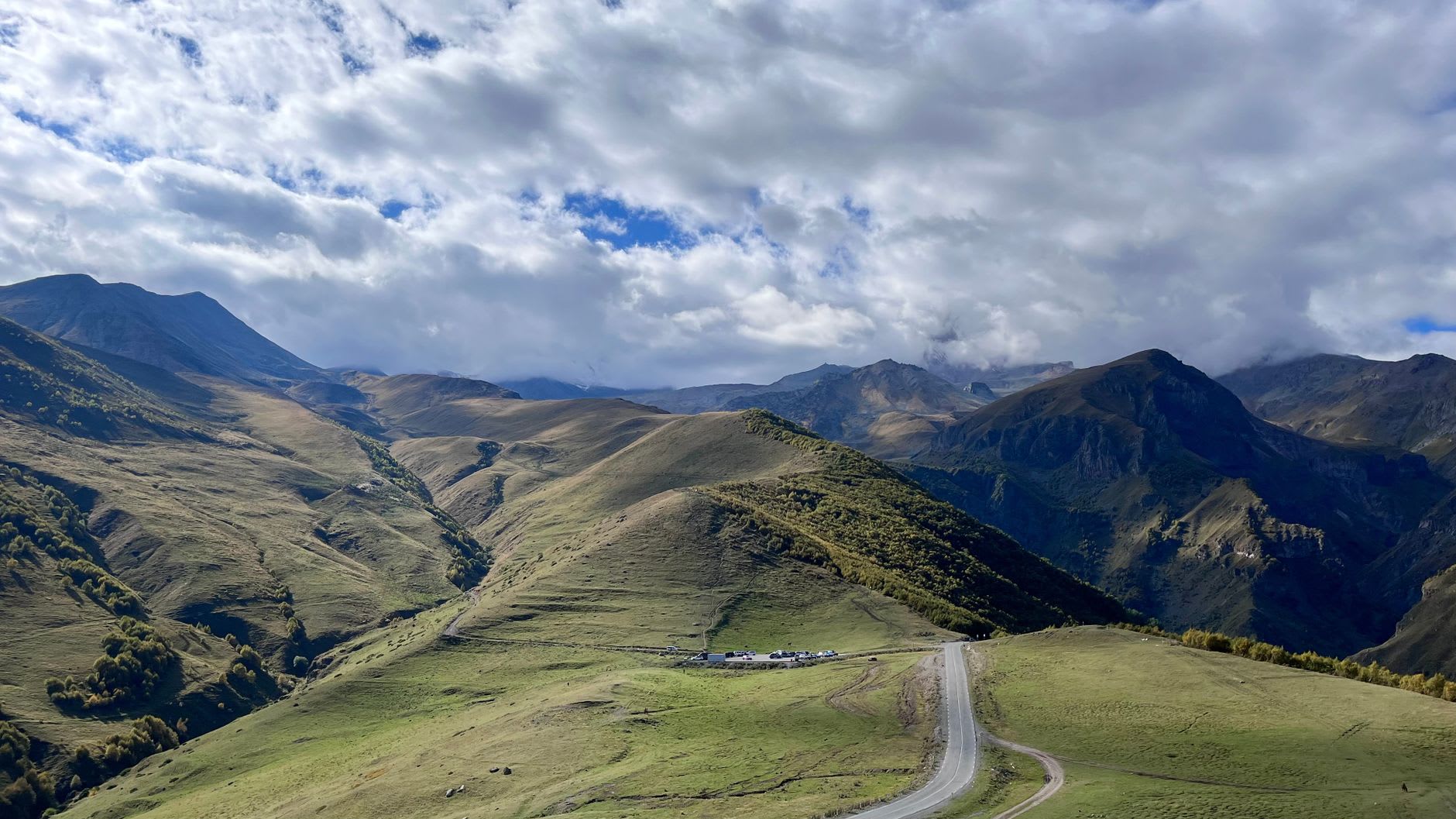
Tusheti is a summer-only proposition. The Abano Pass typically opens in late May or June depending on snowmelt and closes again in late October. The Tushetians themselves winter in the Kakheti lowlands and return each spring with their livestock — a movement that has been happening for centuries and continues with a stubborn, seasonal logic. If you can accept that getting here is the first test and not the last, the region rewards the effort in a way that few places I have been to have managed.
When to go: Mid-June through late September. July and August see the most activity — guesthouses fill, shepherds are on the high pastures, festivals happen in some villages. Early June and late September offer solitude but the Abano Pass can still be treacherous with snow. Never attempt the pass without a 4WD vehicle and a driver who knows the road.