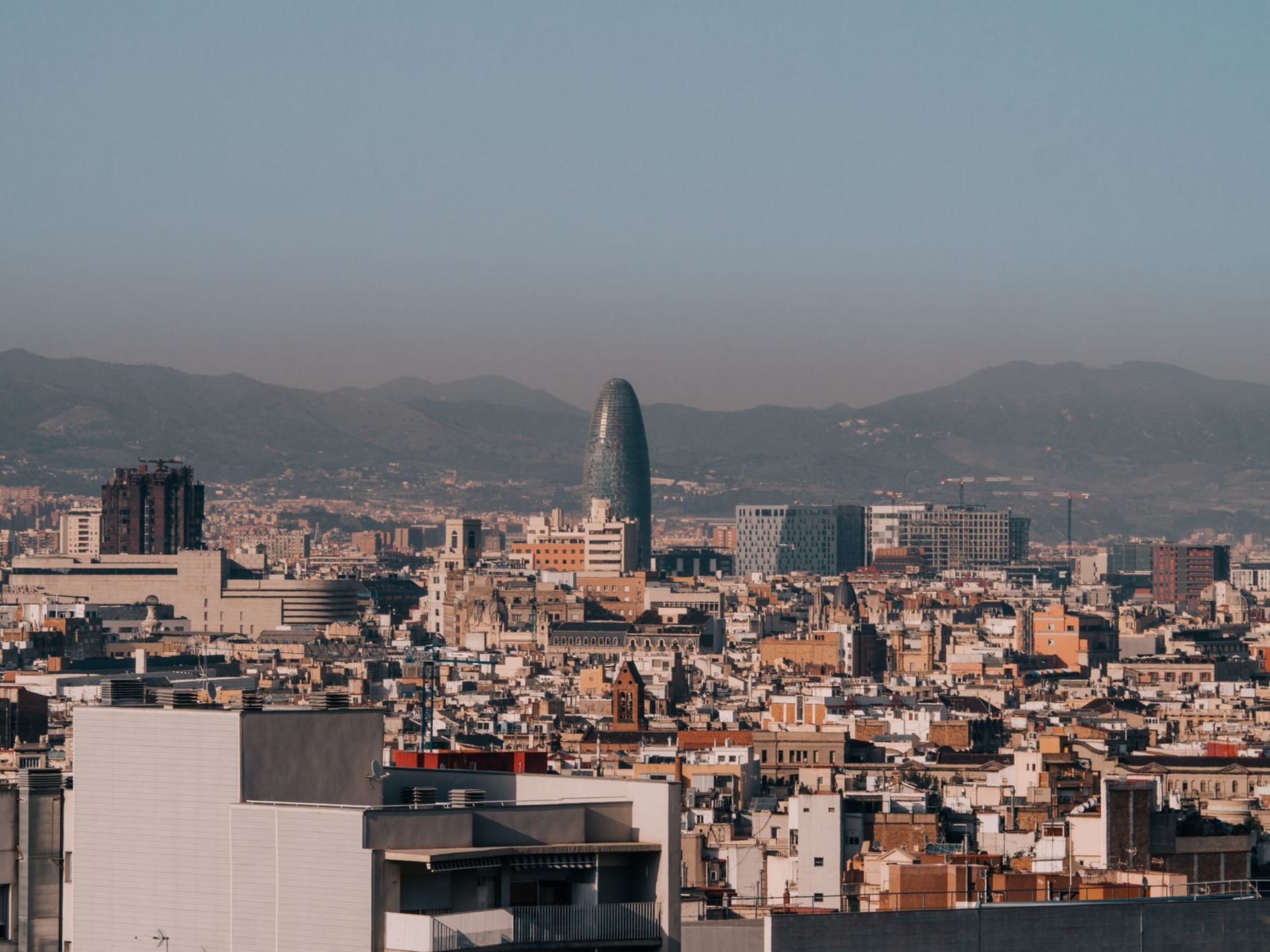
Barcelona
"I've been to Barcelona four times. Each time, the Boqueria at six in the morning still feels like a discovery."
I arrived the first time by overnight train from Paris, stepping out onto the Passeig de Gràcia before the city had fully woken up. There is a specific quality of morning light in Barcelona — low, sideways, catching the ironwork balconies and the hexagonal paving tiles in a way that makes everything look slightly staged. The cafe on the corner had its metal shutters half-raised, a waiter inside stacking cups, and the coffee smell reached me before I even got to the door. That was five years ago. I’ve been back three times since and the arrival still does something to me.
The Boqueria market is famous enough to be almost ruined by fame, but the trick is getting there before nine. In that earlier hour, the stalls are still being stocked by suppliers, the bars along the central aisle are serving breakfast to market workers, and the whole place has a functional intensity that the midday tourists never see. I ordered a glass of cava and a plate of jamón at Bar Pinotxo while watching a fishmonger arrange razor clams with the precision of someone who has done this ten thousand times and still cares. Nearby in El Born, the neighborhood I always gravitate toward, the streets smell of fresh bread from the old stone bakeries and the restaurants don’t open until nine in the evening because nobody eats before nine and somehow this is completely fine. The Basílica de Santa Maria del Mar stands in its own square at the quarter’s heart — built by the stonecutters and merchants of the Ribera district in the fourteenth century, it has a severity and clarity that the more celebrated Gaudí buildings lack. Inside, the three naves and the octagonal pillars produce a particular kind of quiet.
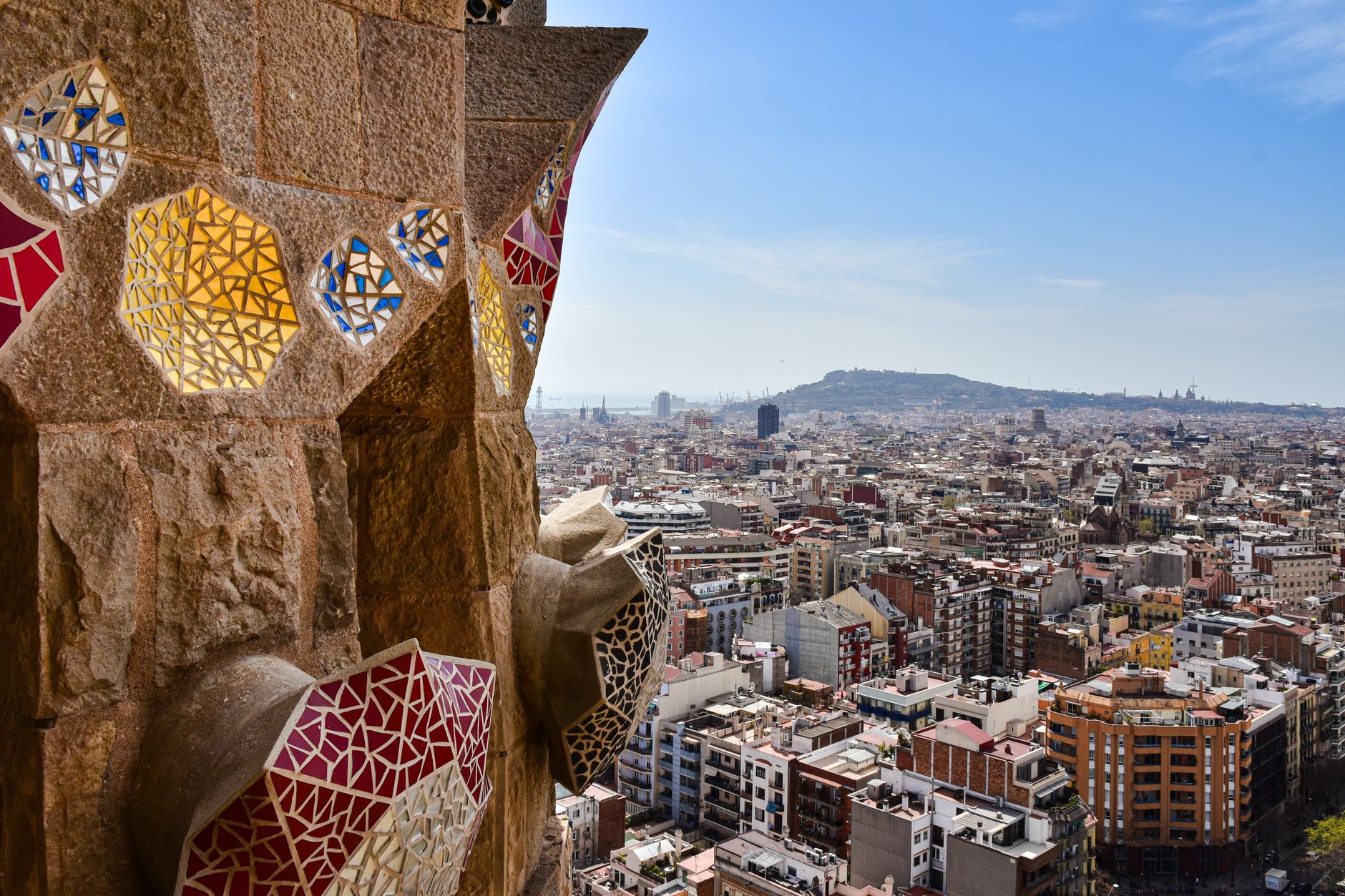
Then there is Gaudí — the unavoidable, the necessary. The Sagrada Família is the most contested building in the world and also one of the few structures I’ve encountered that makes the word “genius” feel like an understatement rather than an overreach. I went on a Tuesday in October, not peak hour, and still had to navigate streams of people, but inside, with the light filtering through the stained glass in that nave of impossible stone columns, I stopped thinking about the crowds entirely. The Parc Güell is better understood as a neighborhood than a monument — wander below the ticketed zone, into the streets of narrow houses on the hill that overlooks the city, and you find the reality of the Gràcia district below: local bars, elderly residents walking dogs, a quiet that exists only a few minutes from the tour-group clamor above.

Barcelona’s coast is one of its stranger features — urban beaches that shouldn’t work but do. The Barceloneta neighborhood, where the grilled seafood comes fresh and the tables spill onto terraces within earshot of the sea, is the kind of place where you order the fideuà because everyone around you is eating it. It arrives in a blackened iron pan, the thin pasta noodles toasted and absorbing the seafood broth until each strand is fragrant with saffron and squid and the sea itself. Late evenings here carry a particular Mediterranean ease: children running between adult conversations, nobody apologizing for taking up space, the water catching the last pink of the sky. I sat at a table at the edge of the terrace and ate slowly and watched the city exist around me and felt no particular need to be anywhere else.
When to go: April, May, and October are the sweet spots — warm enough for the beach, thin enough in the crowds to actually experience the city. August is survival-mode: hot and crowded in ways that feel combative. The Christmas period brings a peculiar local magic, the Fira de Santa Llúcia filling the Gothic Quarter with handmade nativity figures and the smell of roasted chestnuts.