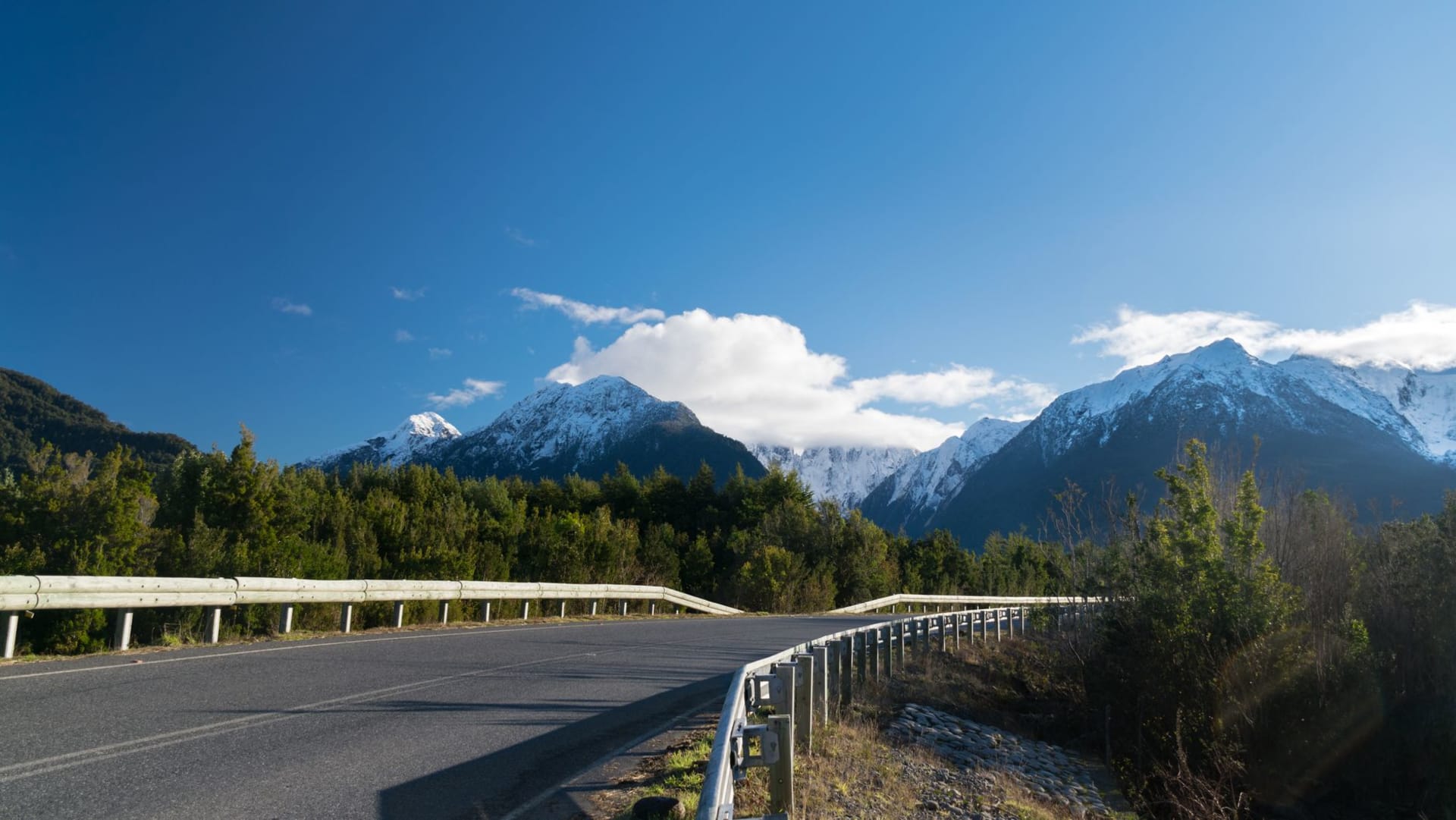
Valle Chacabuco
"The puma had already moved on by the time I got my binoculars up — which felt exactly right, somehow."
The entrance to Patagonia National Park announced itself with something subtle: the fence ended. After hours of driving gravel past estancias strung with wire, there was a gate and then open land where the land was just allowed to be itself. Tompkins Conservation — the foundation started by the North Face founder and his wife — bought the Estancia Valle Chacabuco in 2004 and spent years tearing out fences, removing invasive species, and letting the guanacos and huemules and pumas figure out the rest. The result, absorbed into Chile’s national park system in 2018, is one of the most remarkable rewilding experiments I’ve ever walked through.
I arrived at the lodge — the old estancia house, converted with enough restraint to honor what it had been — and checked in with a ranger who gave me a laminated map and the kind of practical advice that comes from knowing a landscape rather than reciting a brochure. “The guanacos are near the river this morning,” she said. “If you go before ten you’ll probably see fifty.” She was right. I walked out before breakfast and found a herd of perhaps eighty animals standing in the morning light with the unconcerned posture of animals that have recently remembered they own this valley.
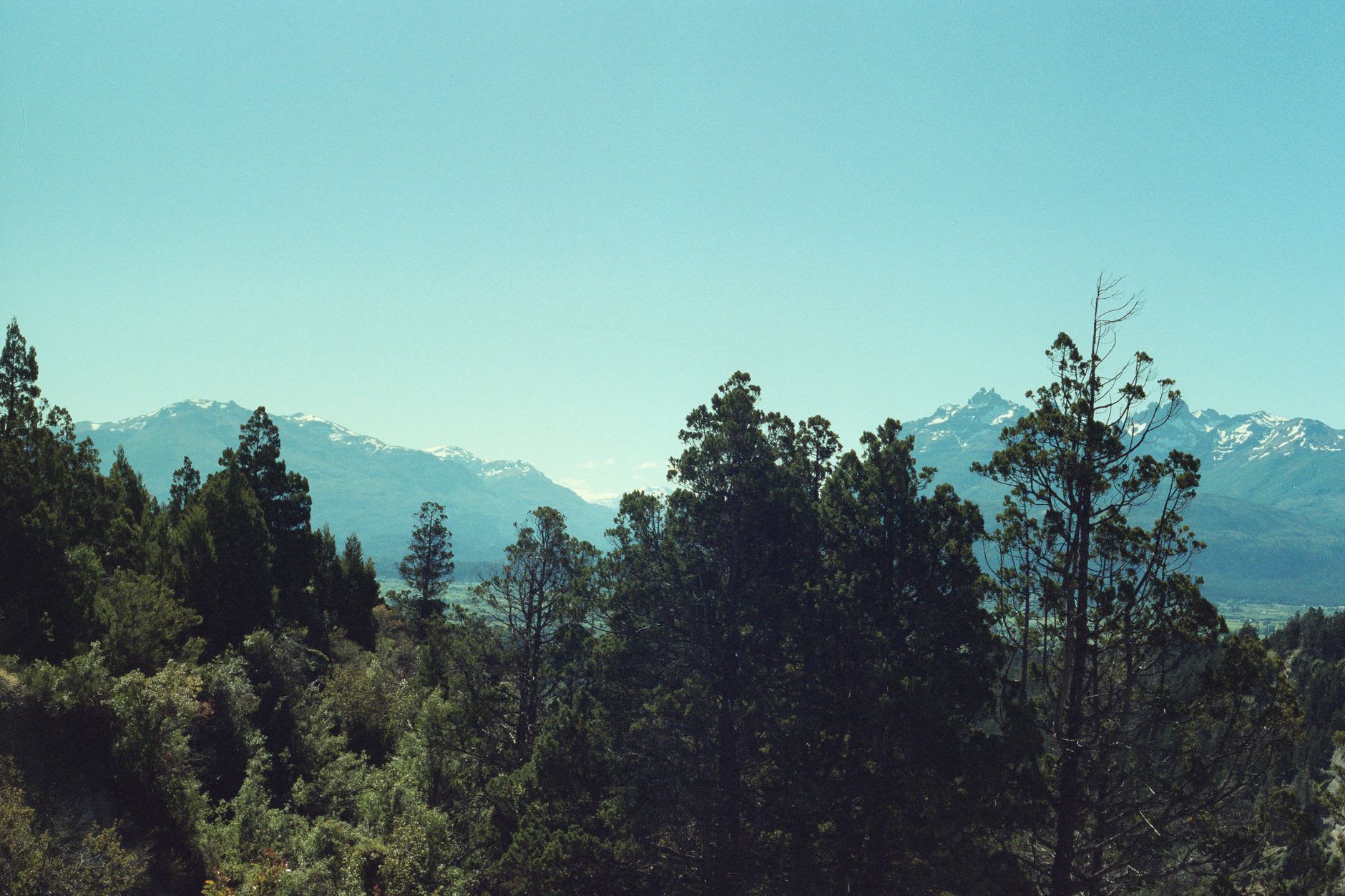
The landscape here is different from the forest country further north. Valle Chacabuco is steppe — wind-raked grassland and scrub, punctuated by rivers running off the mountains to the east. The sky is enormous in a way it isn’t in the fjord country, and the wind is constant and physical, the kind that leans on you. The peaks of the Avellano range rise to the southeast with a serration that looks designed, impossibly precise. Walking the trails here feels more like high desert than Patagonian forest, and the fauna is more visible for it: condors overhead, flamingos in the wetlands, and the occasional huemul — Chile’s endangered native deer — standing in the willows with an expression of mild offended dignity.
I spent two nights at the park lodge, which is the right amount of time to do the primary circuits without rushing. The trail to Laguna Verde climbs through lenga beech into open country above the treeline, and from the ridge the valley opens in both directions simultaneously — north toward the Cochrane River corridor, south toward the Baker. The wind there was strong enough to require conscious effort to walk against it, and I turned my back to rest and stood watching a condor work the thermal above the ridge without a single wingbeat for four minutes. I timed it because I didn’t want to forget.

What moves me about Patagonia National Park, beyond the scenery, is its argument: that land can be bought and then unbuilt, that fences can come down, that ecosystems have enough resilience to surprise you if given a reasonable chance. After a century of industrial grazing that stripped this valley to bare soil, the grassland came back. The animals came back. The project isn’t finished and probably never will be, but the direction feels honest.
When to go: November through March. The park operates year-round but winter closes some trails and the lodge reduces its schedule. January and February are peak and can be busy; November is exceptional — the guanacos with young, the park green from spring rain, and the light lasting until nearly ten at night.