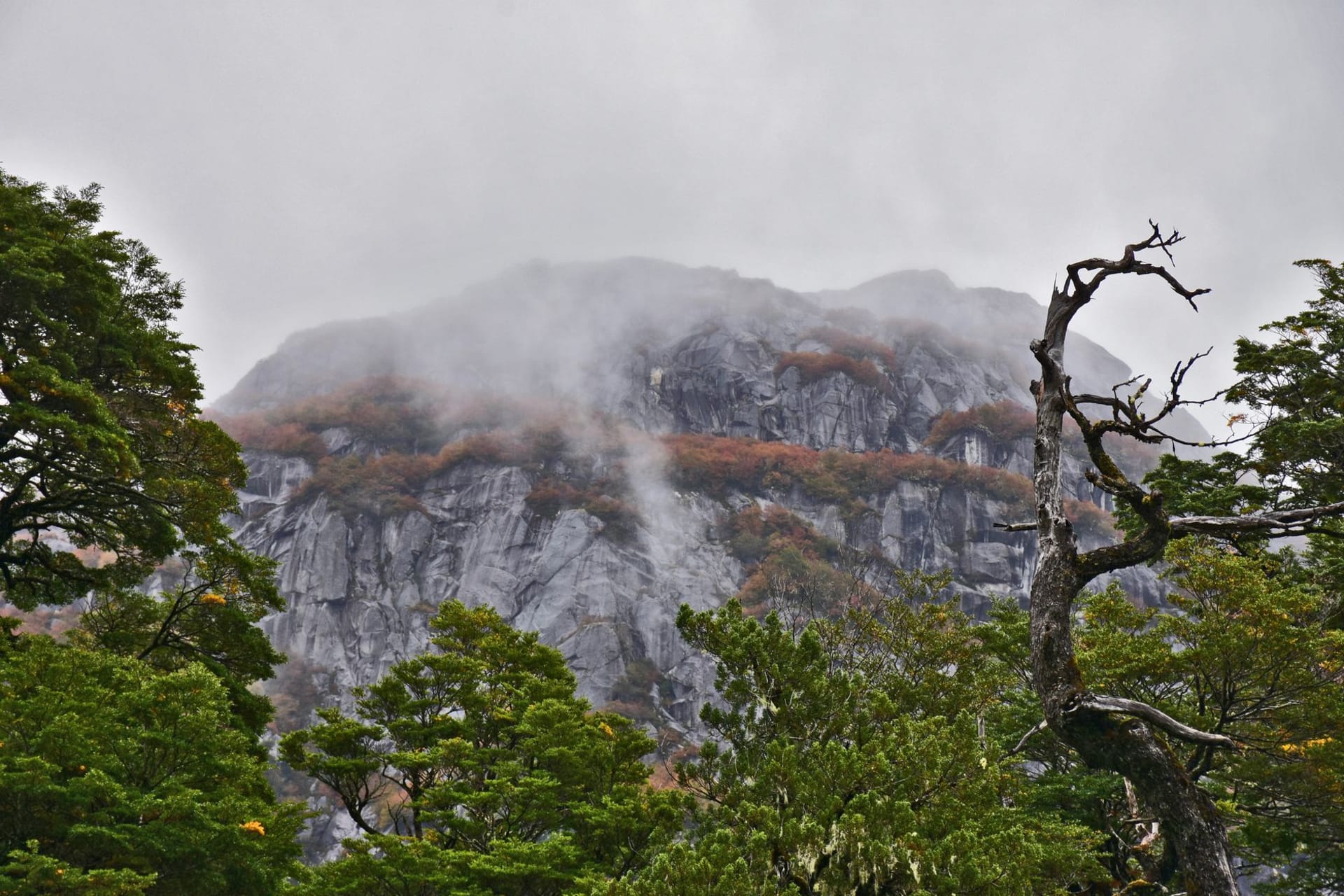
Parque Nacional Queulat
"Ice suspended between two cliff walls, dripping into a lake that had no business existing — nature in one of its showing-off moods."
The trail to the Ventisquero Colgante is only a few kilometers, but the Patagonian forest makes you work for it. The path runs through coigüe and tepú trees so old they’ve grown moss on their moss, and the humidity is total — not unpleasant, just absolute, the way a rainforest decides to remind you that you are mostly water too. I could hear a river somewhere below the trail, muffled by layers of vegetation, and birds I couldn’t name making sounds that had no analogue in anything I’d heard before. Then the trees opened and the glacier was just there.
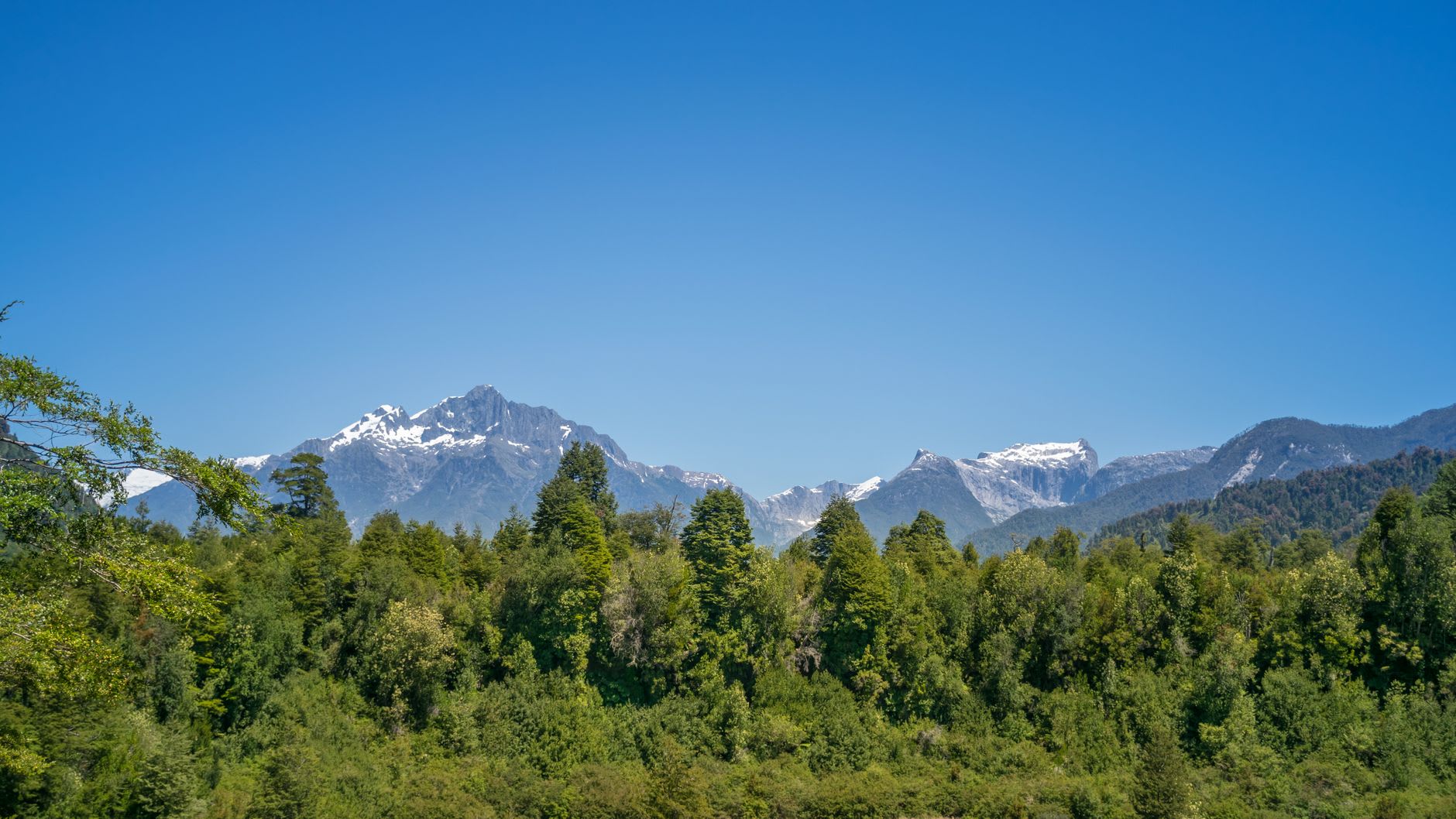
It hangs between two rock faces like something a set designer would be embarrassed to propose. The Ventisquero Colgante — the Hanging Glacier — is a remnant of the Patagonian Ice Field that has crept to the edge of a cliff and remains suspended there, calving slow chunks that drop into twin waterfalls before reaching the glacial lake below. The lake is cold and improbably dark, the color of wet slate, and it reflects the glacier and the surrounding peaks with a clarity that makes the whole scene feel slightly doubled. I stood at the mirador for a long time and tried to determine whether the lake’s surface was moving.
There is a second viewpoint that requires a boat crossing — the park rangers operate a small zodiac — and from there the scale of the glacier becomes impossible to dispute. Up close, the ice is blue in its crevasses, white at the surface, and the waterfalls that fall from its edge make a sound that isn’t quite thunder and isn’t quite rushing water but something between the two, a low continuous percussion that you feel before you properly hear it. Chunks of ice float in the lake. The water temperature, according to the ranger who brought me across, is about four degrees Celsius. He said this with the mild satisfaction of someone who finds cold water perfectly reasonable.
The park also contains the Bosque Encantado — the Enchanted Forest — an ethereal section of trail where the vegetation is so dense and tangled that you walk through green tunnels with hanging moss that catches the light in ways that require no exaggeration to describe as magical. I went in the early morning when the mist was still in the trees and had it to myself for the better part of an hour. That silence, broken only by dripping and birdsong, was its own reward separate from the glacier.

Most travelers stop at Queulat as a day visit while driving through on the Carretera, which means the afternoon crowds can be significant in high season. But the park has a campsite, and spending the night changes everything. Morning light on the glacier — before the tour groups arrive — is different in quality from afternoon light: softer, more uncertain, the peaks still partly obscured by cloud so the glacier appears to emerge from nowhere.
When to go: November through March. The trail to the mirador is walkable year-round in good weather, but the boat crossing to the close viewpoint operates from October to April only. January sees the most visitors; November and March offer the same views with considerably more solitude.