Puyuhuapi
"The hot spring water was so warm the fjord looked cold by contrast — which it was, brutally."
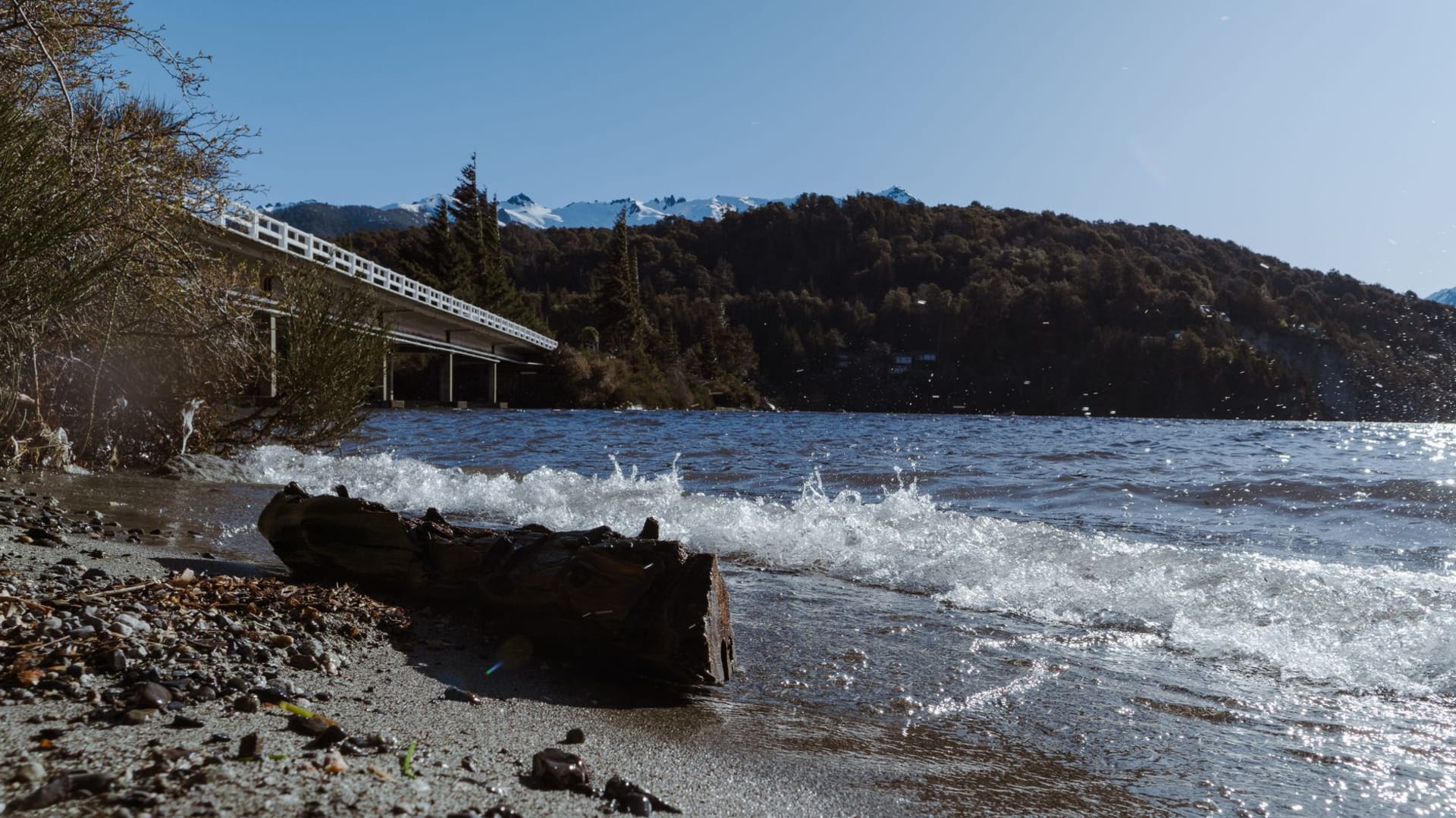
I arrived at Puyuhuapi in the kind of driving rain that makes you question your decisions. The road had been gravel for hours, the truck was filthy, and my windshield wipers were fighting a losing battle against the horizontal weather coming off the channel. Then the fjord appeared through a gap in the clouds — gunmetal water, dark forested mountains, and a handful of wooden houses arranged along the shore with the composed neatness of a village that has never been in a hurry. I stopped the truck on the shoulder and just looked for a while.
The village was founded in the 1930s by four young German immigrants who arrived here with the kind of ambition that only makes sense when you’re far enough from home that failure isn’t embarrassing. They built a carpet factory — a carpet factory, in the Chilean Patagonian fjords — that still operates today, and you can visit the workshop where women weave traditional patterns on looms that look a century old because they are. The carpets are beautiful, impractical to carry, and completely unrelated to anything else in the surrounding landscape, which is part of what makes them memorable.

But what most people come to Puyuhuapi for — what I came for, if I’m honest — is the hot springs. The Termas de Puyuhuapi sit on the far side of the channel, accessible only by a short boat crossing, and they are one of the most disorienting places I’ve ever lowered myself into. Three pools of different temperatures, each one fed by volcanic water, each one positioned so that your eyes look directly out over the fjord. The water around the springs is cold and dark. The air was about eight degrees. I floated in forty-degree thermal water watching a seal cross the channel and thought about how little sense this all made, geographically and cosmically.
The village itself has a restaurant that serves the local centolla — king crab — pulled from the channel by someone who probably lives two houses away. I ordered it simply, with bread and a glass of whatever the carafe held. The meat was sweet and dense, the kind of thing that explains why Chilean fishermen seem so quietly satisfied with their situation. You eat like this and certain complaints about the road conditions seem, if not unfounded, at least small.

The village has fewer than six hundred people and the accommodation is limited — a small hospedaje near the square, the upscale lodge across the water. What matters is arriving before the light dies and getting a table at the restaurant before the other travelers figure out it exists. There’s a quality of quiet here that is specific to fjord villages: not rural silence exactly, but the concentrated calm of somewhere enclosed by water on one side and forest on three others.
When to go: December through February for the most stable weather, though Puyuhuapi operates year-round and the hot springs are genuinely best in cooler months when the temperature contrast between pool and air is sharpest. Book Termas de Puyuhuapi well in advance — it’s the most popular hot spring on the route and fills fast in January.