Futaleufú
"The river sounds before it comes into view — you hear the canyon before you see it."
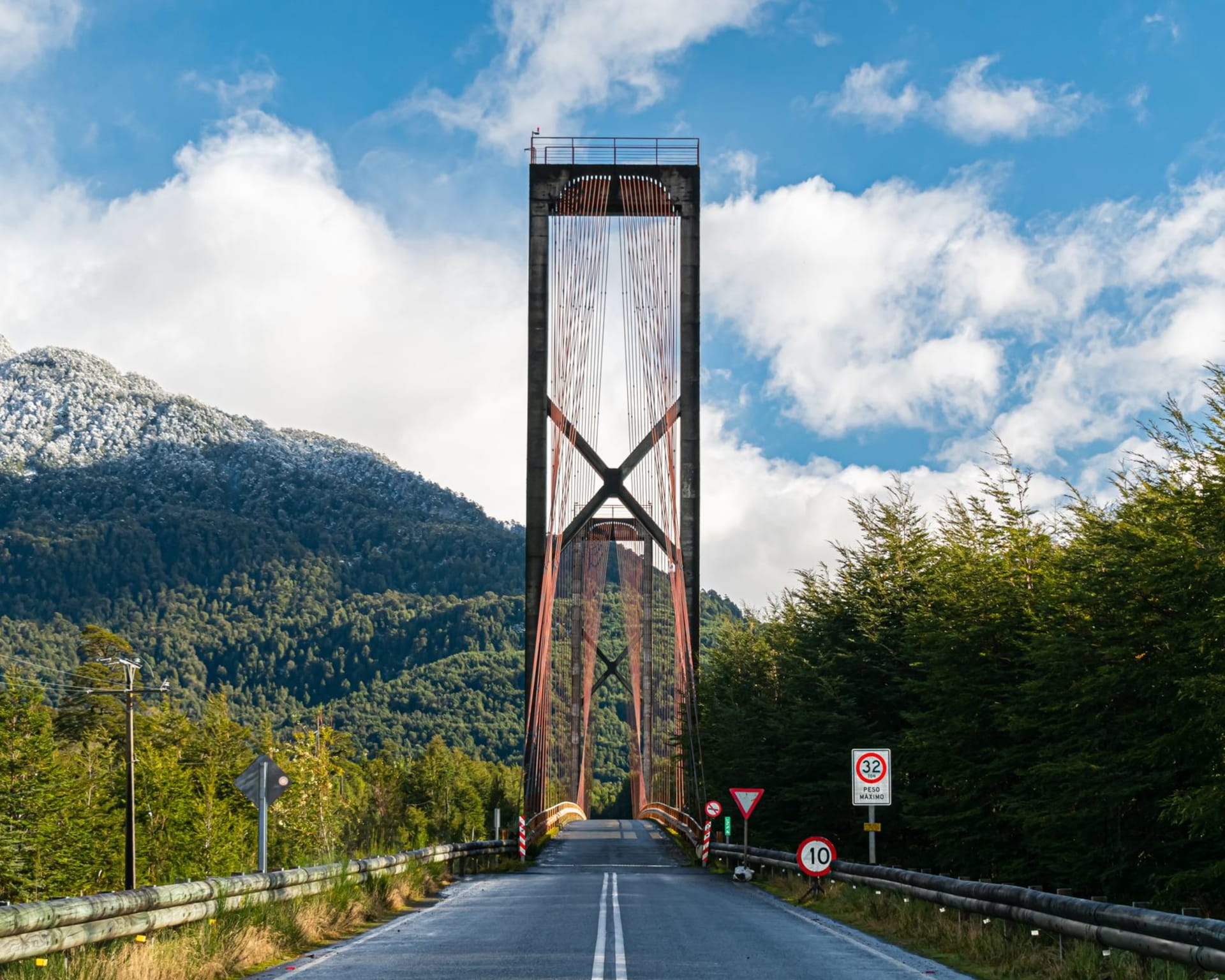
Futaleufú is a detour from the Carretera, and the road to reach it is its own introduction to the place’s logic. You branch east from the main route near La Junta and follow a valley that slowly rises, the forest thinning into open grazing land before you cross into a small river canyon where the turquoise appears before the sound does — which is unusual, because the Futaleufú River is loud, genuinely loud, the kind of river that is performing something rather than simply moving.
The town is small and unhurried, organized around a central square with painted wooden buildings and a general store that sells everything from trekking boots to mayonnaise. What brings people here is entirely the river. The Futaleufú is considered one of the world’s premier whitewater rivers — Class IV and V rapids, enormous volume, glacially clear water in that specific Chilean turquoise that I’ve been trying to photograph adequately for the better part of three countries and still can’t — and the infrastructure around it is accordingly oriented. There are rafting outfitters, a kayak school, guesthouses that have drying rooms for wet gear, and restaurants with menus calibrated for people burning significant calories.

I am not a whitewater kayaker. I did the rafting trip, which is the intermediate option and still requires you to sign a waiver in Spanish that I translated roughly as “things are going to happen and you accept them.” Our guide, Sebastián, had the particular quality of calm that I associate with people who have spent years developing a relationship with something much larger than themselves. He briefed us in Spanish and then again in approximate English and then, when we were in the water, stopped talking entirely and communicated through paddle signals that became clear the moment they were needed.
The river section we ran lasted about four hours and included several rapids that required nothing from me except the ability to paddle when told and hold on when not told. The largest of them — a Class V called Casa de Piedra — was preceded by a short portage around the bank to scout it, and standing above it watching the water channel through two enormous boulders at a speed and volume that made my instincts object loudly, I understood exactly why some people organize their lives around chasing this feeling.
Afterward, toweling off on the bank with sun finally appearing through the clouds, eating the lunch from the drybag — bread, cheese, an apple, a bottle of water that tasted of nothing and was perfect — I felt the particular clarity that physical challenge produces when it goes correctly.

The town also has access to good hiking in the valley walls above the canyon — trails with views down into the river that explain the name Futaleufú, which means “big river” in Mapudungun, with an accuracy that no photograph has yet improved on. And in the evenings there are a couple of restaurants serving grilled trout from the local rivers that is fresh enough to require no elaboration.
When to go: October through April. The rafting outfitters run November through March for optimal water levels. December and January see the highest water — which makes the rapids bigger and the experience more intense. February and March offer slightly lower levels but more reliable weather. The town essentially closes June through August.