Coyhaique
"A city that uses the word 'remote' without irony and means every syllable of it."
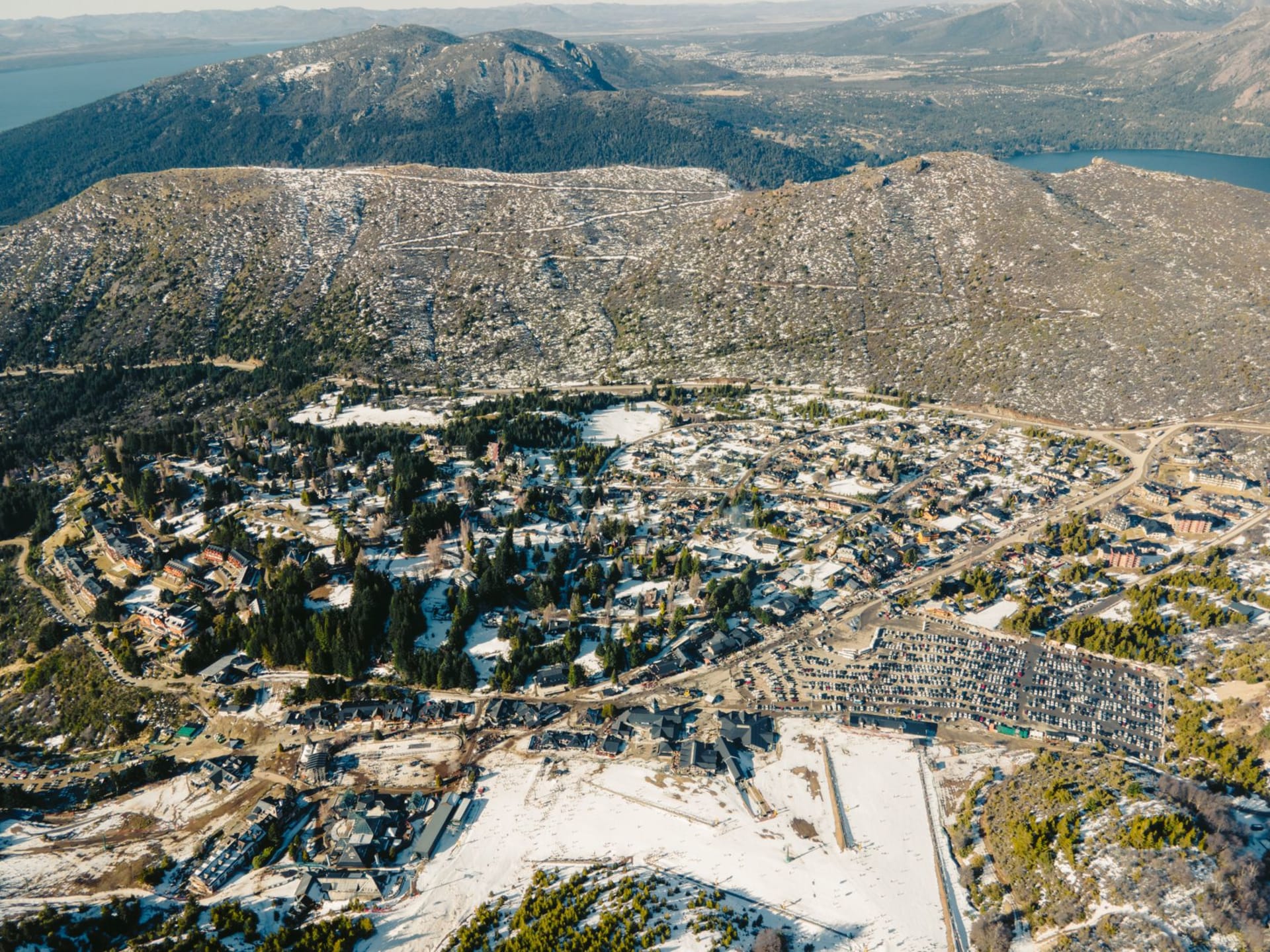
Coyhaique is the only city on the Carretera Austral and it announces itself with a kind of quiet confidence I hadn’t expected. After days of gravel and tiny villages, hitting pavement again felt like a small betrayal — as though the road were conceding something. The city sits in a valley surrounded by peaks, with Cerro Mackay rising behind it like a claim staked by the mountains on the idea of the urban. I drove in on a Tuesday afternoon and found the streets busy with people doing ordinary things: picking up dry cleaning, arguing on phones, buying groceries. The normalcy was briefly disorienting.
The Plaza de Armas is pentagonal, which is unusual enough that the first time I walked around it I wasn’t sure I was interpreting the geometry correctly. Each side connects to a street at a different angle, and the effect is that you’re always approaching it from a direction that feels slightly off. There’s a fountain, benches, and a church with a corrugated metal roof painted the color of dried blood, which is both ugly and correct for this setting. I sat on a bench with a coffee from a thermos a vendor was selling from a shopping cart and watched the afternoon cross the square.
The food here rewarded patience. Coyhaique has several restaurants worth a genuine stop — not fancy, but committed to the local ingredients that Patagonia does well: centolla, lamb, merluza australiana. I ate at a place on a side street that had a chalkboard menu and six tables, and the cordero al palo — whole lamb roasted on a cross over coals — was served carved at the table by a man who performed the task with the calm efficiency of someone who has been doing it for twenty years and sees no reason to comment on it. The fat was crackling, the meat pulled apart easily, and the chimichurri beside it was unnecessary but I used all of it.
What Coyhaique also offers is logistics. For anyone driving or cycling the Carretera, this is the place to fix things. There are mechanics who understand how gravel roads abuse differentials. There are supermarkets with fresh produce. There are outdoor gear shops where you can replace a broken tent pole or buy better rain pants. There are ATMs. I spent a morning dealing with all the practical catch-up that had accumulated over the previous week and felt, afterward, a freedom that is particular to having organized supplies before heading into emptiness.
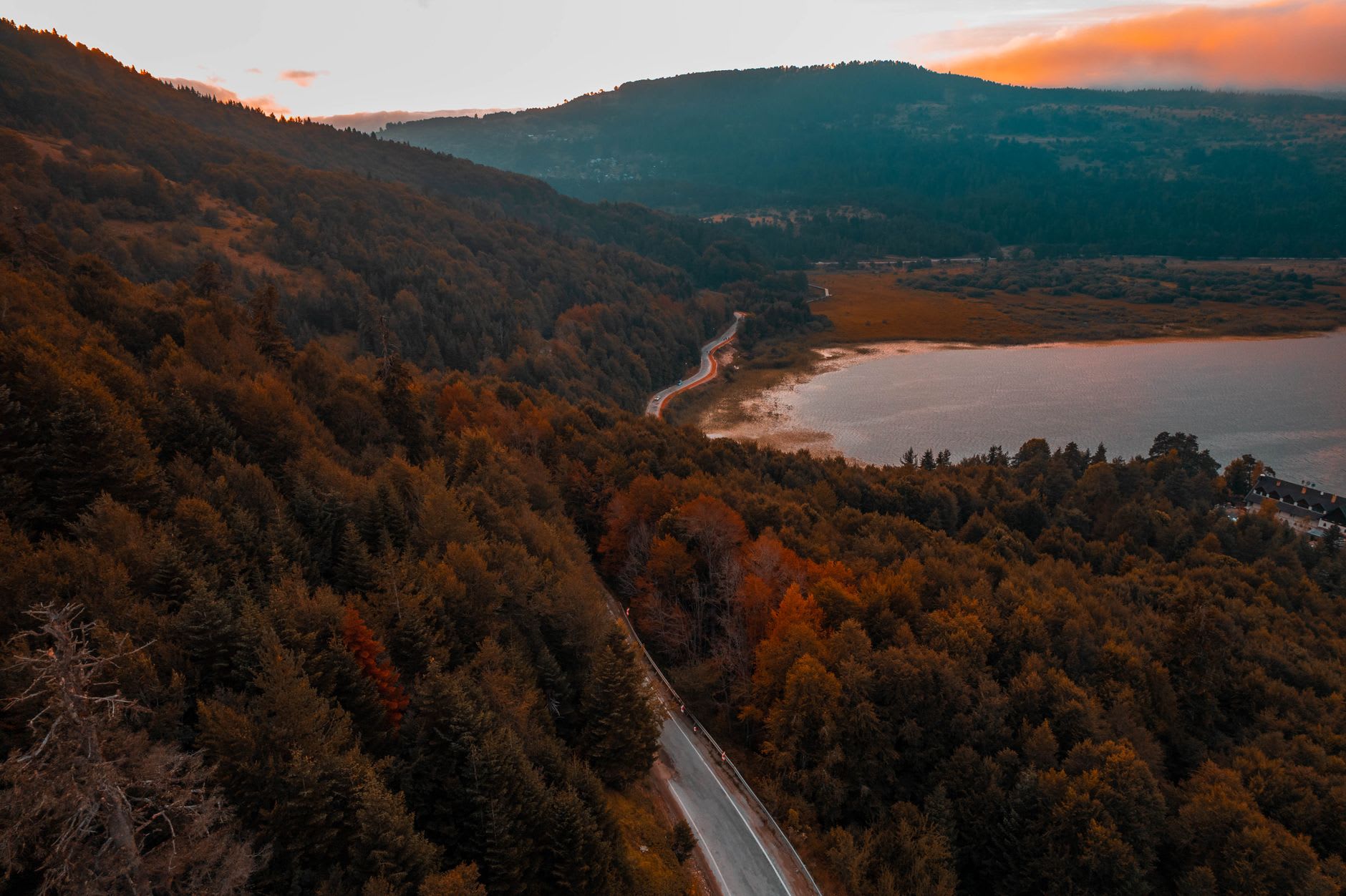
The city’s position also makes it a base for some genuinely extraordinary day trips: the Laguna San Rafael glacier is reachable by small plane, the Reserva Nacional Coyhaique has hiking trails through lenga beech forest, and the Río Simpson runs close enough to town that you can fish it in the afternoon and be back for dinner. The surrounding landscape, in other words, keeps the city honest.
When to go: Coyhaique functions year-round as the regional capital, but as a travel base it’s best from November through March. The shoulder months of October and April see fewer visitors and the same access to day trips. Avoid driving the gravel sections to and from Coyhaique in winter without a 4x4 and a clear weather forecast.