
Caleta Tortel
"There are no streets here. There are only walkways, water, and the understanding that you've arrived somewhere that solved the road problem differently."
The Carretera Austral does not reach Caleta Tortel directly. You turn off the main gravel road and drive twenty-two kilometers down a spur that ends at a parking lot, because Caleta Tortel has decided — or more accurately, its geography decided for it — that cars have no place inside the village. From the lot you descend wooden stairs into a settlement built entirely on cypress boardwalks suspended over a fjord at the mouth of the Río Baker. There are no roads. There are no wheeled vehicles of any kind inside the village perimeter. There are only the walkways, and the water below them, and the houses connected to each other by planks of ciprés de las Guaitecas that has been used here for generations because it is local and doesn’t rot.
I arrived in the late afternoon and the light was low and golden over the fjord, and the first thing I noticed after the boardwalks was the smell: seawater and cypress wood and something faintly smoky from a house above, someone cooking. The second thing I noticed was the silence, which was not quite silence — there were boats, birds, the creak of the walkway underfoot — but was so unlike the sound of any other inhabited place I’d been that it functioned as silence by comparison.
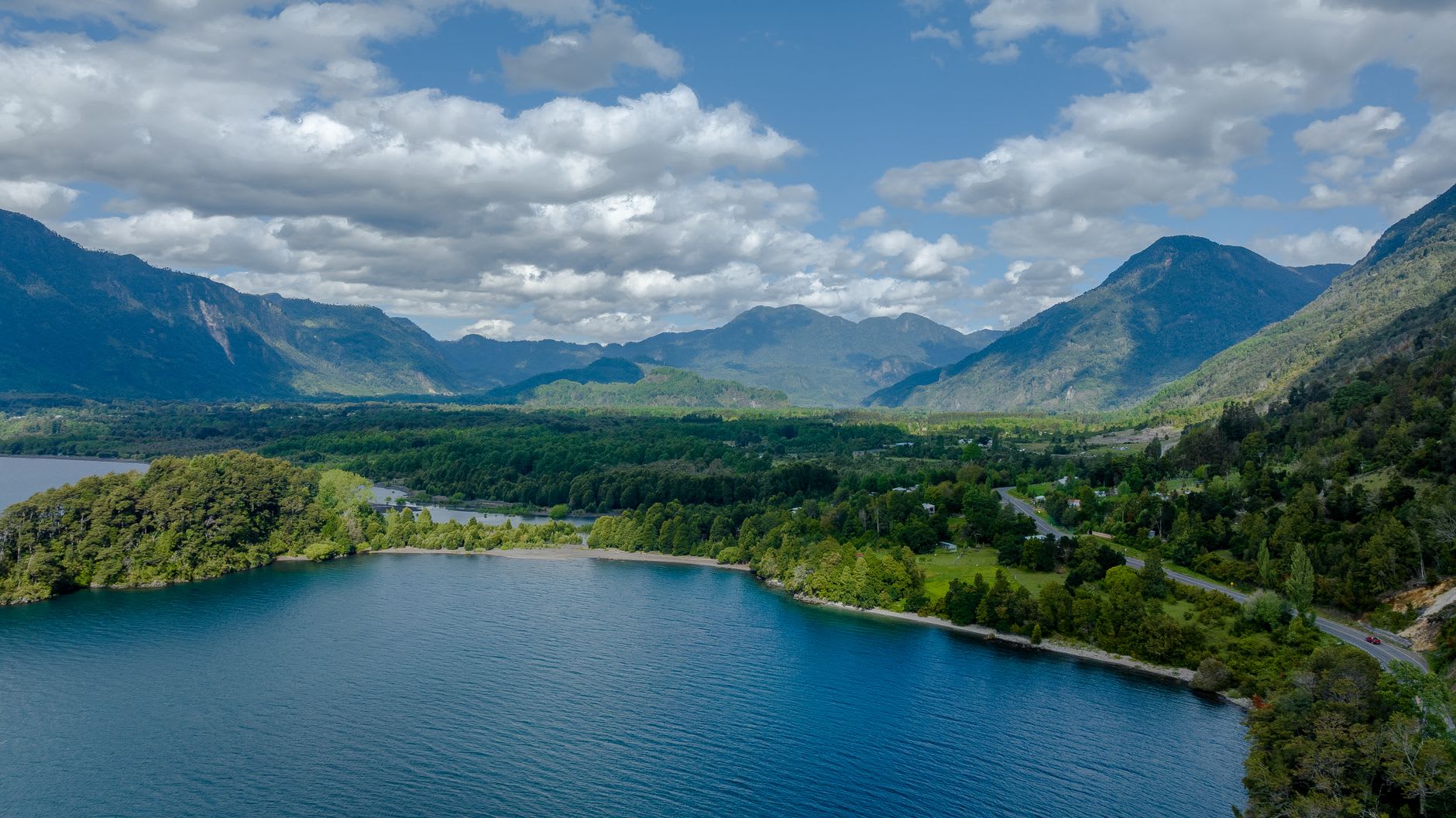
The village has around five hundred residents and a history bound entirely to the cypress trade. The wood was harvested from the surrounding fjords and islands for decades, and the boardwalks themselves are both the result of that industry and its most lasting legacy. Today the economy has shifted toward fishing and the modest but growing tourism that the Carretera has brought. There are a handful of hospedajes and one or two places to eat, and the owners of both overlap significantly — the woman who made my bed also made my dinner, a fish soup with potatoes and cilantro that she brought to the table in the same clay pot she’d cooked it in.
Getting anywhere in Caleta Tortel requires paying attention to tide and topography. The boardwalks climb and descend following the natural contours of the fjord edge, and some sections have stairs steep enough to require handrails. Sections of the network are built over open water — the walkway suspended five or six meters above the tidal zone — and in the morning, watching the mist rise off the fjord while sitting at the edge of a walkway with my feet dangling, I had the strong and accurate sensation of being inside something too specific to be a metaphor.
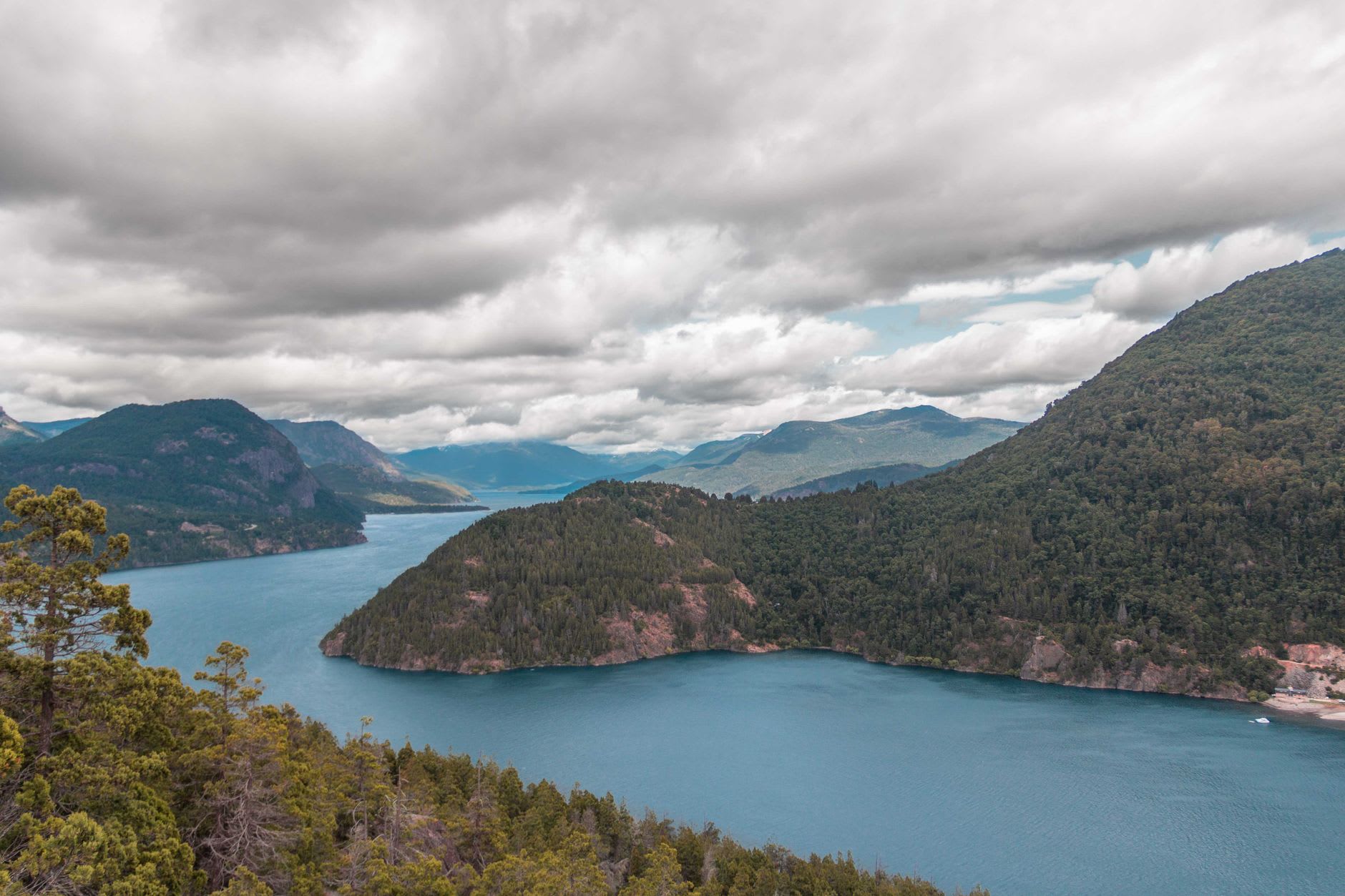
The walks to the outlying islands — Isla de Los Muertos has a small cemetery from a mysterious early-20th-century tragedy involving a group of workers whose fate was never fully explained — require hiring a local boatman. Mine was a quiet man of about sixty who wore rubber boots and a cap and responded to my questions with the economy of someone for whom talking about things that happened a hundred years ago is less interesting than the weather forecast. He got me to the island and back before noon and charged me what I considered nothing.
When to go: November through March. The approach road south from the Carretera junction is manageable in good conditions but becomes treacherous in heavy rain. January sees the most visitors; March offers quieter conditions and the beginning of autumn color in the surrounding lenga beech. Avoid any season when the access road is wet without a reliable 4x4.