Wellington
"The wines here don't need to tell you how good they are. They just are."
I found Wellington by accident, the way you find most good things in the Winelands. I’d been heading toward Paarl on the N1 and took a turn that the map suggested led toward a producer a friend had mentioned. The road angled northeast into the Limiet Mountains and suddenly there was a valley I hadn’t known existed — vineyards running along both sides, a town at its centre that seemed to be operating at a remove from the wine tourism circuit entirely. No wine tram. No tasting-room queues. Just farms and a main street with a hardware store and a deli and a coffee shop where the owner refilled my cup without asking.
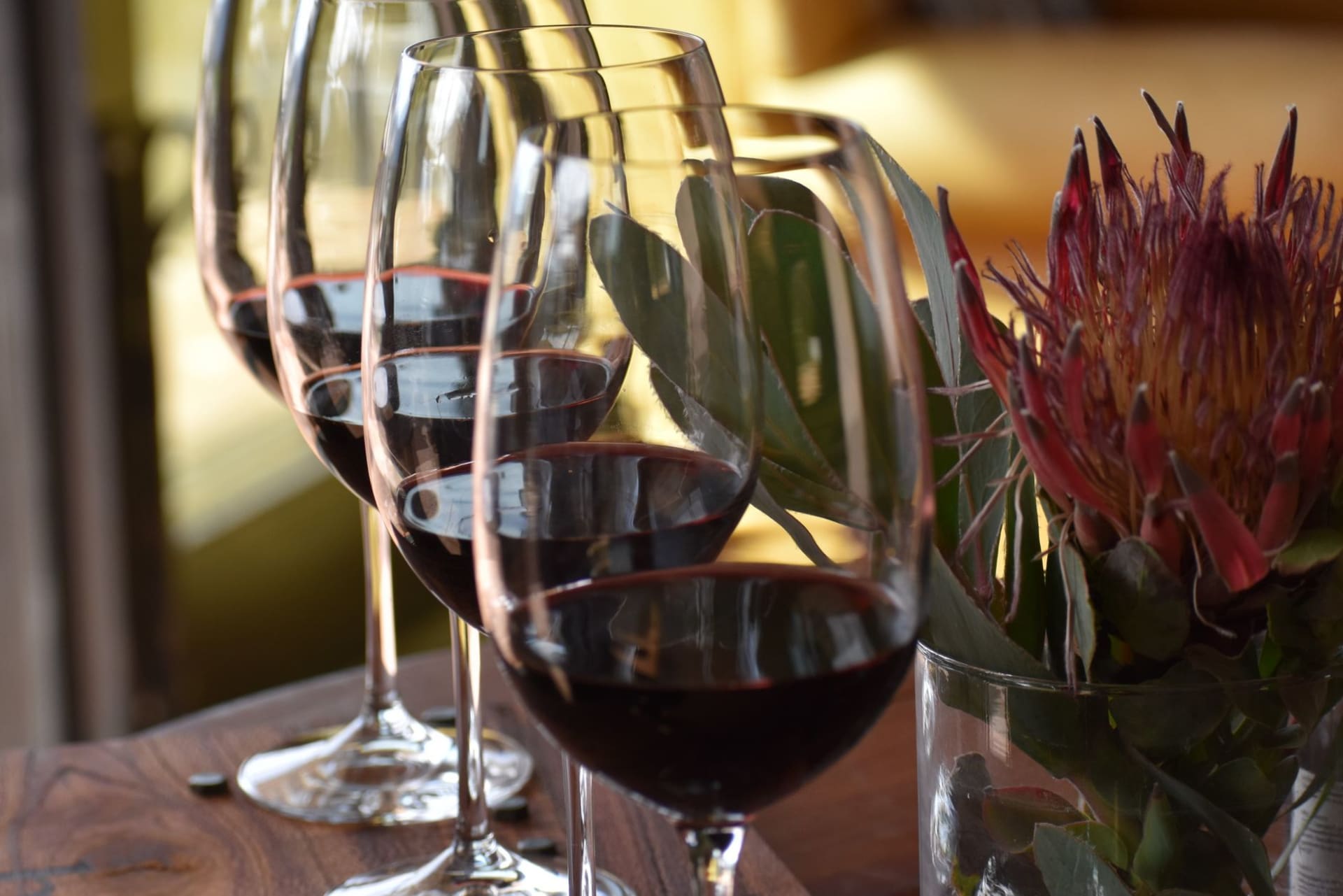
Wellington has been making wine since the 1690s — almost as long as Franschhoek — but it has never acquired the theatrical overlay that makes Franschhoek feel sometimes like a film set for its own history. The farms here are working farms in a way that isn’t quite true of the more famous wine towns. Bosman Family Vineyards has been in the same family for seven generations and farms some of the oldest Chenin Blanc vines in the Cape, bush vines that are over sixty years old and produce clusters so small they look like they’re already concentrating themselves. When I tasted their Heritage range with the winemaker in the cellar, I understood something about the relationship between age and restraint that I hadn’t quite grasped from books.
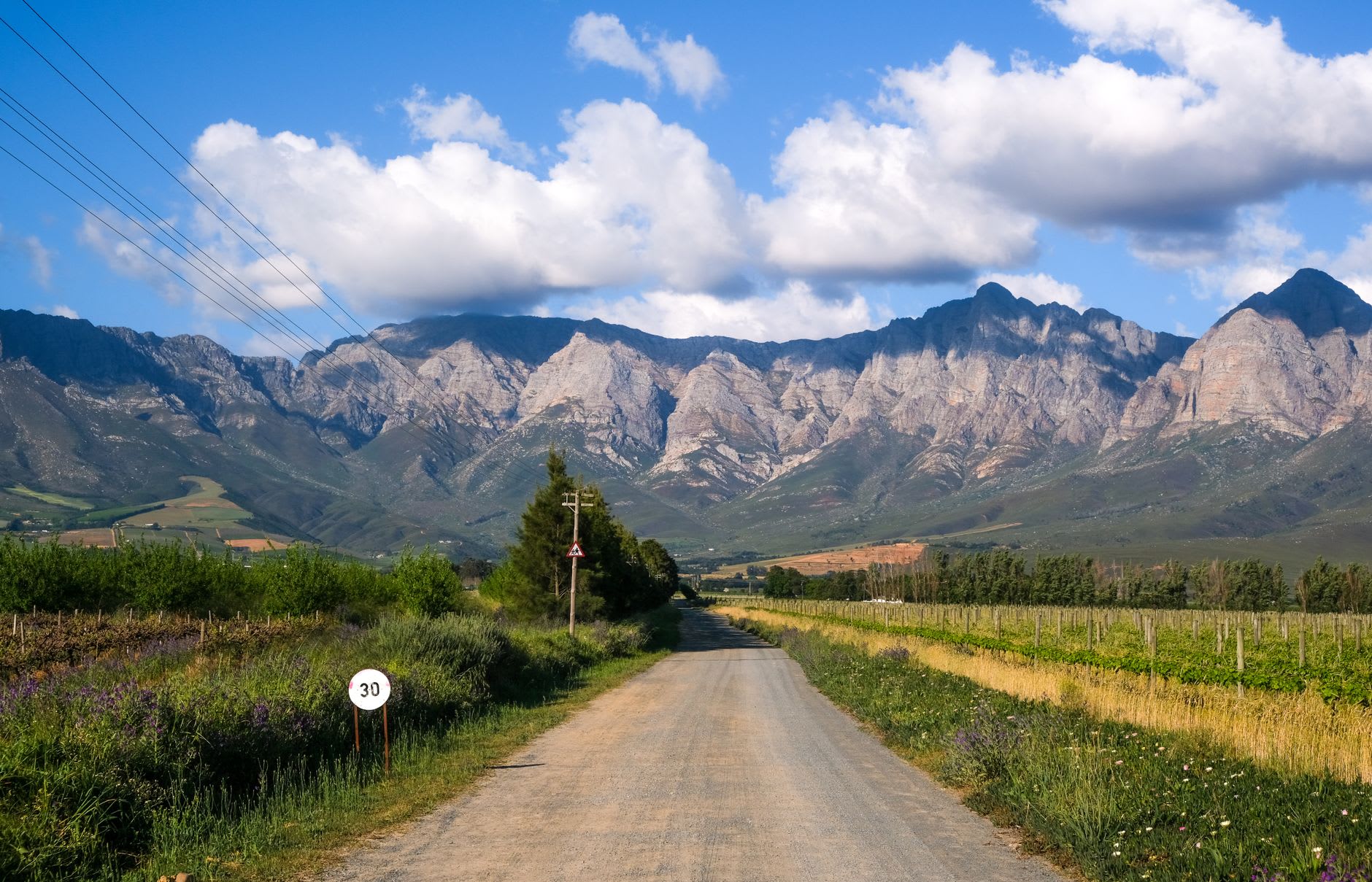
The Limiet Mountains above Wellington create a kind of wall that traps cool air in the valley and generates a diurnal temperature variation — hot days, cold nights — that winemakers in warmer regions would pay serious money to replicate. The resulting wines have an acidity that isn’t sharp but structural, the kind that makes you want to eat alongside the glass rather than sip in contemplation. The food pairings at most of the estates here are accordingly direct: charcuterie, aged cheeses, bread baked from farm grains. No architectural foam.
Diemersfontein is the other name that matters, famous for its coffee-and-chocolate Pinotage that divided opinion when it launched — too rich for the traditionalists, too deliberate for the naturalists, exactly right for everyone else. Their tasting room has the comfortable ease of a farm that has been hosting people for decades, and the views from the terrace across the valley toward the distant Bainskloof Pass are the kind you find yourself rearranging your chair to maximise.

The drive out through Bainskloof Pass toward Ceres is worth doing even if you have no intention of going to Ceres. The road climbs through mountain fynbos in a series of switchbacks that seem architecturally overambitious and then delivers you to a pass-top view that justifies every gear change. The rock colours here — rusted oranges and greys — are unlike anything in the valley below, and the wind at altitude carries the smell of protea and something colder that I couldn’t name.
When to go: Wellington rewards year-round visits but is particularly good in autumn (March–May) when the vine leaves turn and harvest energy lingers in the cellars. Spring (September–October) brings wildflowers to the mountain slopes. December and January are busy across the Winelands, but Wellington retains more local character than Franschhoek or Stellenbosch on those same days.