Tulbagh
"The earthquake knocked it flat in 1969. They rebuilt every facade from old photographs. And it still feels real."
Tulbagh sits in its own mountain amphitheatre, a valley that opens only to the south and is ringed on three sides by the Winterhoek, Witsenberg, and Elandskloof ranges. The drive in from the junction near Wolseley is one of the great approaches in the Western Cape — the road dead-ending at the valley because there is nowhere else to go, the mountains getting closer and more vertical until you understand that this is genuinely the end of the road, and Tulbagh is what you find when you get there. I stopped the car at the edge of town on my first visit and sat for a moment before getting out, which I don’t normally do, because the view of the valley from that angle had the quality of something that deserved acknowledgment.
The earthquake of September 1969 shook the valley so hard that Church Street — the town’s historic spine, lined with Cape Dutch and Georgian houses from the eighteenth and nineteenth centuries — was almost entirely destroyed. What followed was one of the most meticulous restoration projects in South African architectural history. Old photographs, survey records, and the memories of residents were used to rebuild thirty-two historic facades, one by one, over the following years. Standing on Church Street now, walking past the whitewashed gables and the teak shutters and the small-paned windows with their hand-blown glass, the knowledge of what happened makes the street feel not fake but determined — a community that rebuilt its own memory, building by building.

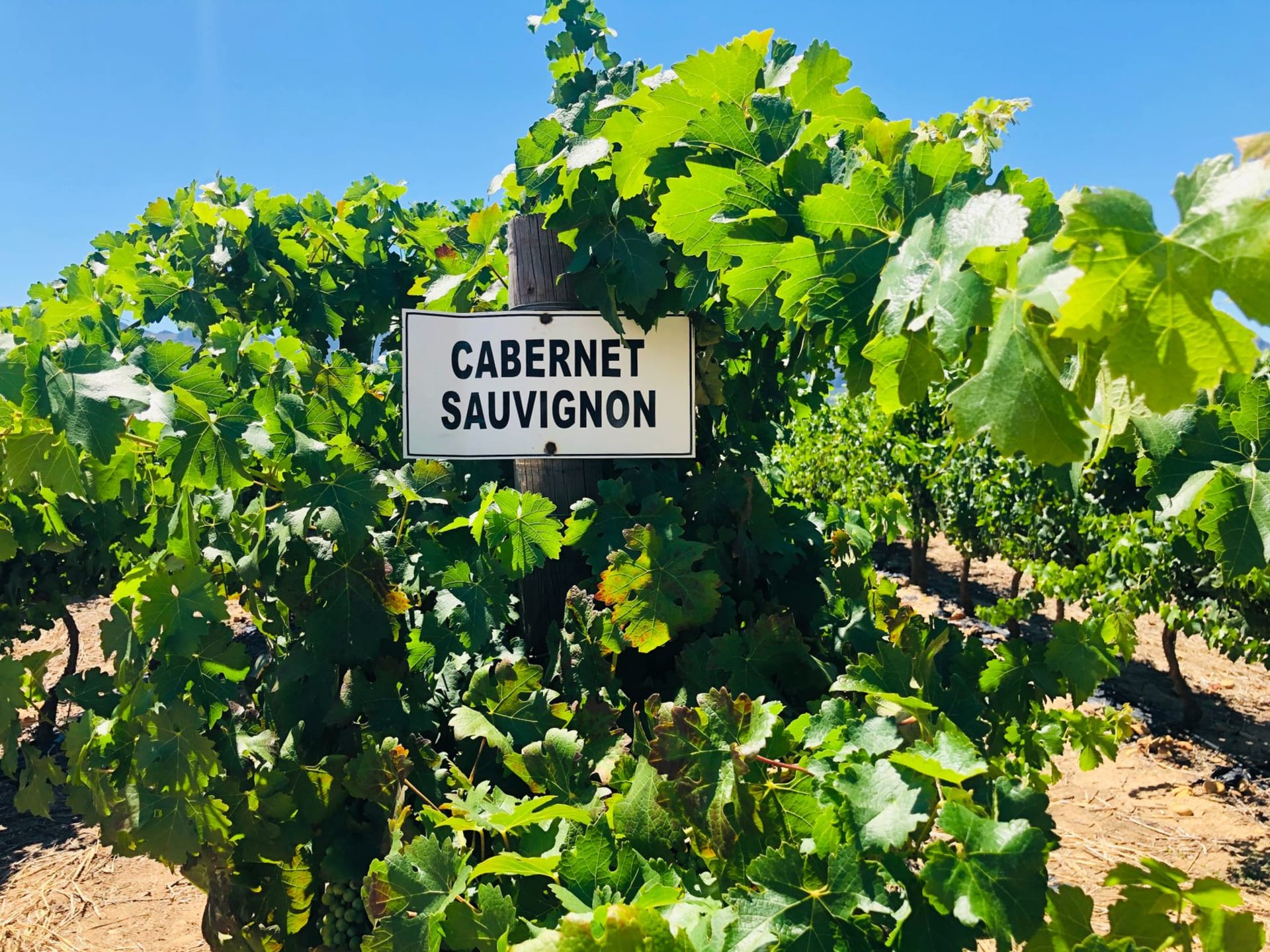
The wine valley around Tulbagh produces some of the Western Cape’s most underrated bottles. The climate here is more extreme than in Stellenbosch or Franschhoek — hotter in summer, colder at night, and with less maritime influence from the Atlantic. That thermal amplitude translates into wines with concentrated fruit and bracing natural acidity. Saronsberg makes a Syrah in this valley that smells of violets and white pepper before it even reaches your lips. Twee Jonge Gezellen produces sparkling wines by the methode cap classique that could pass as Champagne in a blind tasting and cost a fraction of what the French would charge.
The Olive Factory, just outside town, grows, mills, and bottles olive oil on the premises and serves tastings with bread and local charcuterie in a room overlooking the groves. I spent two hours there on a Thursday afternoon in April and emerged significantly more educated about polyphenol levels and oleic acid percentages than I had any practical need to be. The oil itself was extraordinary — cold-pressed and bitter in the particular way that good oil always is, which tastes wrong for thirty seconds and then starts to taste like the thing everything else has been missing.

In winter, the Witsenberg peaks carry snow visible from the village green. In spring, almond trees blossom white across the valley floor before the vines wake up, and the contrast of white blossom and brown mountain rock against a blue sky is the kind of scene that makes you reach for a camera and then put it away because photographs can’t hold what the cold air and the silence are doing simultaneously.
When to go: Spring (August–October) is spectacular — almond blossom in August, then the vines pushing new growth in September. Autumn (March–May) brings harvest and copper vine colours. Winter visits reward those willing to wear a jacket: the valley goes quiet, the wine estates are welcoming, and the chance of seeing snow on the Witsenberg peaks is real from June through August.