Helderberg
"The winemaker pointed at the sea and said 'that is the whole secret.' I assumed he was being poetic. He was being literal."
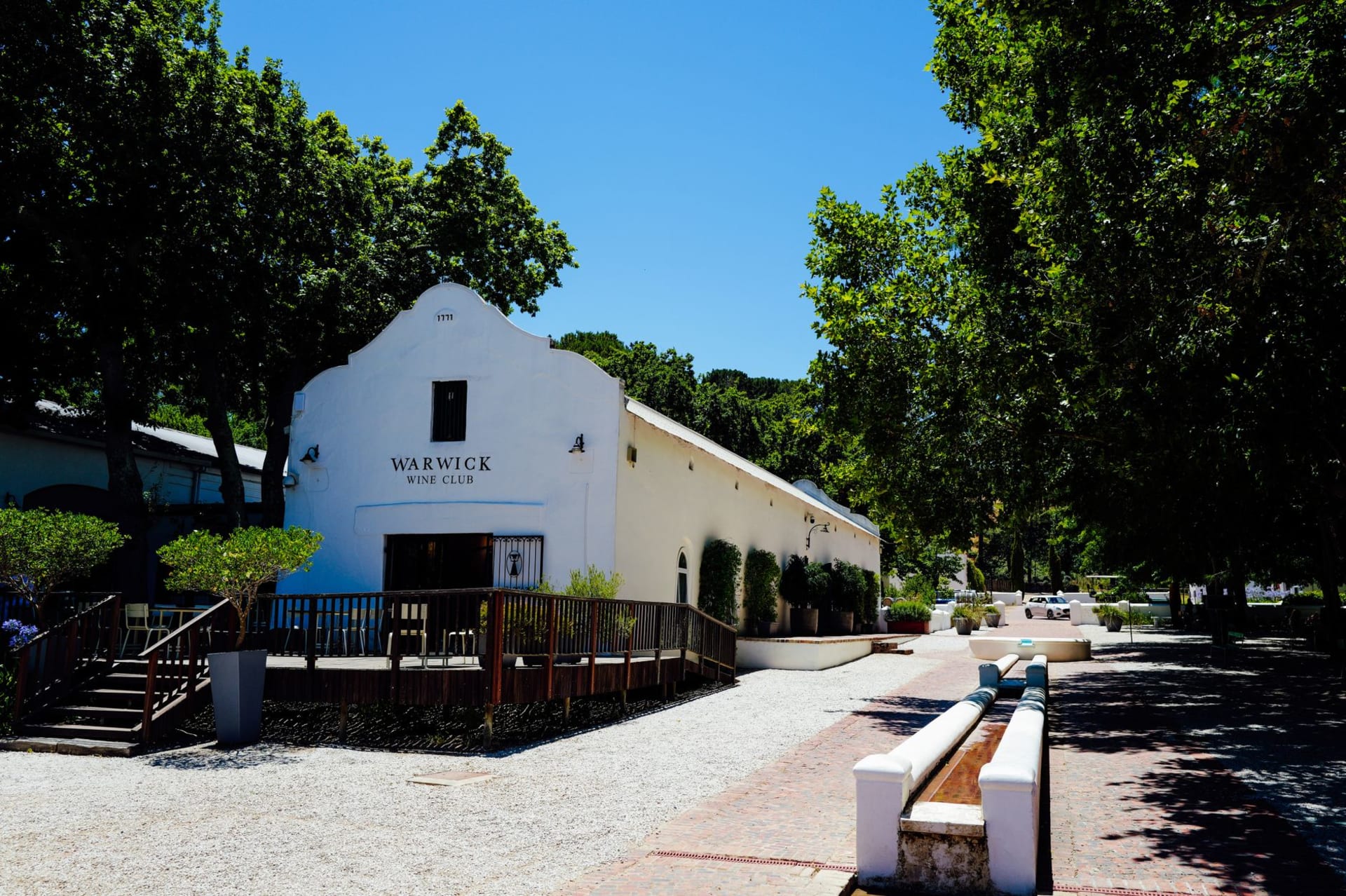
The Helderberg gets overlooked, which is exactly why I liked it. Visitors to the Cape Winelands fixate on Stellenbosch and Franschhoek, and quite right too, but the Helderberg — the cluster of estates spread across the lower slopes of its namesake mountain above Somerset West — sits slightly off that well-worn circuit and rewards the small effort of getting there. The mountain itself is the first thing you notice: a great brooding wall of grey granite that catches cloud on its summit and throws afternoon shadow down over the vines. We drove out from Cape Town with no fixed plan beyond a vague intention to taste a few wines, which is the correct way to approach the Helderberg, because the pleasure here is in wandering rather than ticking off famous names.
The sea in the glass
What makes the wine here distinctive is the proximity of False Bay, which sits just below the vineyards, close enough that on a clear day you can see the water from the tasting rooms. The cool maritime air rolls up off the bay in the afternoons and slows the ripening, and the winemakers will tell you — some poetically, some with the flat conviction of people stating a fact — that this is the whole secret of the region. One of them at a small estate stood with us at the edge of his vineyard, pointed down at the glittering bay, and said “that is the whole secret,” and I assumed he meant it as a flourish until he explained the temperature curves and the harvest dates and I realized he meant it as plainly as a man describing his plumbing. The reds here, the Cabernets and the blends, have a structure and a freshness that genuinely tastes of that cool air, or at least I convinced myself it did, which at a certain point in a tasting is the same thing.

Lunch, a dog, and a slow afternoon
We ended up at a small family estate for lunch, the kind of place with a long shaded terrace, a resident dog of indeterminate breed and total confidence, and a kitchen that did three things well rather than thirty things adequately. Lia, who claims not to care about wine and then quietly out-tastes everyone, found a Chenin Blanc she liked so much we bought two bottles we then had to carry around for the rest of the trip. The afternoon stretched out the way good Winelands afternoons do — slowly, generously, the mountain shadow creeping across the vines, the dog falling asleep under the table, the bay turning silver as the light went. Nobody hurried us, and we did not want to be hurried, and eventually we drove back to the city through the golden end of the day slightly drunk on the place as much as the wine.

When to go: The Cape summer and early autumn, from November through April, are ideal — warm, long days perfect for terrace lunches, with harvest energy running through the estates from February into March. The winter months of June through August are green, quiet, and often wet, but the estates stay open and the off-season calm has its own appeal, with fires lit indoors and far fewer cars on the wine routes. Avoid driving if you intend to taste seriously; arrange a driver or pace yourself with the spittoon you will pretend you were always going to use.