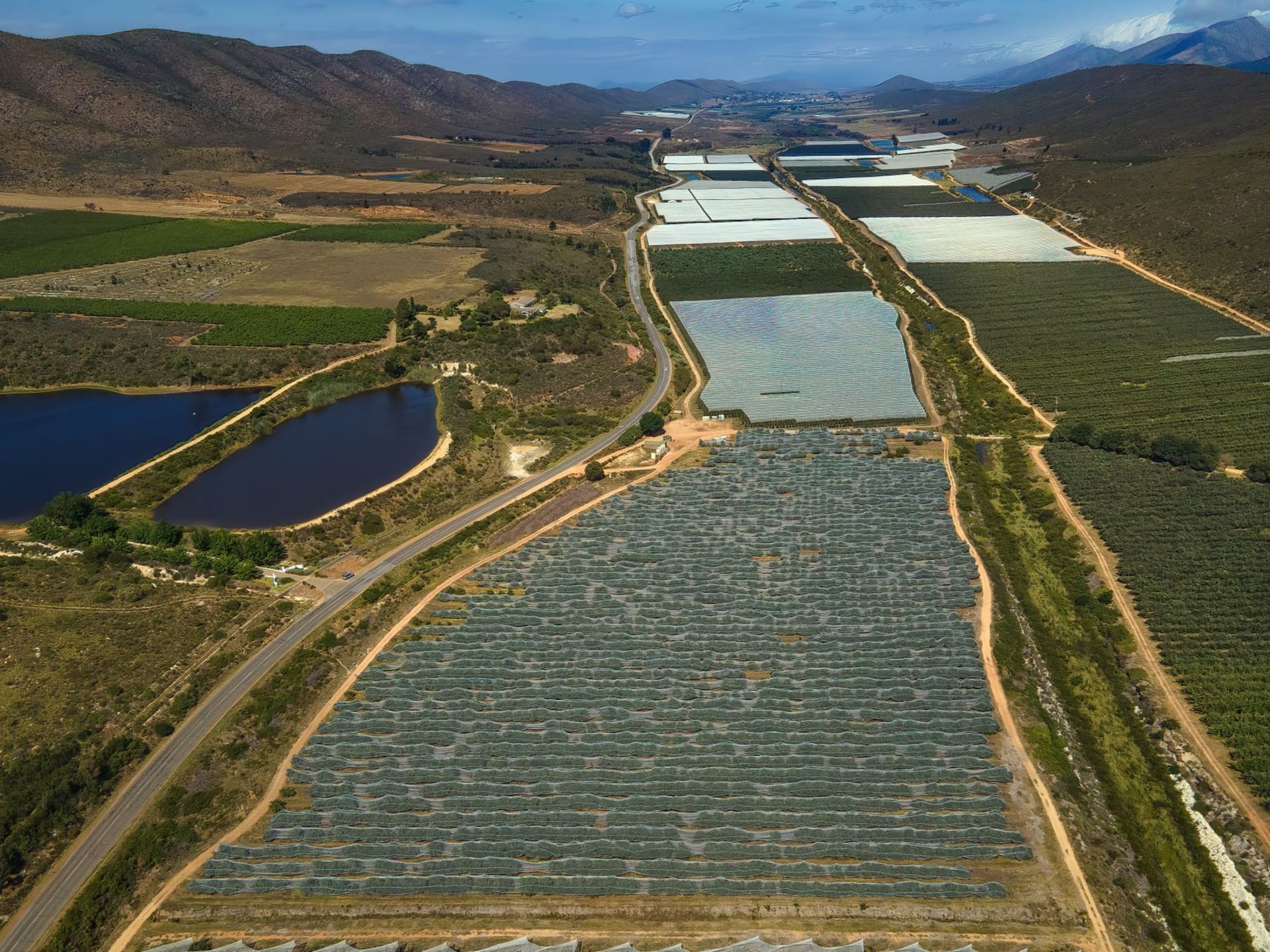
Banhoek Valley
"Half the tourists drive straight through without stopping. The other half discover their favourite estate in the Winelands."
I almost missed Banhoek entirely. It sits on the R310 between Stellenbosch and Franschhoek, an eleven-kilometre stretch of mountain valley so narrow in places that the granite walls seem close enough to touch from the car window. Most people drive it as a connecting road, accelerating through the valley’s serpentine course to get to whichever famous wine town lies at the other end. I stopped because a handwritten sign pointed toward a cellar I didn’t recognise and I was low on plans. Three hours later I came out carrying wine I hadn’t expected to find and with the conviction that the Banhoek Valley was doing something genuinely particular.
The landscape is the first thing. The valley’s walls are granite and sandstone, streaked with dark water stains from streams that run off in winter, and so close on both sides that the valley floor — where the vineyards grow — exists in a quality of light that shifts constantly as the sun moves through the narrow sky. Morning comes late and afternoon ends early. The result is a growing environment with long shade hours and intense midday heat, a combination that concentrates flavour in ways the more open Stellenbosch vineyards can’t quite replicate.
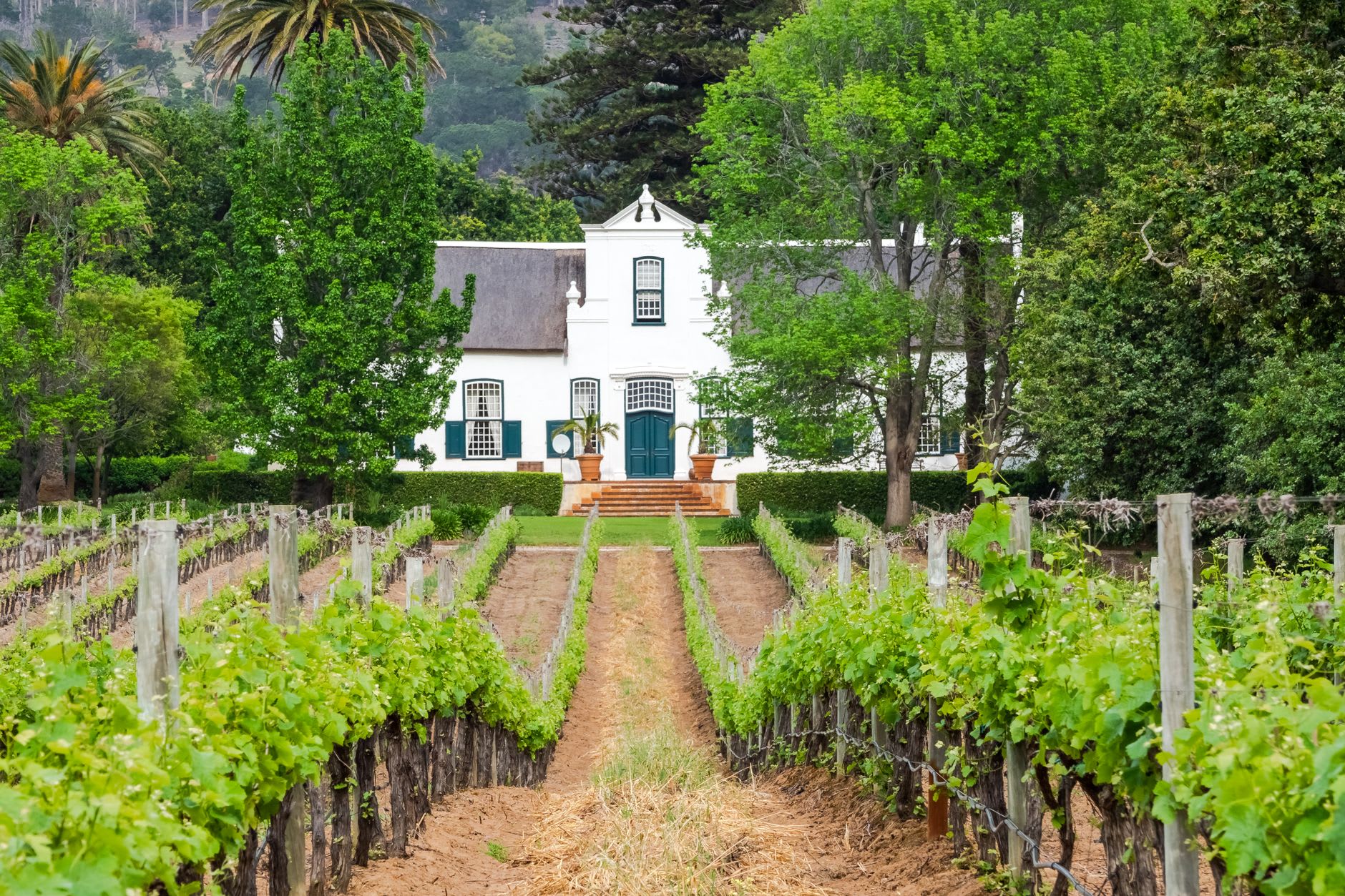
Boekenhoutskloof, which sits at the Franschhoek end of the valley, is the estate that first gave Banhoek an international name. Their Syrah — and particularly the single-vineyard expression from the old granite soils here — is one of the wines I use to explain what South African Syrah can do when it isn’t trying to be Australian. It has a savouriness, a meatiness, that is pure Northern Rhône in spirit and entirely South African in execution. The estate is not particularly designed for tourism, which makes it feel appropriately serious. You taste at a table, not a bar, and the person pouring knows the farming history of every block.
Waterkloof, with its dramatic glass-and-steel winery suspended on the mountain slope, is visible from the road and easy to mistake for an architecture project rather than a working farm. But the biodynamic approach here is genuine — they plough with horses, compost with obsessive care, and let the natural yeasts on the skins do the fermentation work that other estates trust to inoculated cultures. The result is wines that taste alive in a way that’s hard to articulate but immediately recognisable when you taste them alongside something less carefully made.
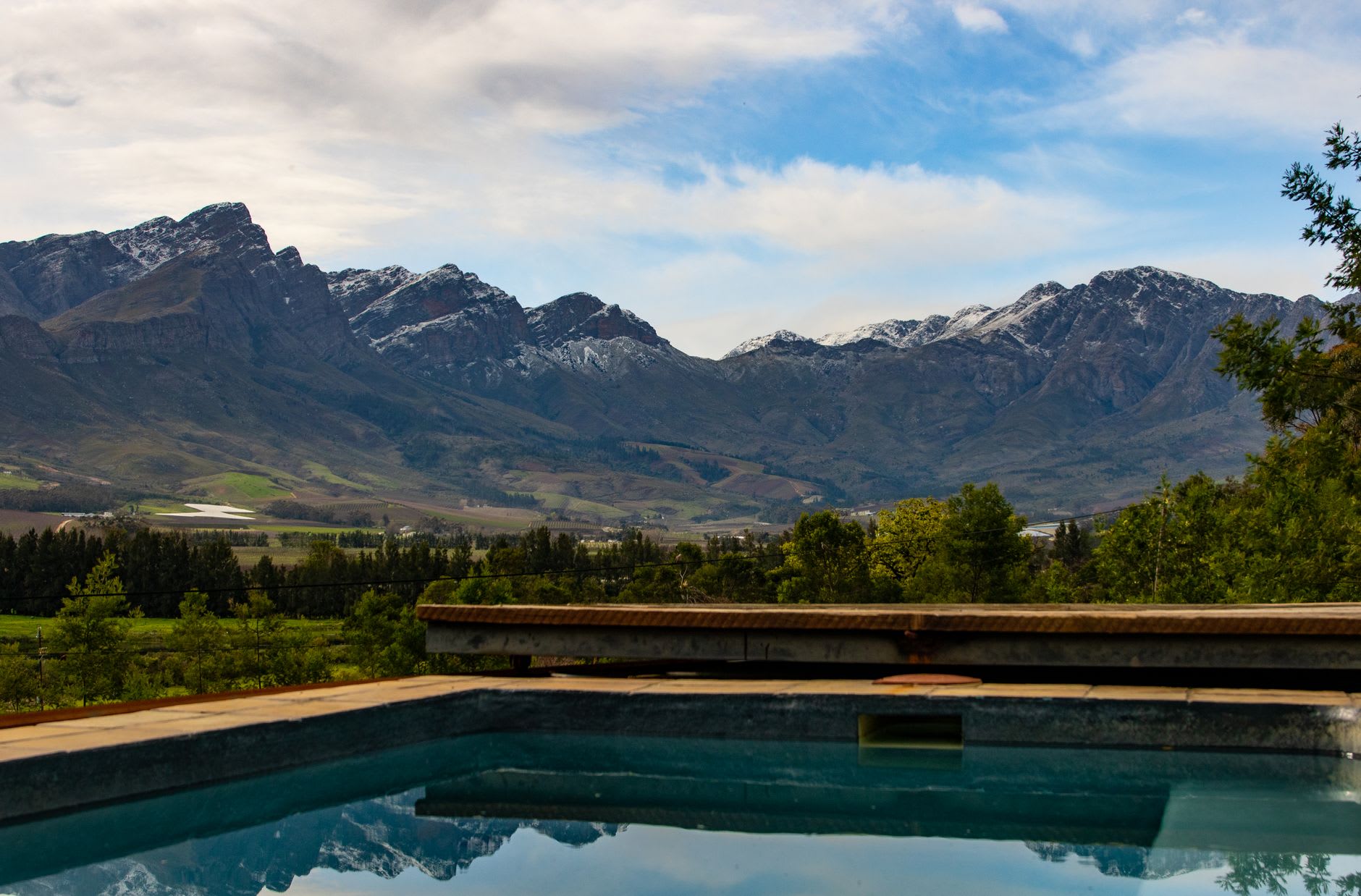
The valley has no village, no main street, no market. There is a community of farm workers living in cottages at the valley’s edges, a few guesthouses tucked into the mountain slopes, and the estates themselves. This absence of infrastructure is what keeps Banhoek good — it hasn’t been able to build a tourist experience around itself, so what you find is just wine farms, mountains, and the particular quality of silence that exists in a narrow valley when the wind drops and the birds stop and nothing is performing.
When to go: Year-round, but most dramatic in autumn (March–May) when the vine leaves turn copper and the granite walls change colour in the long afternoon light. The winter streams (June–August) fill properly and small waterfalls appear above the valley — worth the cold air. Summer is hot in the valley floor but the mountain shadow arrives earlier than in the open Winelands, making late afternoon surprisingly pleasant.