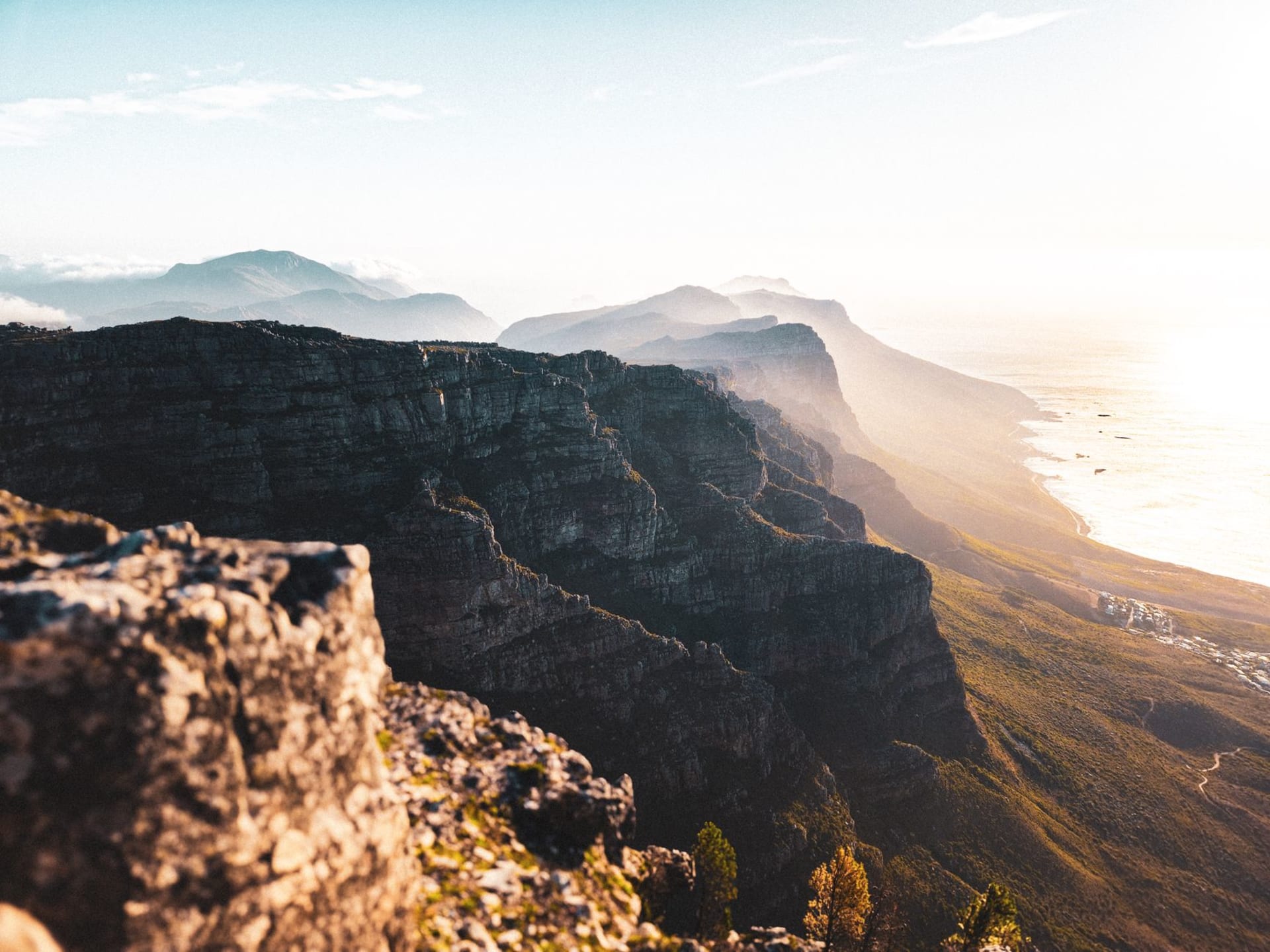
The first thing I noticed in Kommetjie was that nobody seemed to be in a hurry. Surfers carrying boards walked slowly toward the beach in the early morning as if the ocean had been there before and would be there later. A dog followed them at a comfortable distance without being asked. The general atmosphere was of a place that had arrived at some agreement with itself about what it was and had no further business with ambition or appearances.
Kommetjie sits on a rocky point at the northern end of Long Beach, an eight-kilometer stretch of sand that runs south toward Scarborough. On big swell days — when the south-west groundswell wraps around Oakhurst Point — the waves at Kommetjie reach genuine big-wave scale, and the spot draws surfers from across South Africa and occasionally from abroad. On small days the beach is excellent for walking and the water, while cold (this is the full Atlantic, no softening influence), is swimmable in the calmest sections. Most days fall somewhere instructively in between.
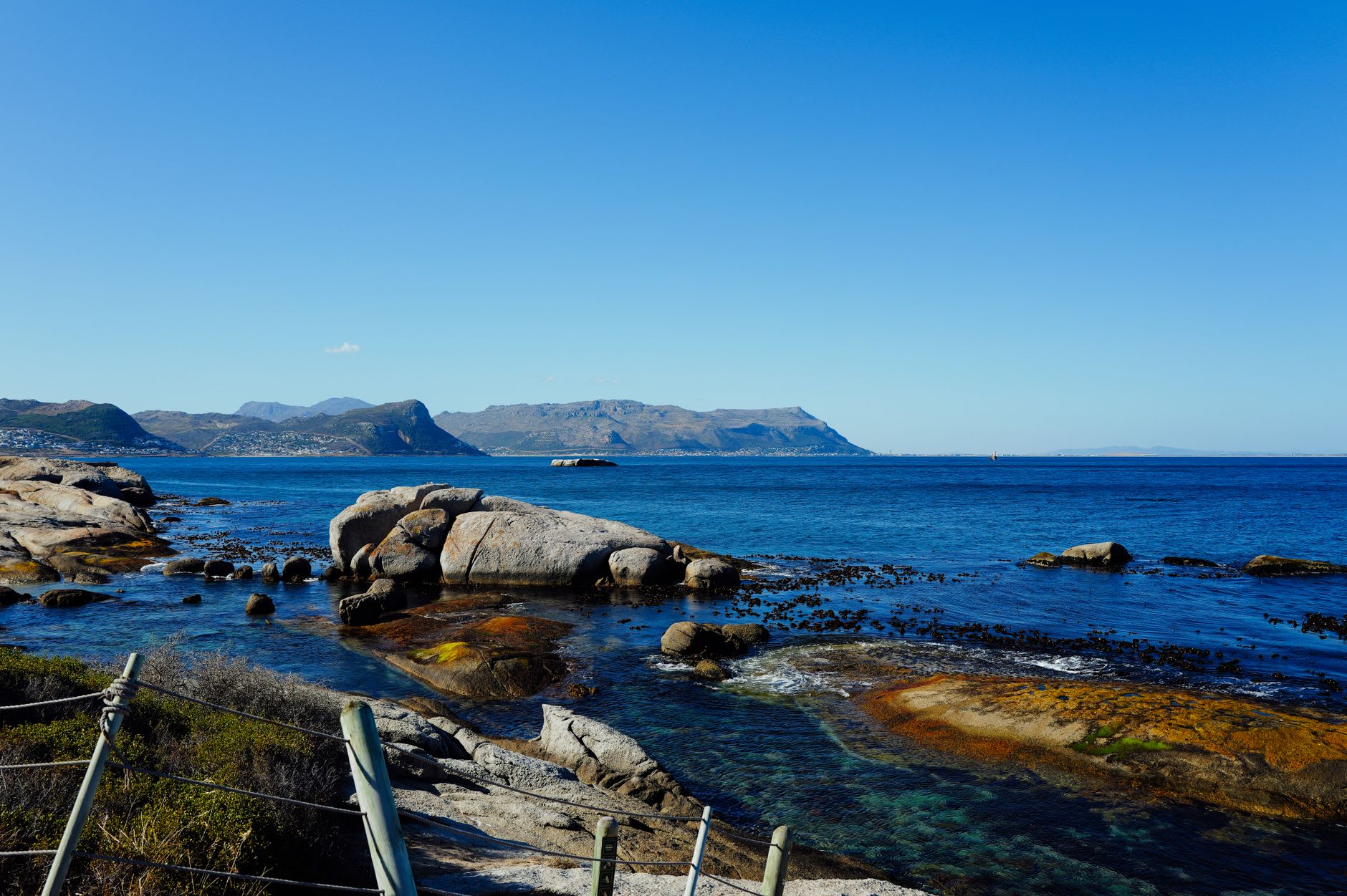
The old lighthouse at Kommetjie — Slangkop Lighthouse — is one of the tallest cast-iron lighthouses in South Africa, a white column visible from Long Beach and from the road. It was built in 1914 in response to several significant shipwrecks on this stretch of coast, where the Benguela Current brings cold, upwelling water from the depths, and with it the mist and the unpredictable weather that made navigation hazardous for centuries. The lighthouse is open to visitors on certain days, and the view from the top — the full arc of Long Beach, the mountains behind, the open ocean extending west — is worth every step of the stairs.
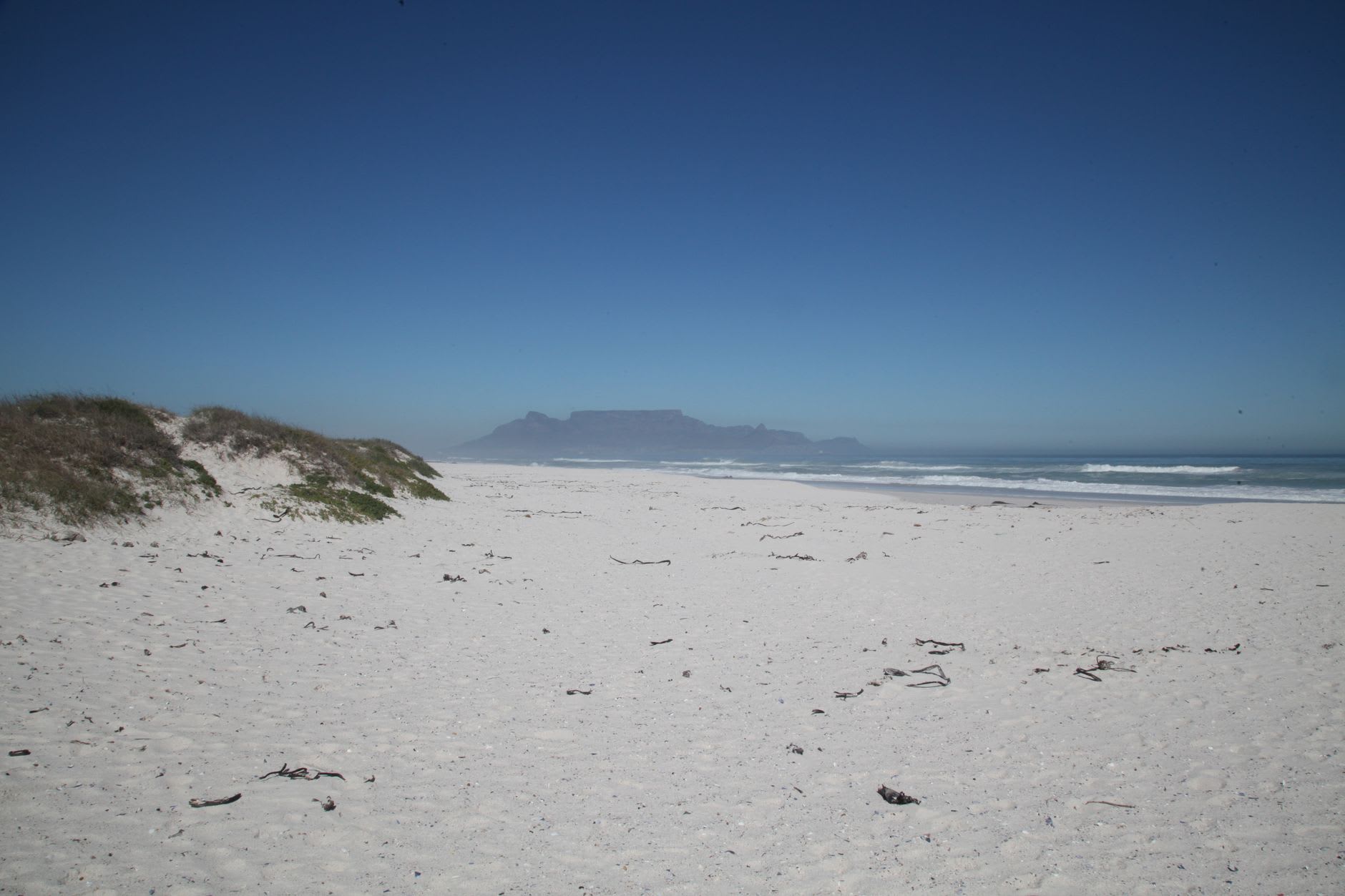
The village itself is small, contained, and quiet in a way that feels chosen rather than accidental. A few cafes and a surf shop. Houses on dusty streets close to the beach. An air of managed simplicity that I’ve found in surf towns in other parts of the world — the Basque coast, parts of the Algarve — where the wave is the point and everything else organizes around it.
North of the village, a coastal path runs toward Imhoff Farm — an old wine estate converted into workshops, a restaurant, and a camel-riding operation that seems to operate on its own private logic — and the walk through coastal wetlands and fynbos takes about an hour and can be very quiet on weekdays. The wetlands hold waterbirds in surprising quantity: African spoonbills, pied kingfishers, herons working the shallow edges.
When to go: For surfers, May to September brings the biggest swells and the best conditions at the point. For everyone else, October to April is warmer and clearer, though cold-water wetsuits are recommended for swimming year-round. The lighthouse is generally open on Saturdays — call ahead to confirm before building a morning around it.