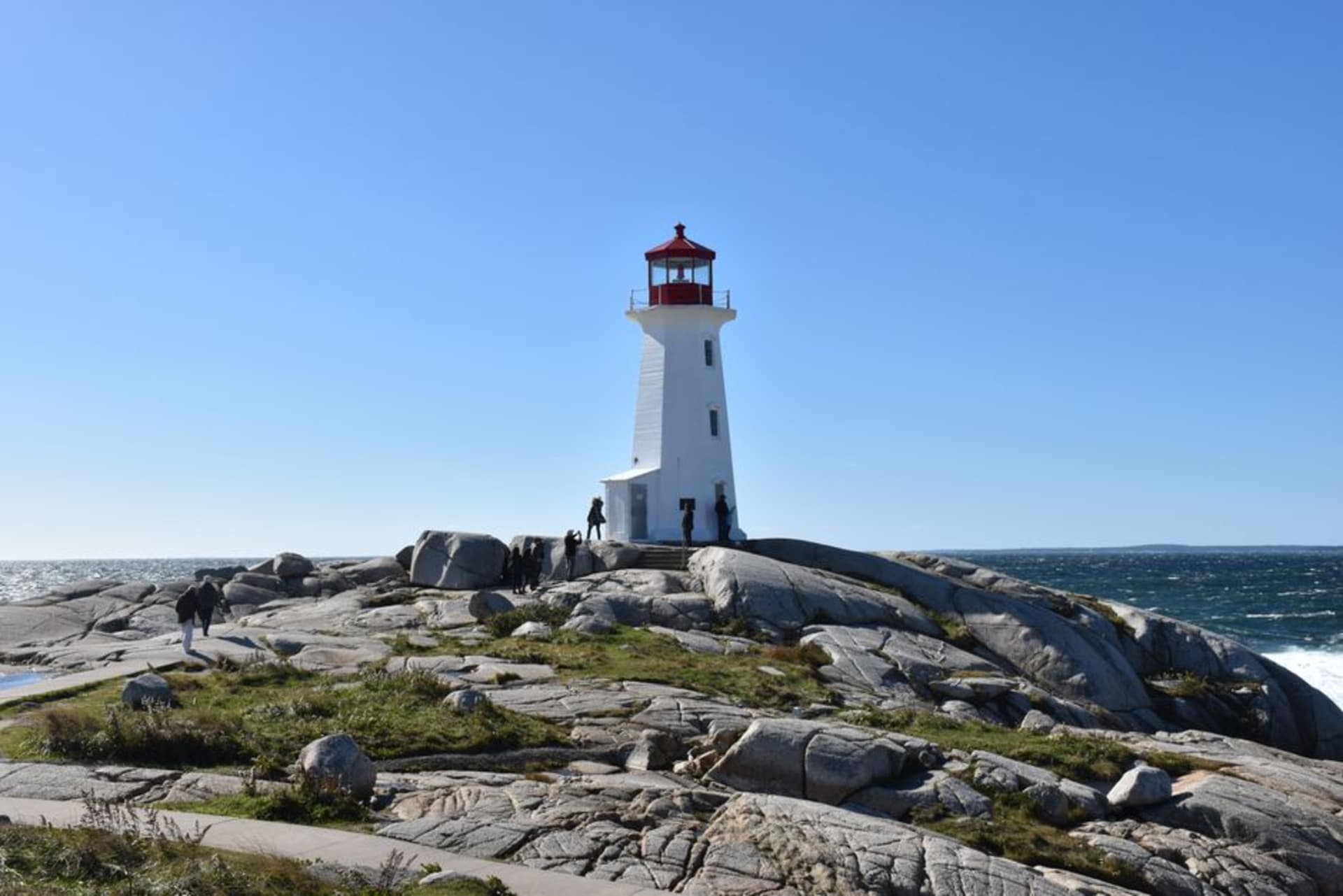
Peggy's Cove
"Every photographer in Canada has stood on this exact rock. None of them prepared me for the wind."
A working fishing village of a few dozen souls, built around a lighthouse on wind-scoured granite, carrying both Canada's most photographed view and one of its heaviest memorials.
Peggy’s Cove is small enough that I walked its entire waterfront in under fifteen minutes, and famous enough that I had seen its lighthouse in photographs long before I ever considered visiting Nova Scotia. Neither fact prepared me for arriving at seven in the morning, ahead of the tour buses, and finding the red-and-white lighthouse standing alone on a shelf of granite so smooth and wind-polished it looked poured rather than eroded. The rock is billion-year-old bedrock, scraped bare by glaciers and then sanded further by an Atlantic wind that never really stops; I had to lean into it walking toward the point, and the lighthouse keeper’s old warnings about rogue waves sweeping people off these rocks — engraved now on a memorial plaque — suddenly made complete sense rather than sounding like standard tourist-board caution.
The village itself is real, not staged, which is the detail that won me over. Maybe thirty-five people live here year-round, and the working harbour still holds lobster boats that go out before dawn, their catch sold from a shack on the wharf to whoever shows up early enough. I bought a lobster roll from a woman who, it turned out, had grown up in one of the clapboard houses overlooking the cove and had watched the tourist buses multiply over her lifetime with what seemed like genuine, weary affection for the place rather than resentment.
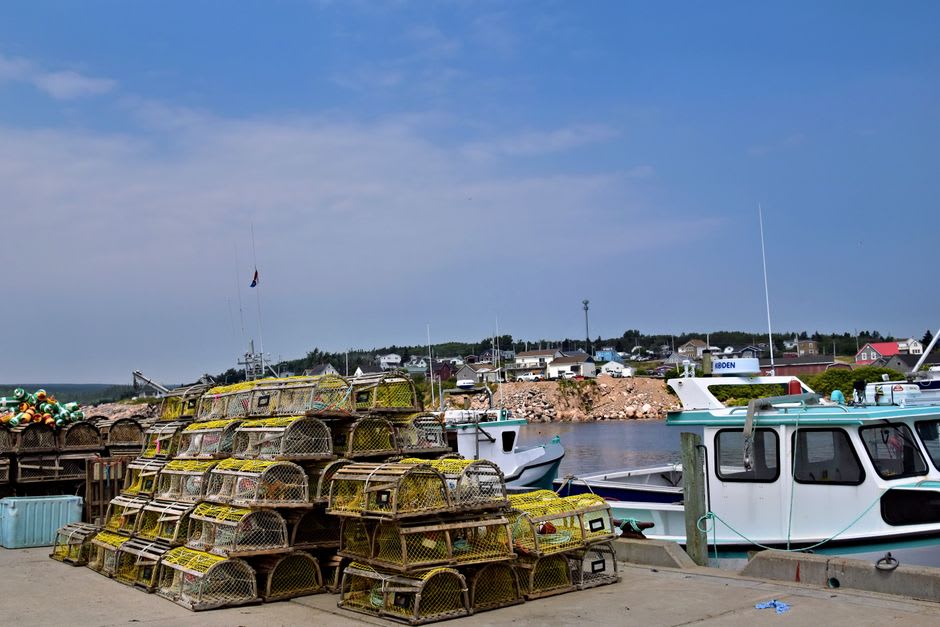
The Swissair Memorial
A few kilometres from the lighthouse, along a quiet coast road, sits a memorial I had not known to expect: two granite markers overlooking the water off Peggy’s Cove, commemorating the two hundred and twenty-nine people who died when Swissair Flight 111 crashed into the ocean nearby in September 1998. Local fishermen were among the first responders, going out in their own boats into the dark to search for survivors and, eventually, recovering what they could of the wreckage and the victims. Standing at that memorial, waves breaking on the same rocks that make the lighthouse so photogenic a few minutes’ drive away, the cove’s beauty and its capacity for danger sat side by side in a way that felt honest rather than exploited — the memorial is understated, granite and silence, no plaques dramatizing the tragedy beyond stating who was lost.
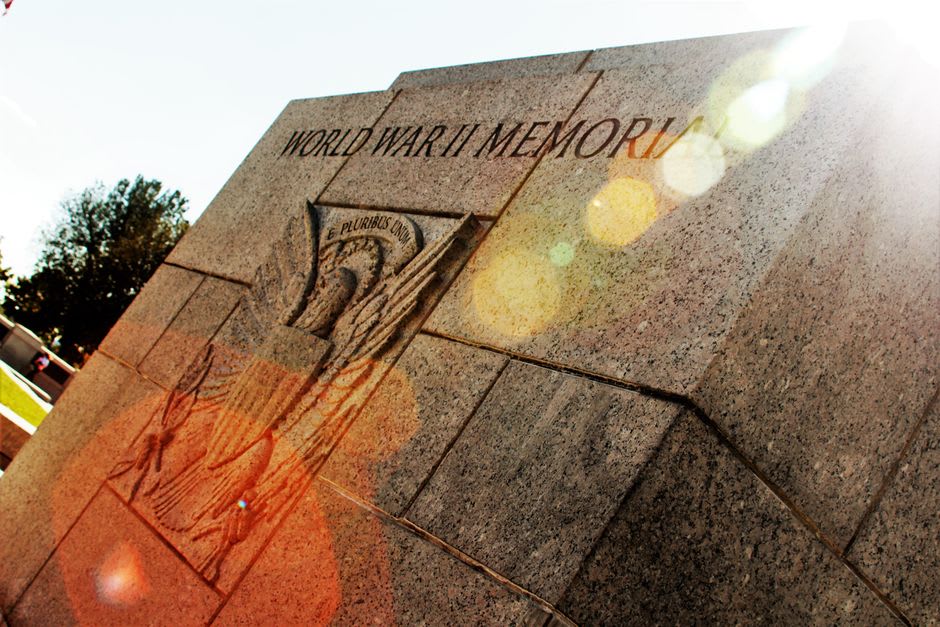
Rocks That Bite Back
Every guide and every sign at Peggy’s Cove repeats the same warning, and I understood why within minutes of watching the swell: the black rocks closest to the water look identical to the dry granite further up, but they are perpetually wet from the surf and treacherously slick, and rogue waves here have swept unsuspecting visitors into the Atlantic with no warning at all. I watched a father pull his son back by the collar from a rock that looked, to my eye, perfectly safe. The warnings are not decorative.
When to go: Early morning, ideally before nine, to see the lighthouse without a tour-bus crowd and to catch the best light on the granite. Visit between May and October for calmer weather, and never step past the dry, lighter-coloured rock regardless of season.