Pacific Rim National Park Reserve
"This is the edge of the continent taking its job seriously — rainforest on one side, open Pacific on the other, nothing polite about the handoff."
Where the temperate rainforest of Vancouver Island collides with the full force of the Pacific — surf, storm-watching, and a shoreline that never quite stops moving.
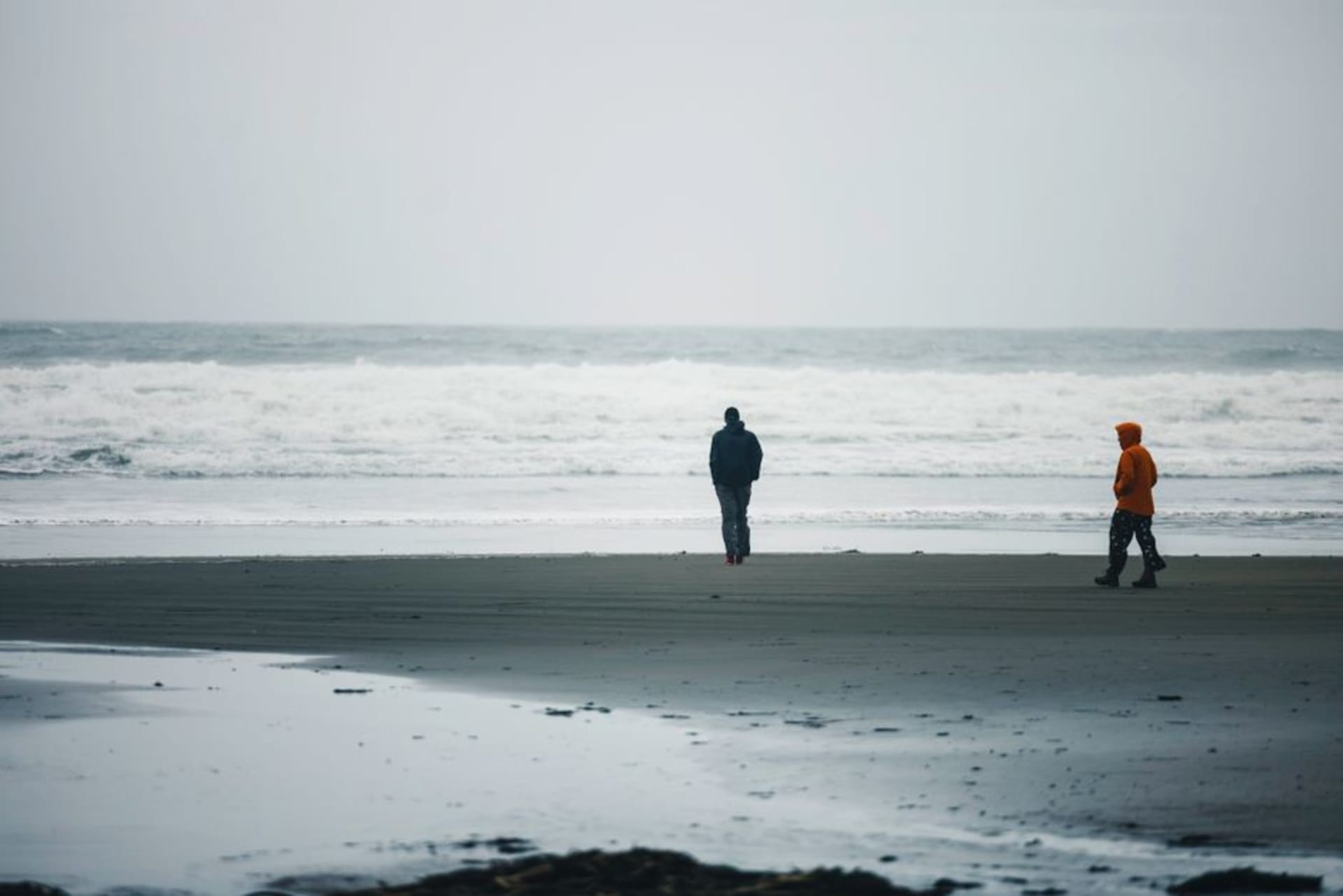
I got to Long Beach after a drive across Vancouver Island that took longer than the map suggested it should, the road narrowing and curling through hemlock and cedar so dense the light went green. Then the trees broke and there it was — sixteen kilometres of grey sand, a wall of surf rolling in from open ocean with nothing between here and Japan to slow it down. I stood there for a long minute just listening. It is a different sound than the Mediterranean or the Atlantic beaches I grew up near — heavier, more insistent, like the ocean has somewhere to be.
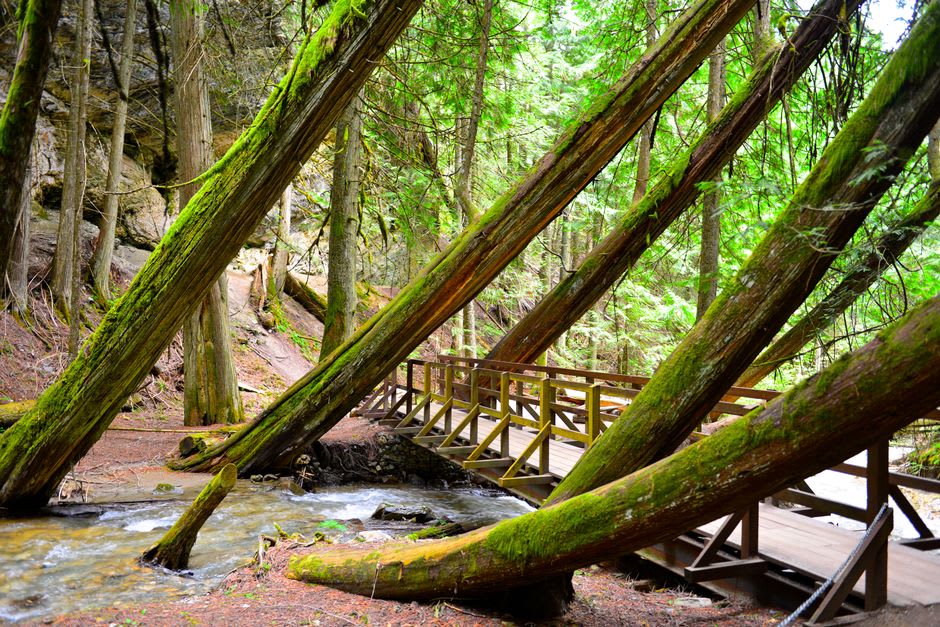
Pacific Rim National Park Reserve is really three places stitched together — Long Beach, the Broken Group Islands, and the West Coast Trail — and I only managed the first properly, which is honestly enough for one trip. The park protects one of the last stretches of intact temperate rainforest on this coastline, and walking the short boardwalk trails through it, past Sitka spruce draped in moss so thick it looks upholstered, you get why. Everything drips. Everything is a shade of green that doesn’t have a name in French or English.
Storm-watching and surf lessons
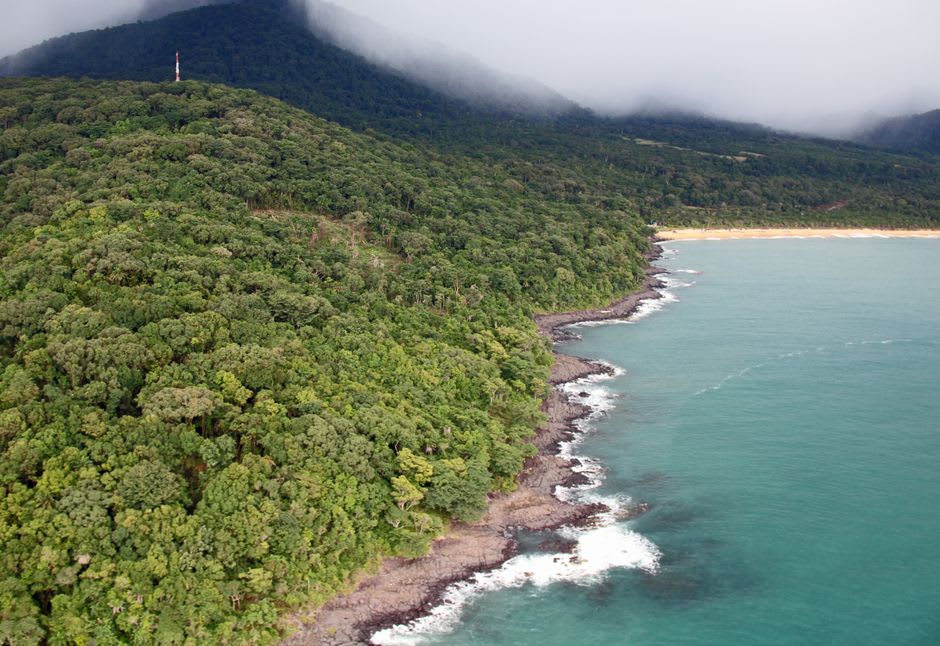
Tofino, at the park’s northern edge, has built an entire identity around winter storms — hotels advertise “storm-watching packages,” which sounded like a marketing gimmick until I actually sat through one. November through February, Pacific fronts slam into the coast with genuine violence, and locals treat it as a spectator sport: floor-to-ceiling windows, a blanket, a mug of something warm, and thirty-foot swells throwing spray over the headlands. I went in July instead and took a surf lesson on Long Beach in a wetsuit thick enough to make me look inflated — the water stays cold enough year-round that neoprene is not optional. I caught exactly two waves in two hours and consider it a personal triumph.
The Wickaninnish Interpretive Centre sits right on the beach and does a quietly excellent job explaining the ecology here — the intertidal zones, the grey whale migration that passes just offshore each spring, the relationship between the Nuu-chah-nulth First Nations and this coastline going back thousands of years before it was ever a park. Standing on the sand afterward, watching a bald eagle work the shoreline for scraps, the whole place felt less like a destination and more like a very old, very functioning ecosystem that tourism happens to be allowed inside of.
When to go: July through September for the mildest weather and best surfing conditions. November through February if storm-watching is the actual point — book a room with a view and lower your expectations for sunshine.