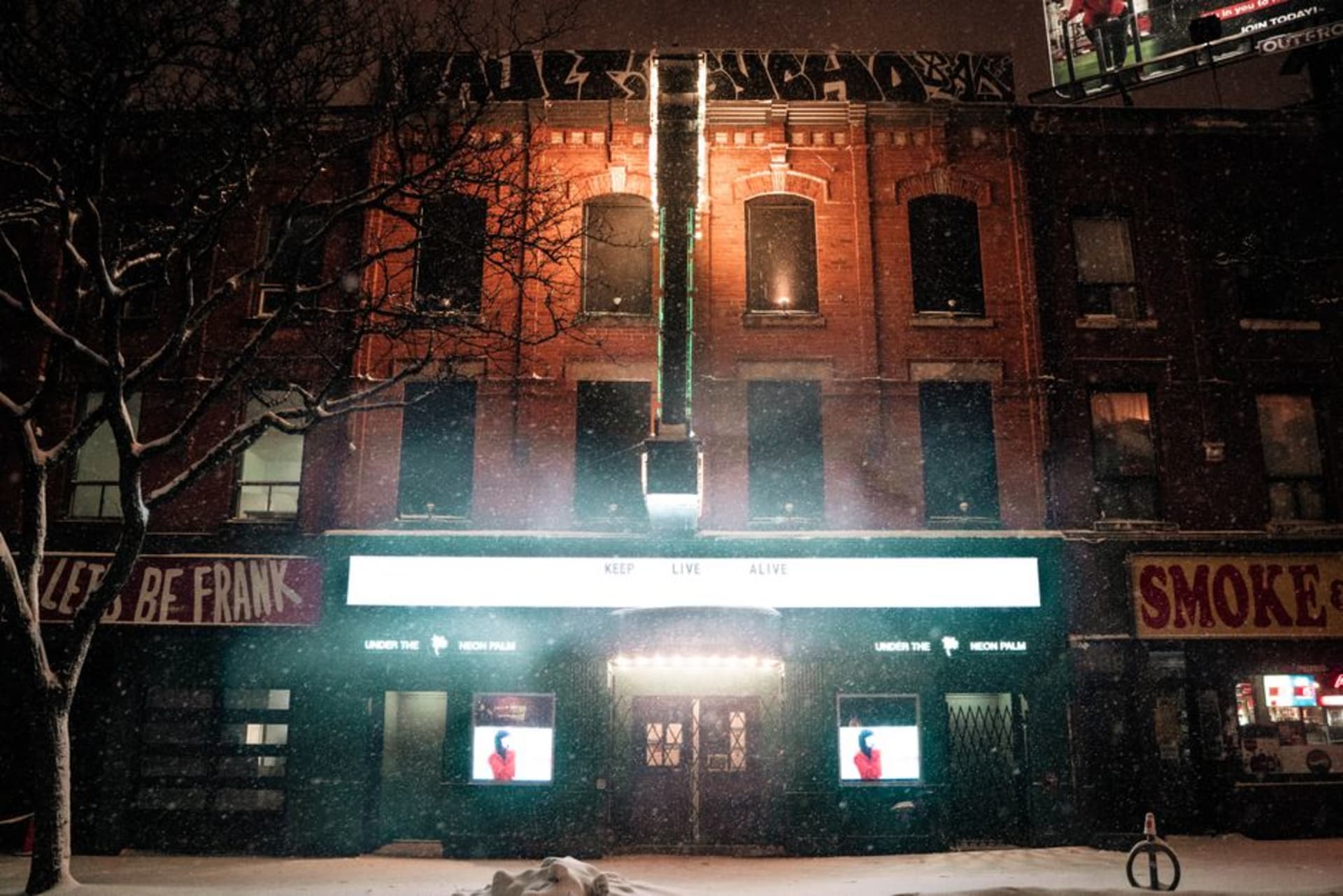
Niagara-on-the-Lake
"Twenty minutes from the Falls and a century away in temperament — this is Niagara with its shirt tucked in."
A genteel Victorian wine town at the mouth of the Niagara River, where clapboard inns and Shaw Festival marquees stand twenty minutes from the world's loudest waterfall.
I drove up from the Falls expecting more of the same — more fudge shops, more neon, more buses idling outside wax museums. Instead the road narrowed, the vineyards started, and Queen Street appeared like a film set: clapboard storefronts painted heritage green and cream, hanging flower baskets on every lamppost, horse-drawn carriages clopping past couples eating ice cream on wrought-iron benches. It took me a moment to recalibrate. This was still Niagara, technically, but it had the manners of a place that had never heard of a souvenir T-shirt cannon.
The town sits at the exact point where the Niagara River empties into Lake Ontario, and that geography explains everything about its character. It was briefly the first capital of Upper Canada in the 1790s, burned to the ground by American forces in the War of 1812, and rebuilt with the kind of stubborn elegance that has kept its Georgian and Victorian buildings intact ever since. I stopped for a coffee and found myself reading a plaque about a militia skirmish while a server refilled my cup without missing a beat — history here is ambient, not curated for effect.
Fort George and the Shaw Festival
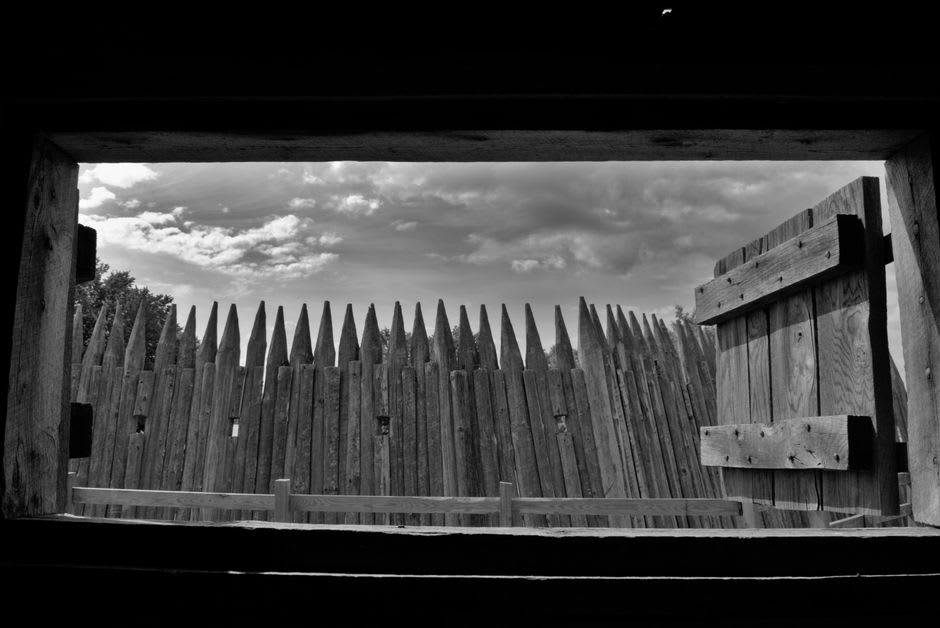
Fort George, restored to its 1812-era wooden palisades, sits at the edge of town overlooking the river toward Fort Niagara on the American side — the two forts basically stared each other down for two centuries. I walked the ramparts at dusk when the site was nearly empty, the fife-and-drum reenactors long gone home, just the river current and a heron working the shallows. It’s a smaller, quieter kind of fort tourism than I expected, and better for it.
The Shaw Festival is the other pillar of the place, running April through October with a rotating repertoire built around George Bernard Shaw and his contemporaries. I caught a matinee at the Royal George Theatre almost by accident, ducking in out of a rain shower, and left converted — the production values were sharper than plenty of stages I’d seen in Paris. The festival has quietly made this a serious theatre town disguised as a garden village, and the crowd filing out afterward, glasses of Ontario Chardonnay in hand at the intermission bar, felt like a different country than the one I’d left at the Falls.
Wine Country at the Door
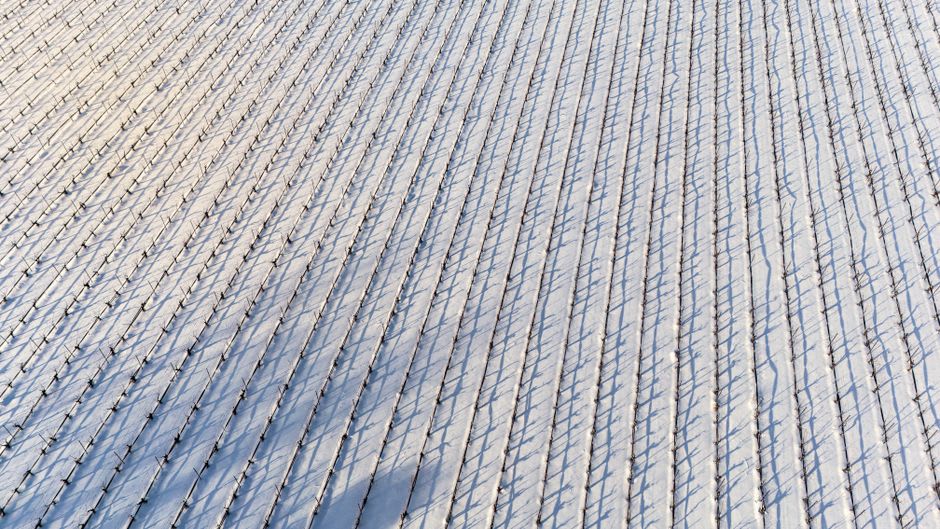
The Niagara Peninsula’s icewine industry is centered almost entirely around this town, and the tasting rooms along the Niagara Parkway make an afternoon disappear fast. I tried an icewine at a small estate winery, skeptical of the sticky-sweet reputation, and it was genuinely one of the best dessert wines I’ve had outside of a Sauternes — grapes picked frozen in the dead of a Canadian December, pressed before they thaw. The lake moderates the climate just enough to make it possible, one of those quirks of geography that turns into an entire regional economy.
When to go: June through September for the Shaw Festival and warm-weather wine touring; late autumn for the icewine harvest and grape-picking festivals, when the vineyards go gold and the crowds thin out considerably.