
Redwood National Park
"I stood at the base of a tree that was already centuries old when Cortés landed and felt, for maybe the first time on this trip, genuinely small."
An old-growth coastal forest holding some of the tallest living trees on Earth, where fog drifts between trunks wide enough to drive a car through.

Redwood National Park is a long way from anywhere, which I think is part of what keeps it from feeling like a park at all — more like you’ve driven off the edge of the map and into somewhere the modern world hasn’t finished arriving. It took Lia and I nearly six hours up Highway 101 from San Francisco, the last stretch hugging cliffs above a gray, foggy Pacific, before the highway finally cut inland into the trees and the light changed completely. That’s the thing nobody quite prepares you for — it’s not just that the trees are tall, some over 350 feet, taller than a football field standing on end, it’s that the light itself becomes a different substance under them, filtered and green and slow.
We walked into Lady Bird Johnson Grove in a thin morning fog, which is honestly the correct condition to see these trees in — full sun feels almost wrong here, too clean. Fog rolling in off the coast is what feeds these forests as much as rain does, condensing on the needles and dripping down, and you can feel the humidity settle on your skin within minutes of leaving the car. It was quiet in a way I wasn’t used to — no birdsong to speak of, just the occasional drip of moisture and our own footsteps on a path softened by centuries of fallen needles.

We drove the Newton B. Drury Scenic Parkway through Prairie Creek, an alternate route that peels off the highway and threads directly through old growth, no development in sight, and stopped when we saw a small herd of Roosevelt elk grazing in a meadow at the forest’s edge, entirely indifferent to the handful of cars that had pulled over to watch. It was one of those moments that felt less like sightseeing and more like being allowed to witness something that would have happened whether or not we showed up.
What stayed with me longest, though, was just putting a hand on the bark of one of the older trees — thick, fibrous, almost soft compared to what I expected — and doing the math on how long it had been standing there. Some of these redwoods are pushing two thousand years old. Less than five percent of the original old-growth redwood forest that once covered this coast still exists; the rest was logged through the nineteenth and twentieth centuries, and this park, cobbled together from what was left, exists at all only because people fought for it in the 1960s. That context changes how you walk through it.

When to go: Late spring through early fall for drier trails and easier access, though the fog that makes the forest so atmospheric is heaviest in summer mornings; expect rain from November through March.
Keep exploring
More from California
 california
San Diego
California's southernmost city, where Mexico is twenty minutes away and the tacos are better than anywhere in the state except on the other side of the border.
Explore california
San Francisco
A city that trades on fog and hills and a peculiar emotional intensity that no other American city has ever managed to replicate.
Explore california
Santa Barbara
A Spanish-colonial coastal city known as the 'American Riviera,' its red-tile roofs and palm-lined boulevards backed by the Santa Ynez mountains.
Explore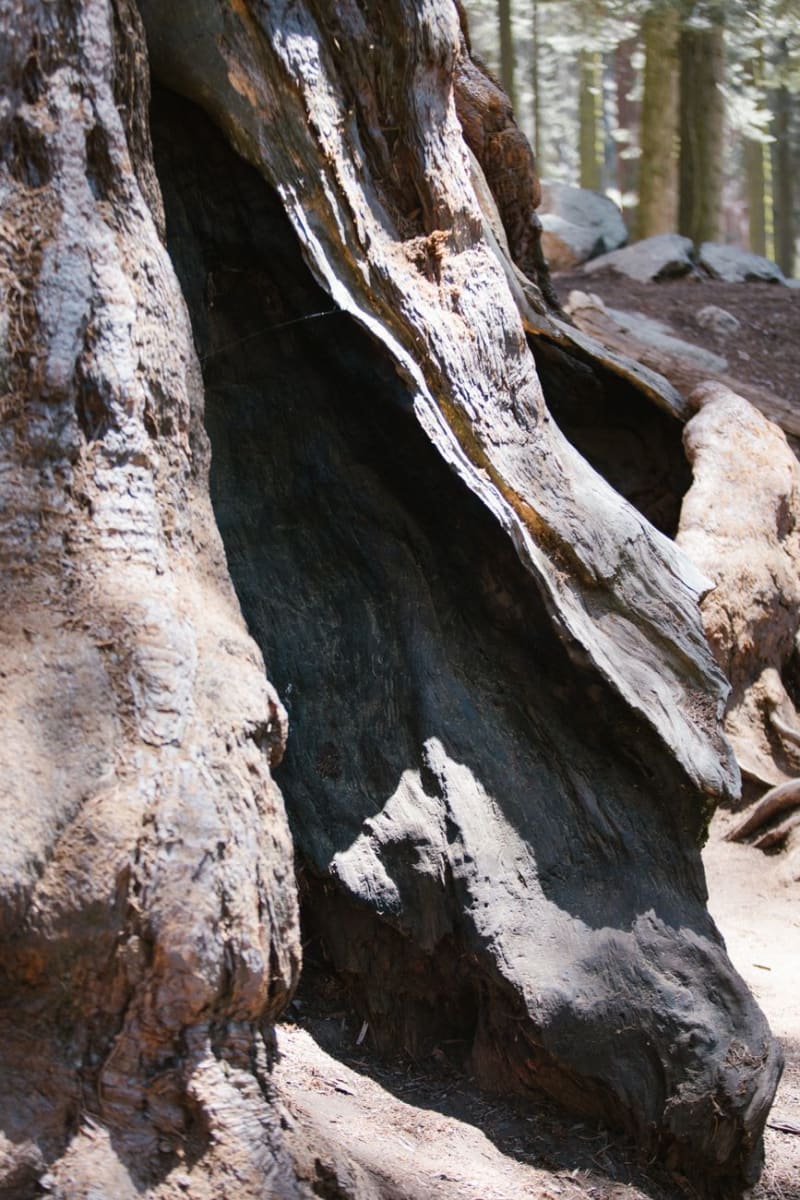 california
Sequoia National Park
A high Sierra park guarding the largest living things on earth, where the trees are so big they break your sense of scale entirely.
Explore california
Sonoma Valley
Wine country that chose charm over prestige and has been rewarded with better food, more honest wine, and none of Napa's Sunday-afternoon traffic.
Explore california
Yosemite
A granite valley so preposterously beautiful that your first instinct is to distrust it, as if the mountains arranged themselves knowing someone was watching.
Explore