
Palm Springs
"I floated on my back in a motel pool at 9pm, the desert air still warm, and could see the outline of the San Jacinto Mountains against a sky that never quite went black."
A midcentury-modern desert resort town long favored by Hollywood's golden-age stars, all flat rooflines, pastel stucco, and swimming pools ringed by mountains.

Palm Springs is one of those places that looks like a movie set because, in a sense, it was built to be one. Lia and I drove in from LA on a January afternoon, the kind of trip where you leave overcast, slightly damp weather behind a mountain pass and arrive somewhere that’s a flat, dry 75 degrees with palm trees lined up like they were placed by a set designer. Frank Sinatra had a house here, so did half of old Hollywood, and you can feel it in the architecture before anyone tells you the history — low, flat-roofed houses with walls of glass, built in the ’50s and ’60s so movie stars could disappear from LA for a weekend without disappearing from comfort.
We stayed at a small motor-court hotel from that same era, the kind with a kidney-shaped pool in the courtyard and doors that open straight onto it, and honestly that was the whole vacation right there — I didn’t need to leave. But we did, mostly to ride the Aerial Tramway, which takes you from cactus-and-creosote desert floor up to pine forest and, in winter, actual snow, in about ten minutes. It’s a genuinely disorienting change of biome, and standing at the top in a jacket looking back down at the desert shimmering in heat below felt like some kind of magic trick.

One afternoon we did the architecture-nerd thing and drove around the older neighborhoods with a self-guided map, gawking at Albert Frey and Richard Neutra houses from the street like a couple of trespassers. Some of them are still private homes, curtains drawn, sprinklers running on cactus gardens that don’t need them; others have been restored and turned into small museums or short-term rentals you can actually book if your budget allows it, which ours didn’t, so we settled for a lot of slow driving and pointing.
In the evening the town does this thing where it empties out of the heat and fills back up with people at outdoor bars, string lights strung over patios, and there’s a specific Palm Springs sound of ice in a glass and a pool filter running somewhere close by. We ate dinner at a taco stand that had been there since the ’70s, sat at a picnic table under a fan palm, and watched the mountains go from tan to pink to that deep purple desert dusk does so well.

When to go: November through April, when daytime temperatures sit in the comfortable 70s and 80s — summer here regularly tops 110°F and is best left to the locals and the pool bars that never close.
Keep exploring
More from California
 california
Redwood National Park
An old-growth coastal forest holding some of the tallest living trees on Earth, where fog drifts between trunks wide enough to drive a car through.
Explore california
San Diego
California's southernmost city, where Mexico is twenty minutes away and the tacos are better than anywhere in the state except on the other side of the border.
Explore california
San Francisco
A city that trades on fog and hills and a peculiar emotional intensity that no other American city has ever managed to replicate.
Explore california
Santa Barbara
A Spanish-colonial coastal city known as the 'American Riviera,' its red-tile roofs and palm-lined boulevards backed by the Santa Ynez mountains.
Explore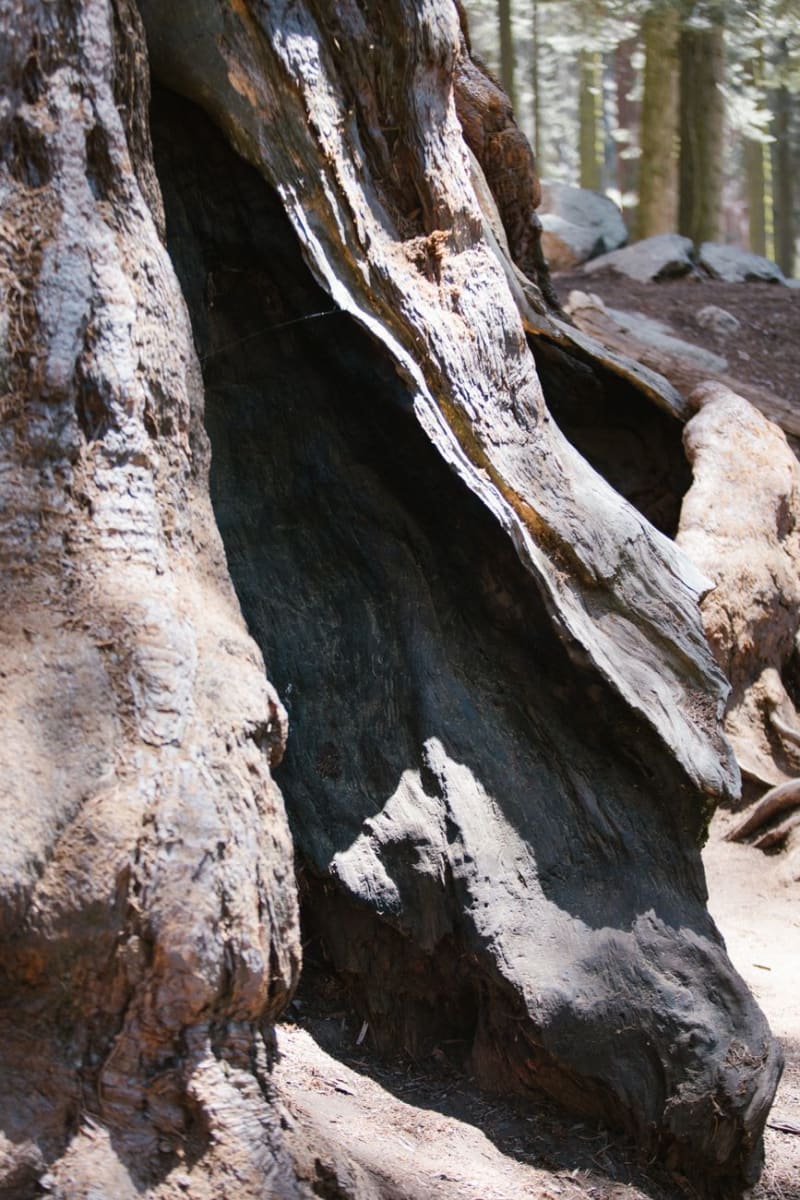 california
Sequoia National Park
A high Sierra park guarding the largest living things on earth, where the trees are so big they break your sense of scale entirely.
Explore california
Sonoma Valley
Wine country that chose charm over prestige and has been rewarded with better food, more honest wine, and none of Napa's Sunday-afternoon traffic.
Explore