Serra Talhada
"This is where the sertão made Lampião, and Lampião made the sertão something the rest of Brazil couldn't ignore."
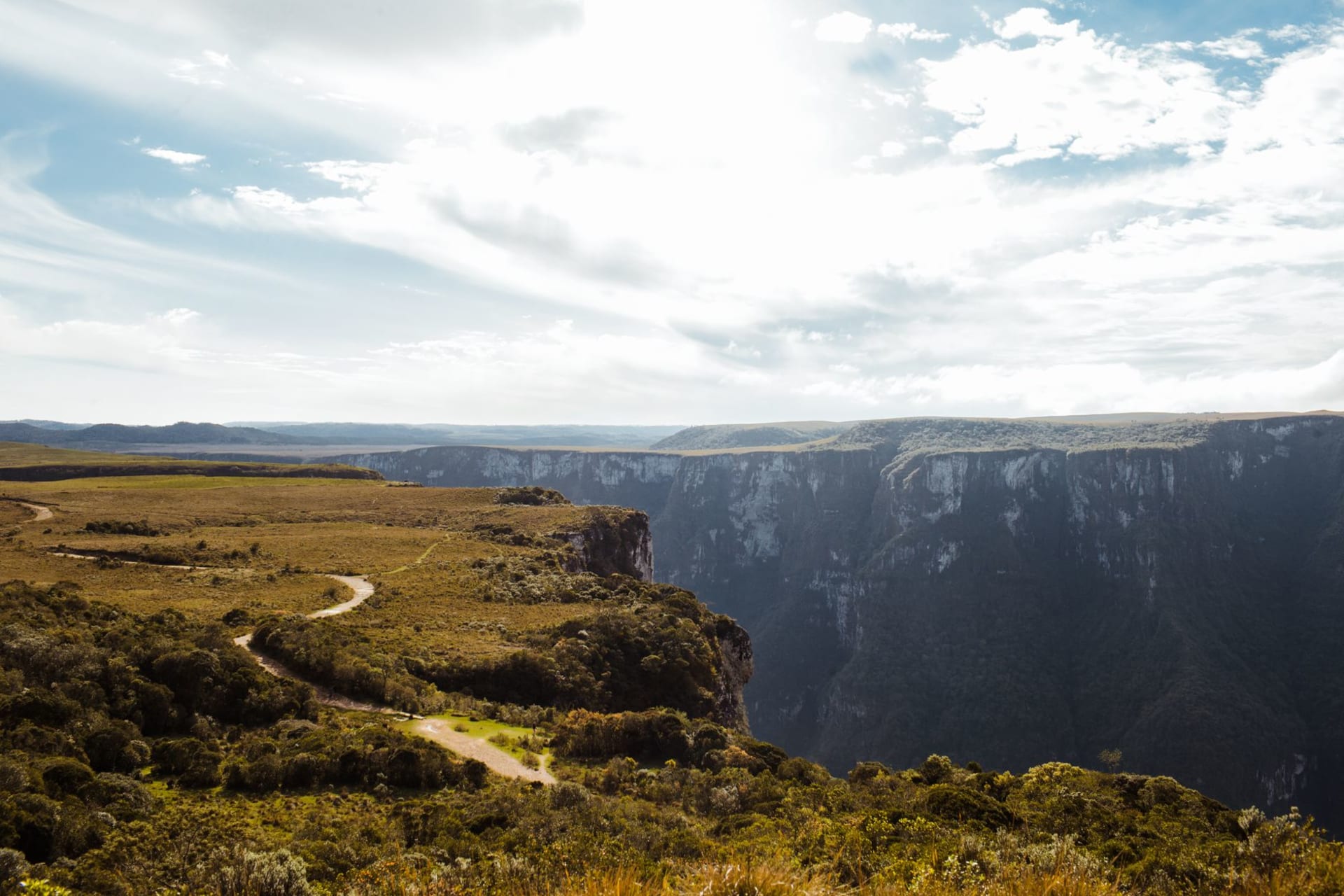
Serra Talhada announces itself from a distance as a dark mass of hills against the flat backland plain — the serra, literally the sawed range, where the escarpment has been cut clean by erosion into something almost architectural. I arrived from the south on a Thursday morning and the central market was in full session. The smell hit me before I parked: charcoal smoke, dried herbs, the sharp animal smell of carne-de-sol laid out in thick slabs on plastic tables. A man was selling small bags of cumaru seeds that smelled like vanilla crossed with something sharper. I bought three bags without knowing what I would do with them.

Virgulino Ferreira da Silva — Lampião — was born in Vila Bela, a settlement that no longer exists as a separate place, absorbed now into the municipality of Serra Talhada. He became the most famous cangaceiro in Brazilian history, running a band of outlaws through the caatinga for nearly two decades with a combination of genuine violence and genuine showmanship that the northeast’s popular imagination has never quite recovered from. Whether he was a social bandit or simply a bandit is a question Brazilians argue over with surprising heat. The Museu do Cangaço in town holds leather hats, rifles, embroidered jackets, and photographs — the famous ones where Lampião and Maria Bonita stare at the camera with extraordinary style. I spent an hour there and left with more questions than I arrived with.

What keeps me thinking about Serra Talhada, though, is not the museum. It is a lunch I had at a small restaurant near the market — buchada de bode that had been cooking since early morning, the goat stomach stuffed with offal and herbs and slow-braised until the whole thing was gelatinous and deeply flavoured, served with white rice and farofa and a raw onion salad dressed with vinegar. The woman who brought it to my table watched me take the first bite with an expression that said she already knew what I was about to think. She was right. It was extraordinary — the kind of food that takes poverty seriously, that makes something complete and considered out of the parts others discard. That is the whole philosophy of the sertão in a clay bowl.
When to go: June and July for the winter festival (Festa do Pinhão e da Carne Assada), which fills the city and is a genuine expression of local culture rather than a tourist event. The dry season, March to October, keeps roads reliable. Summer rains in January and February can be heavy.