Serra da Capivara
"Someone stood exactly here, fifty thousand years ago, and decided this wall was worth painting."
The first rock painting I found on my own — before the guide arrived at the trailhead, before I understood the site’s scale — was a small red ochre deer on a ledge about a metre above my head. I almost missed it. The deer was running, or leaping, or doing something that the anonymous artist had caught with four economical lines, and the line quality was startling: not tentative, not exploratory, but confident in the way that professional draughtsmanship is confident. I stood there with my neck craned upward and felt something fold in my understanding of time.

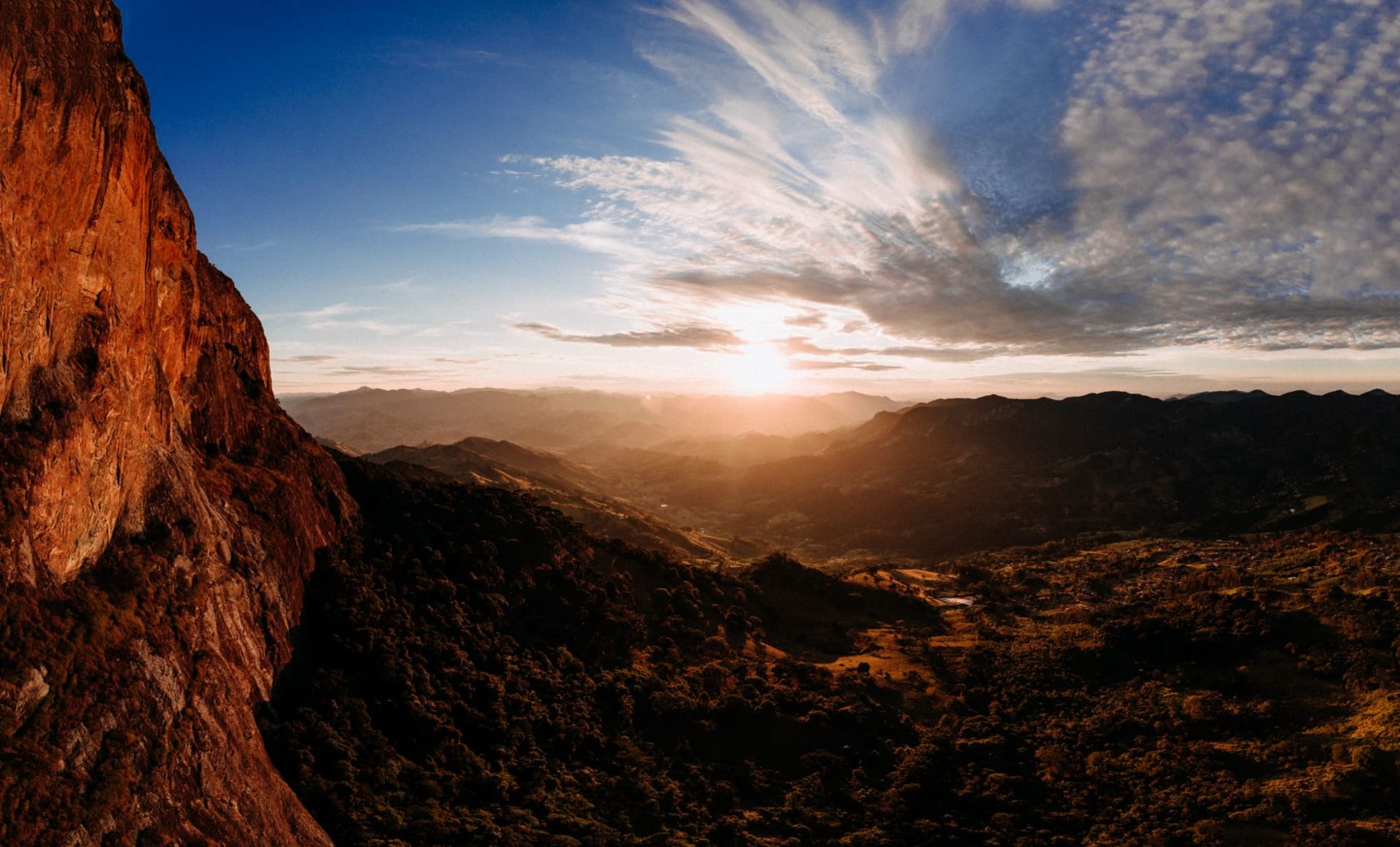
Serra da Capivara National Park in the southwest of Piauí is a UNESCO World Heritage Site and the most archaeologically significant park in South America. The plateau is carved by dramatic sandstone canyons — the serras — and the canyon walls are covered, in hundreds of sites across the park’s hundred thousand hectares, with some of the oldest rock art anywhere on earth. The dating is contested — archaeologist Niède Guidon has argued for occupation as far back as fifty thousand years — but even the conservative estimates place the earliest paintings at around twenty-five thousand years before present, predating the most commonly accepted theories of human migration to the Americas. Whatever the number, you are looking at something very, very old, and the landscape in which it sits seems to know it.

The park is based out of the small city of São Raimundo Nonato, where the Museu do Homem Americano holds the material culture excavated from the sites — tools, bones, seed collections — in a serious and well-organised permanent exhibition. The park itself requires a guide for the main circuits, which is not a bureaucratic imposition but a genuine advantage: the guides know which walls to approach when the light is right, which sites see almost no visitors, and where the tamanduás — giant anteaters — come to dig in the late afternoon. I watched one for twenty minutes without it acknowledging my presence at all. The caatinga makes everything feel like this: ancient, self-sufficient, indifferent to being observed.
When to go: May through September for the dry season, when trails are passable and mornings are clear. June and July bring the most comfortable temperatures. Avoid the rainy season from November to April — several trails flood and the park restricts access. Book guides in advance through the FUMDHAM foundation’s visitor centre in São Raimundo Nonato.