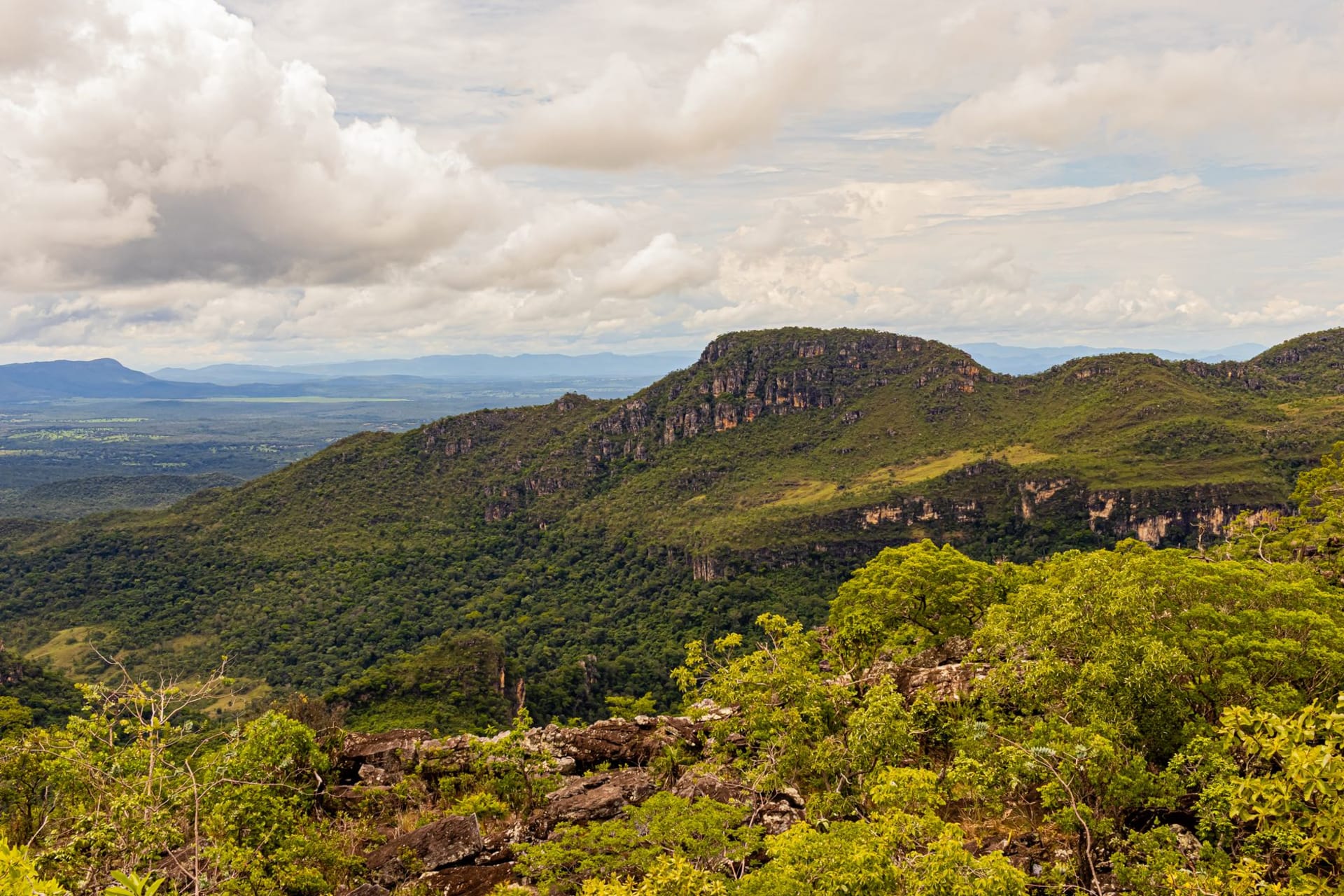
Parque Nacional do Catimbau
"The sandstone here doesn't just erode — it sculpts itself into forms that make you wonder who was paying attention."
I came to Catimbau on a recommendation from a geologist I met in Arcoverde who described the park with the kind of understated precision that means a place has genuinely affected someone. He said: “The formations look like something from the American Southwest but smaller and older and with better light.” He was not wrong, though I would add one thing he omitted: the silence there is complete in a way I have not encountered in many parks. No vehicle sounds, no distant towns, just the wind through the caatinga scrub and the occasional whistle of a tico-tico sparrow.

The park covers sixty thousand hectares in the Vale do Catimbau, a high-altitude valley between the Borborema Plateau and the São Francisco Depression. The landscape is an erosional geology lesson made beautiful: sandstone pillars, natural arches, canyon slots narrow enough to touch both walls with outstretched arms, and boulders balanced on pedestals of softer rock in arrangements that look deliberate. The pre-Columbian peoples who used this valley left their record on the canyon walls — petroglyphs in geometric patterns, outlined animals, abstract human figures that look, in certain afternoon lights, like they might step off the rock face. I traced the outline of one carved figure with a finger and felt, with unusual clarity, that I was the latest in a very long line of people who had found this valley a good place to stop and pay attention.

The town nearest the park is Buíque, about eighty kilometres southwest of Caruaru, where you can find simple pousadas and guides who know the park’s unmarked trails. The main circuit — about twelve kilometres through the valley floor — is manageable in a day, but the park rewards slowness: stopping to watch a teiú lizard patrol a sun-warmed boulder, sitting at the lip of a canyon for an hour while the light shifts, following a guide into one of the deeper gullies where small springs keep a different microclimate going. The caatinga in here, away from the cattle that graze much of the surrounding land, is dense and old-growth and full of bromeliads and orchids clinging to the rock faces.
When to go: May through September for dry conditions and the best trail access. Mornings are ideal — the light on the sandstone between six and nine is extraordinary, and the temperature stays manageable before noon. The park can be visited year-round but the rainy season (November–March) renders some trails impassable.