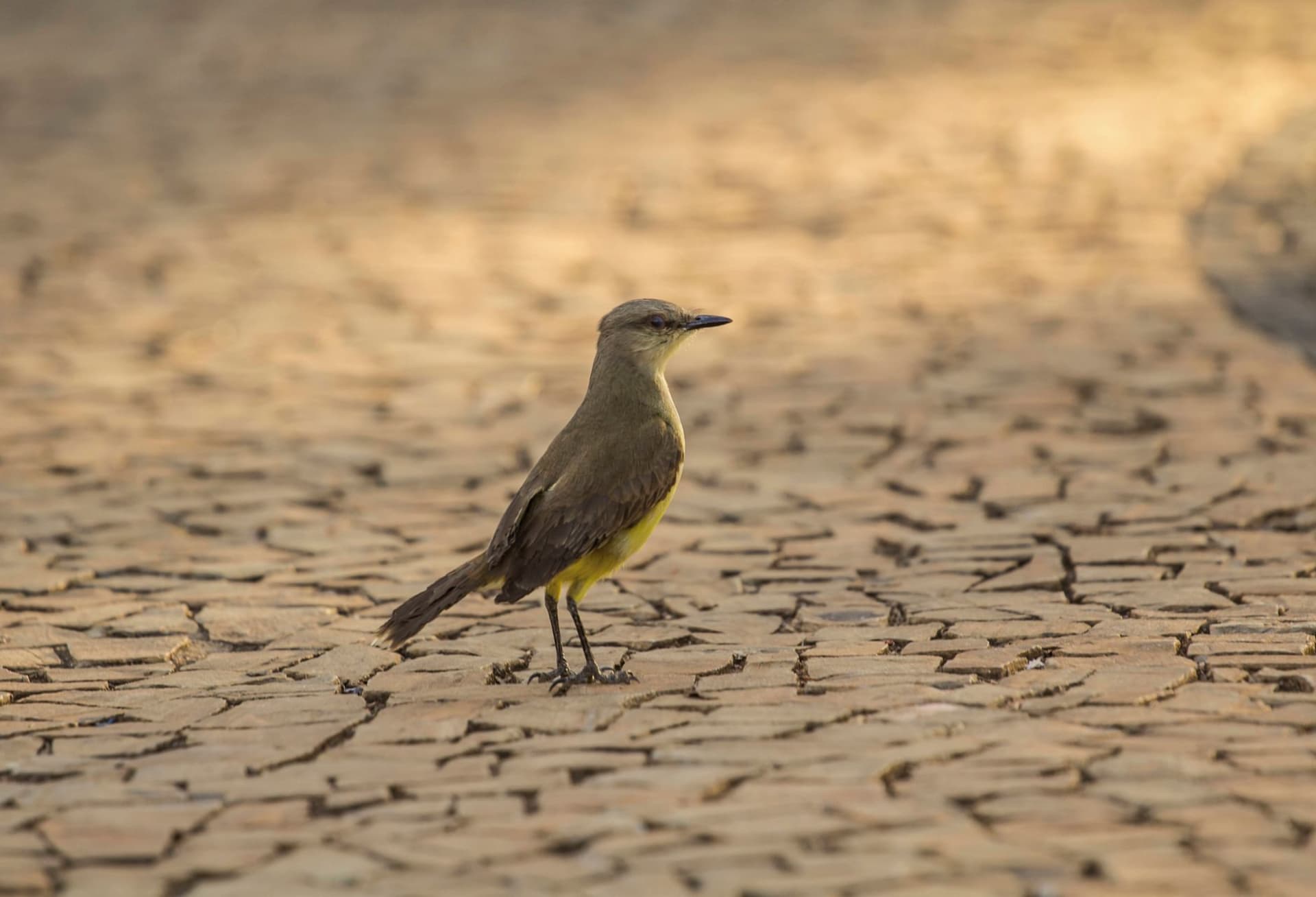
Ouricuri is not on the way to anywhere. This is the first thing you notice when you look at a map: the town sits in the far west of Pernambuco, near the Piauí border, on roads that connect smaller places to smaller places. The regional bus from Petrolina takes about three hours along a highway that runs through some of the densest mandacaru stands I have seen — the tall columnar cacti shoulder to shoulder in places, the flat light of the afternoon making the whole landscape look overexposed. I arrived in the early evening with no particular plan and found a pousada above a pharmacy whose owner gave me a key and told me dinner was across the square.

The town is named for the ouricouri palm — a species of carnauba palm whose leaves produce a wax that was, for the first half of the twentieth century, indispensable to the global manufacturing economy. Car polish, lipstick, floor wax, dental floss: carnauba wax went into all of it, and the palms of the Pernambuco-Piauí borderlands made fortunes for landowners and hard lives for the workers who harvested them in the brutal summer heat. That industry has contracted but not disappeared, and the palms are still everywhere — their distinctive fan-shaped fronds catching the slightest breeze, their trunks thinner than you expect for a tree that can reach fifteen metres.

What I found in Ouricuri was not destinations in the conventional sense but something harder to name: the texture of a place that functions at its own pace without any awareness of being watched. The feira on Saturday morning, the smell of charcoal and goat fat, men in straw hats discussing nothing urgently, a woman arranging dried beans by colour in a basket, a group of boys chasing a dog who was not concerned about being caught. I ate sarapatel — the spiced goat offal stew — for lunch two days running because the cook at the small restaurant near the bus station made it with a complexity that suggested years of dedicated repetition. She shrugged when I complimented it. “É assim,” she said. That’s how it is. The caatinga in four words.
When to go: April through August for the more temperate part of the dry season. September and October are extremely hot. The Saturday fair is worth timing your visit around. There is little tourist infrastructure here — come self-sufficient, with cash, a willingness to eat what is available, and time to simply observe.