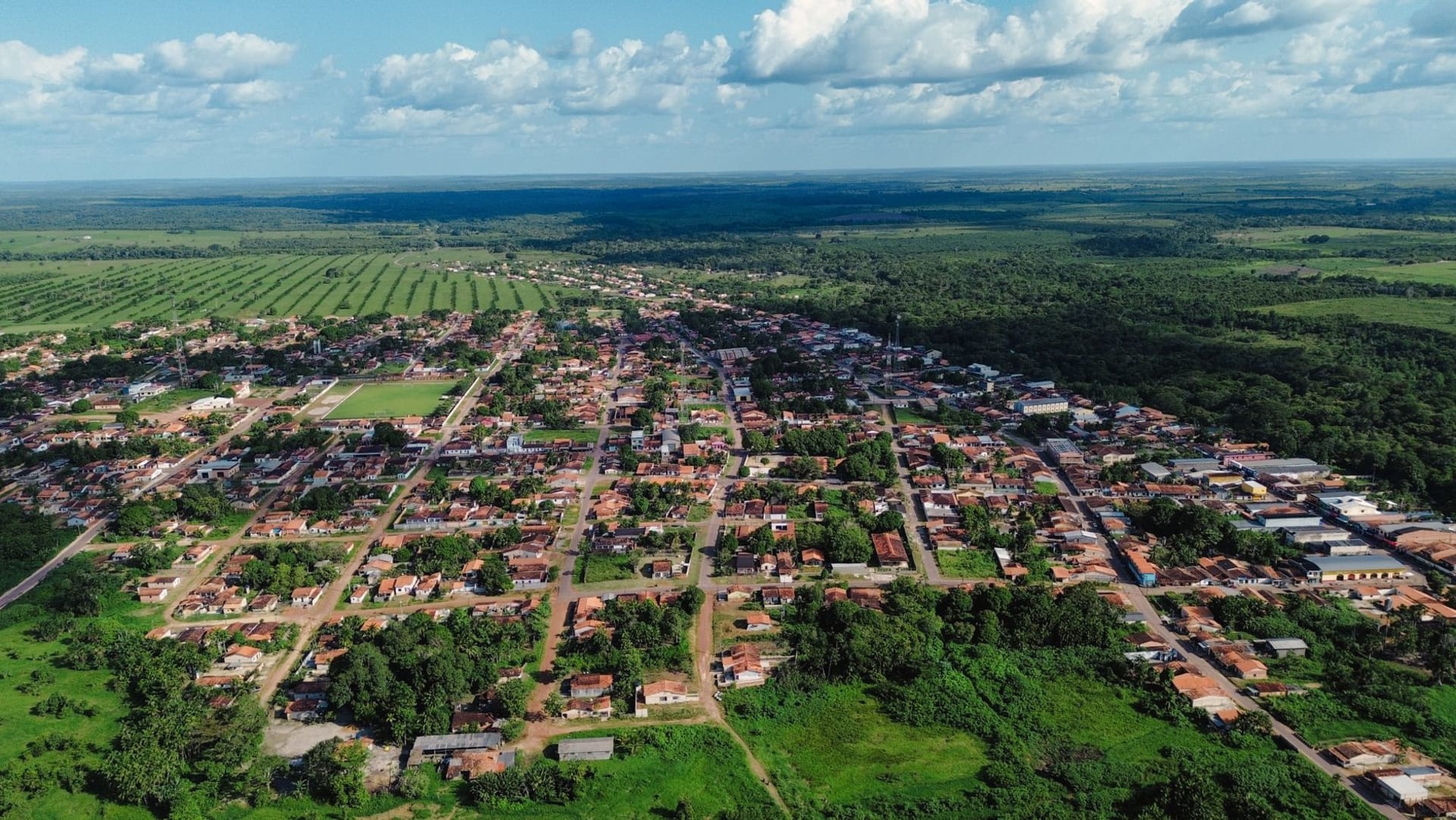
Juazeiro do Norte
"Three million people come here every year to touch the hem of something that hasn't died."
The bus from Crato pulled into Juazeiro do Norte at six in the morning and the city was already awake, humming with that particular energy that belongs to places that exist in perpetual spiritual urgency. Vendors were setting up along the Rua São Pedro before sunrise — folhetos de cordel clipped to wire lines, plaster statues of Padre Cícero in every size, ex-votos made of wax molded into limbs and hearts and small human figures. I had not expected to feel moved by any of it. I was wrong about that within the first hour.

Padre Cícero Romão Batista arrived in Juazeiro in 1872 as a young priest and spent the rest of his long life here, becoming the most important religious figure in the history of Brazil’s northeast. A claimed miracle in 1889 — the eucharistic host turning to blood in the mouth of a dying woman — drew the ire of the Vatican and the undying devotion of the sertanejo poor. Padre Cícero was stripped of his priestly functions but never left, and when he died in 1934 the city he had built from a tiny settlement into a city of forty thousand mourners wept in the streets. Today his statue on the Horto hill stands twenty-seven metres tall, one hand raised, and it is visible from the edge of the city the way a lighthouse is visible from the sea — reassuring, enormous, deliberately unmissable.

What surprised me most was not the scale of the devotion but its texture. The pilgrims who come here — three million a year, the organisers claim — are not performing. The women praying at the Basílica de Nossa Senhora das Dores, the old men touching the plaster robes of the saint’s statue with both hands, the teenagers buying blessed rosaries from stalls while listening to music on their phones: there is nothing self-conscious in any of it. Faith here is a practical matter, as quotidian as eating. I spent an afternoon at the Mercado São Francisco, eating green canjica with coconut milk and watching the flow of people, and felt something that I did not know how to name. Not religious feeling exactly. More like witnessing the full force of a culture that had never needed external validation.
When to go: November 1–2 (Finados) and July 26 (Dia de Sant’Ana) bring the largest pilgrimages and the most intense atmosphere, though roads and accommodation fill fast. February and March are quieter. The permanent market is worth a visit year-round — the cordel stalls alone are worth the trip.