
Loropéni Ruins
"The stones at Loropéni have been waiting longer than any name we have for them."
Getting to Loropéni requires commitment. From Gaoua, the regional capital of the southwestern Poni Province, the road runs another twenty-five kilometers through a forested landscape of laterite and oil palms and villages where children stop whatever they are doing and run to the roadside to wave. The ruins are not signposted in any way that would help a stranger — a local told me to watch for a large tree beside a red gate, and the large tree beside the red gate was indeed where the turn was. This quality of being not quite found is part of what Loropéni has.
The site is a UNESCO World Heritage location, recognized in 2009 as the best-preserved stone enclosure of its type in West Africa, and yet it receives perhaps a few hundred visitors per year at most. My guide, a man from the adjacent village of Loropéni who had known the ruins since childhood, led me through a gap in the outer wall and into the interior space with the manner of someone showing you into a room in their own house. The walls are built in dry stone — no mortar, no cut stone, just laterite blocks selected and fitted with a care that has held for somewhere between seven hundred and a thousand years. In places they stand to four meters. The outer circuit measures roughly one hundred by seventy meters.
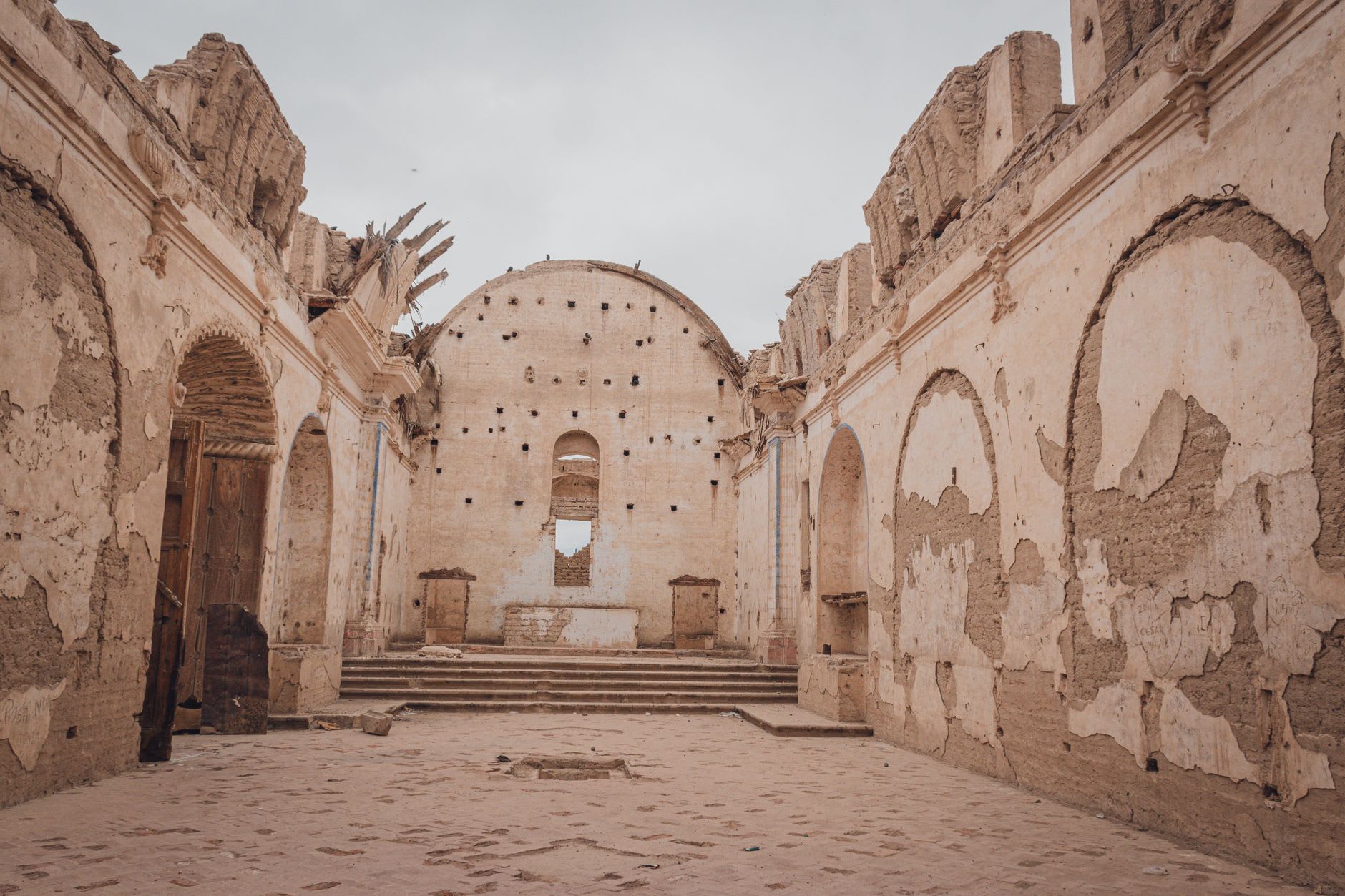
What the ruins were for remains a matter of historical debate. The prevailing theory connects Loropéni to the trans-Saharan gold trade — this corner of the Sahel sits at the southern edge of the trade networks that moved gold from the forest zones of present-day Ghana and Côte d’Ivoire northward to the Saharan caravan routes. A fortified stone enclosure in this position would have served as a control point, a storage facility, a seat of local power. The Lohron and Koulango peoples of the area claim the site as part of their ancestral history, and the guide told me, without particular drama, that certain sections of the interior are still considered sacred and not walked across by people who know what the site is.
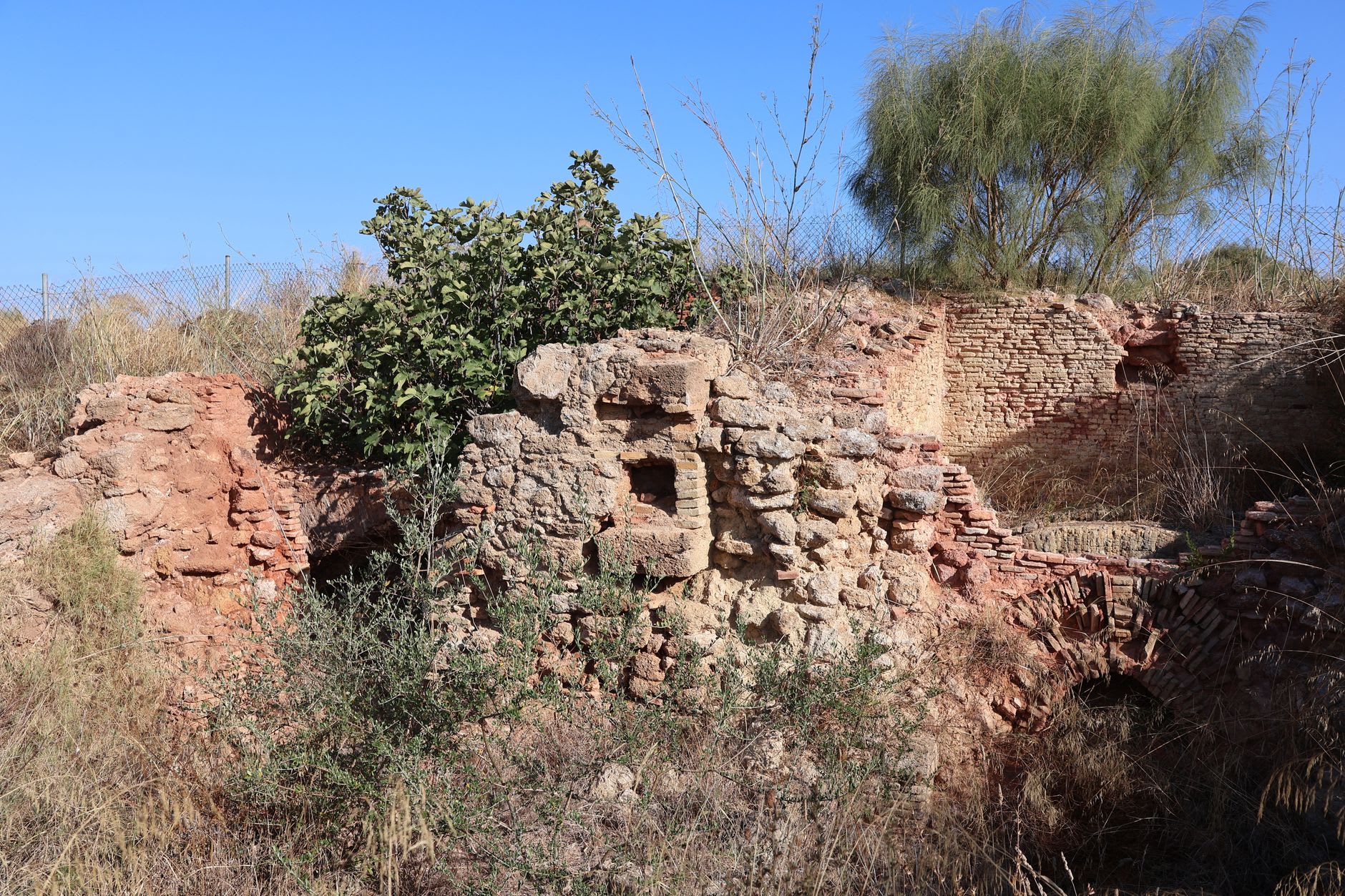
The forest has worked at the walls persistently. Roots have found the seams between stones and pried them slightly apart; trees have grown inside the enclosure until their canopy now shades the interior; mosses and lichens have given the laterite a dark coating that makes the stone look older than it is and more permanent at the same time. This is what ancient sites look like when they haven’t been over-restored: a negotiation between human structure and the slow insistence of biology. Angkor Wat has the same quality in its unreconstructed sections, but Angkor Wat has ten thousand tourists a day and a gift shop. Loropéni had, the afternoon I was there, me and my guide and a troop of patas monkeys that moved through the tree canopy above the north wall with an agility that made the whole idea of walls seem briefly irrelevant.
The town of Gaoua, which functions as the base for visiting Loropéni, is itself worth a day: the Musée de Gaoua holds one of the better ethnographic collections in West Africa, concentrating on the Lobi people whose scarification practices, bronze jewelry, and architectural traditions are documented with real seriousness. The Lobi country around Gaoua has a distinct character from the Mossi-dominated center of Burkina — more animist in its visible daily life, more architecturally complex in its traditional compounds, more itself in a way that rewards slow travel.
When to go: November through February, when the rains have ended and the forest around the ruins is still green but the paths are clear and dry. The site is open daily and the local guide cooperative based in Loropéni village handles access — arrive and ask, it is that simple.