Deux Balés National Park
"We came looking for elephants and left with the silence of the rocks instead."
A quiet park of granite plains and gallery forests in the Boucle du Mouhoun, once home to hundreds of elephants.
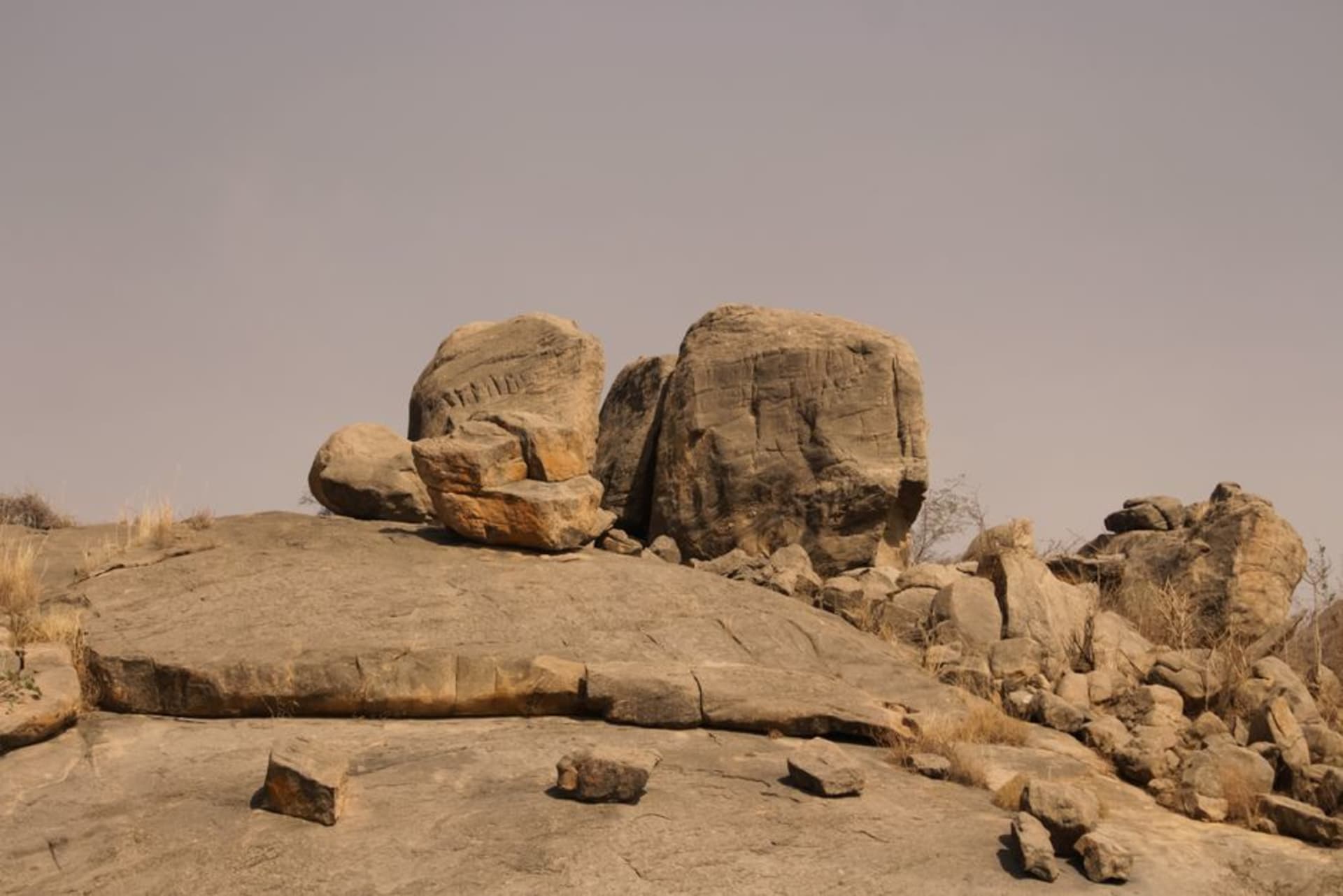
I’ll admit it: we almost didn’t make it to Deux Balés. Everyone we met in Ouagadougou pointed us toward Nazinga instead, told us it was easier, better signposted, more “proven.” But Lia had read about the granitic plains of the Boucle du Mouhoun, the way the land here rolls and buckles into rock outcrops instead of lying flat like the savanna we’d seen elsewhere, and she wasn’t going to let that go. So we hired a driver in Boromo, packed more water than we thought we’d need, and headed into a park that, as far as we could tell, saw maybe a handful of visitors that whole week.
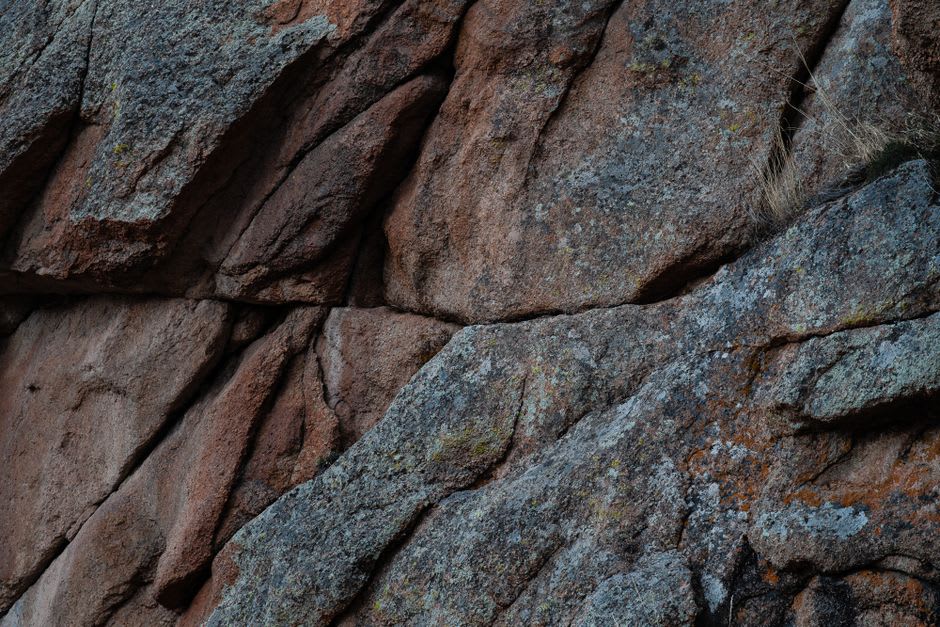
The landscape is what struck me first. I’d pictured flat grassland, the classic West African savanna postcard, but Deux Balés kept surprising us with lateritic plateaux and these strange, weathered granite domes pushing up out of the plain, elevation shifting under us in a way I hadn’t expected at 235 to 310 metres. Our guide, a quiet man named Issouf who’d grown up in a village bordering the park, kept stopping the truck just to point at rock formations he clearly still loved despite having seen them a thousand times.
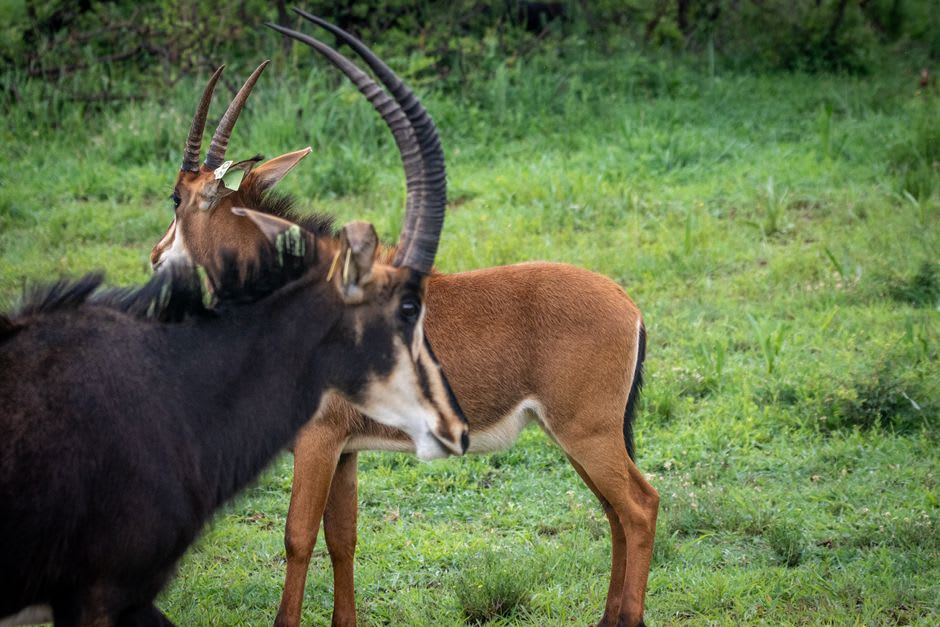
We didn’t see elephants, not that day. Issouf explained that the park, together with the neighboring Baporo forest, held something like 400 elephants back in 2001, part of what was then the largest elephant population in all of West Africa. Hearing that number while staring at empty bush was strange, a kind of absence you feel more than see. What we did find, following a dry streambed into a pocket of gallery forest, was a small herd of antelope freezing mid-step as we rounded a bend, and overhead, more birds than I could name in a notebook that filled up faster than I expected.
That gallery forest, threading along the seasonal watercourses, is really the heart of the park’s character, greener and denser than anything around it, buffalo tracks pressed into the mud where we’d least expect them. It’s a different kind of wildlife-watching than the more established reserves offer, slower, quieter, and honestly more humbling. We left without a single elephant photo, but with the feeling of having stood somewhere genuinely under-visited, which these days feels like its own kind of privilege.
When to go: We went in the dry season, and I’d insist on it, roughly November to April, when the tracks are passable and the animals gather more predictably around what water remains.
Keep exploring
More from Burkina Faso
 burkina-faso
 Gorom-Gorom
A remote Sahelian market town where Tuareg nomads, Peul herders, and Bella farmers converge every Thursday in clouds of red dust and indigo cloth.
Explore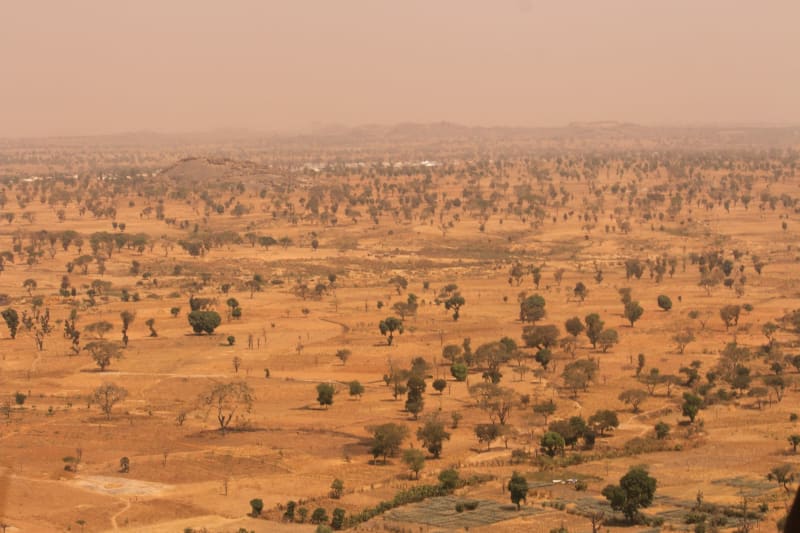 burkina-faso
 Karfiguéla Falls
Cold water cascading through rock faces thick with fern and moss, twenty kilometers from the Sahel and a world away from it.
Explore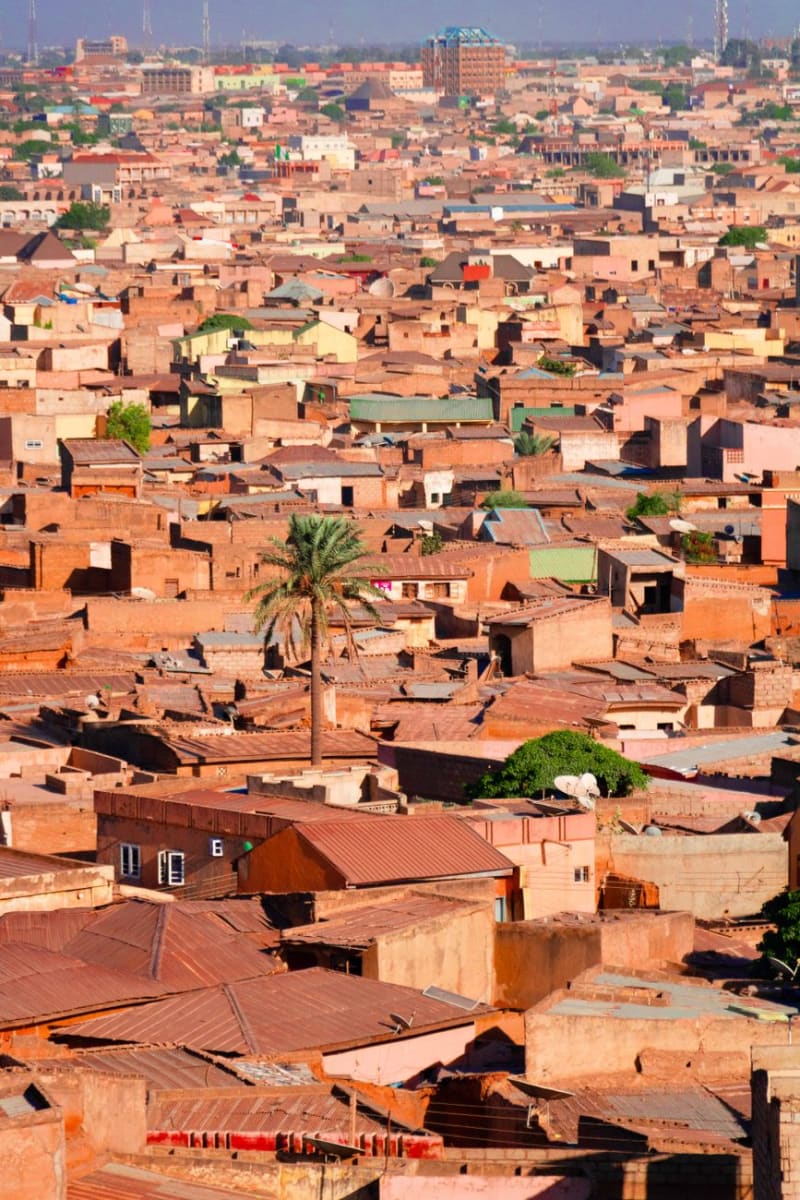 burkina-faso
 Koudougou
Burkina's third city, a hot, dusty railway and weaving town where the looms never stop and the cotton cloth comes off them in colors you can hear from across the market.
Explore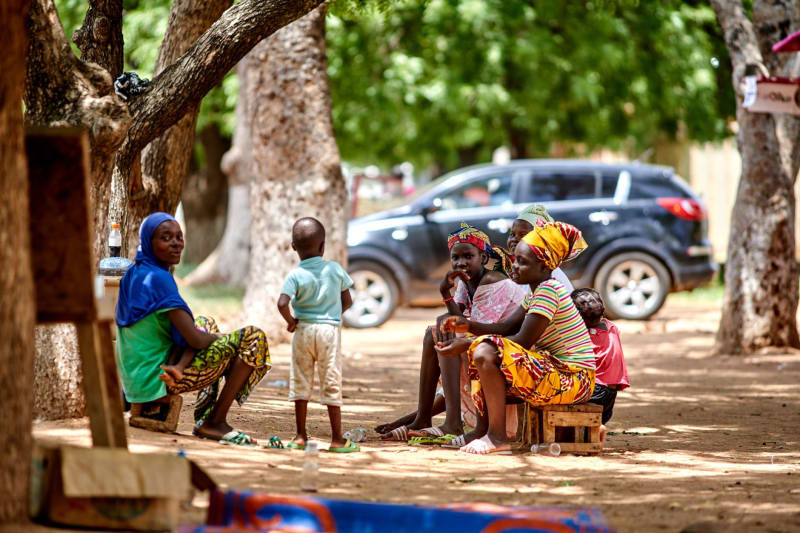 burkina-faso
 Laongo Sculpture Symposium
Granite boulders carved by international artists into permanent outdoor sculptures on the open plateau just east of Ouagadougou.
Explore burkina-faso
 Loropéni Ruins
A UNESCO-listed stone enclosure a thousand years old, standing in forest that has tried for centuries to quietly reclaim it.
Explore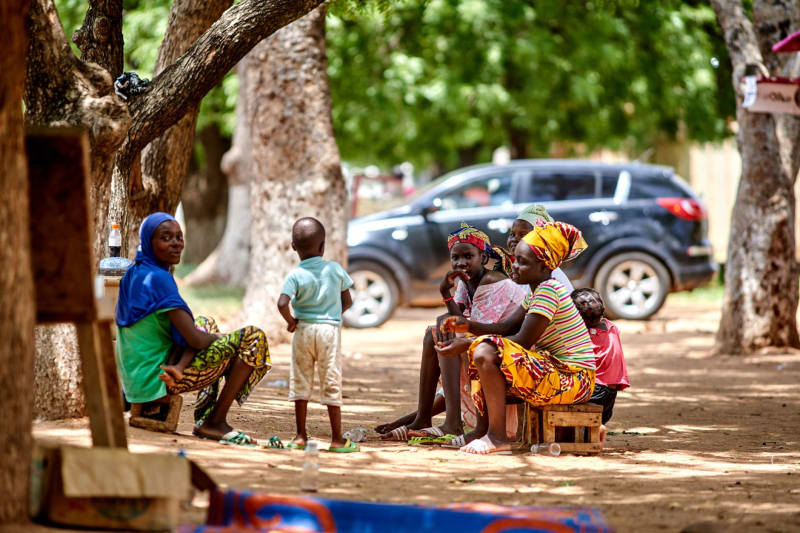 burkina-faso
 Nazinga Game Ranch
Elephant country in the south of Burkina, where laterite tracks lead through dry woodland to waterholes that fill with wildlife at dusk.
Explore