Semur-en-Auxois
"We came for one night and Lia had to drag me back to the car two days later."
A fortified pink-granite town above the Armançon, with four medieval towers and a Gothic church nobody seems to visit but us.
We almost skipped Semur-en-Auxois. It was supposed to be a lunch stop on the drive down from Paris to Dijon, a break from the highway before we got serious about wine tasting in the Côte d’Or. Then we came around a bend on the D954 and saw the town sitting up on its pink granite rock, four stone towers catching the late afternoon light, and I pulled over onto the shoulder just to look at it for a minute. Lia didn’t even complain about the detour. We ended up staying two nights.
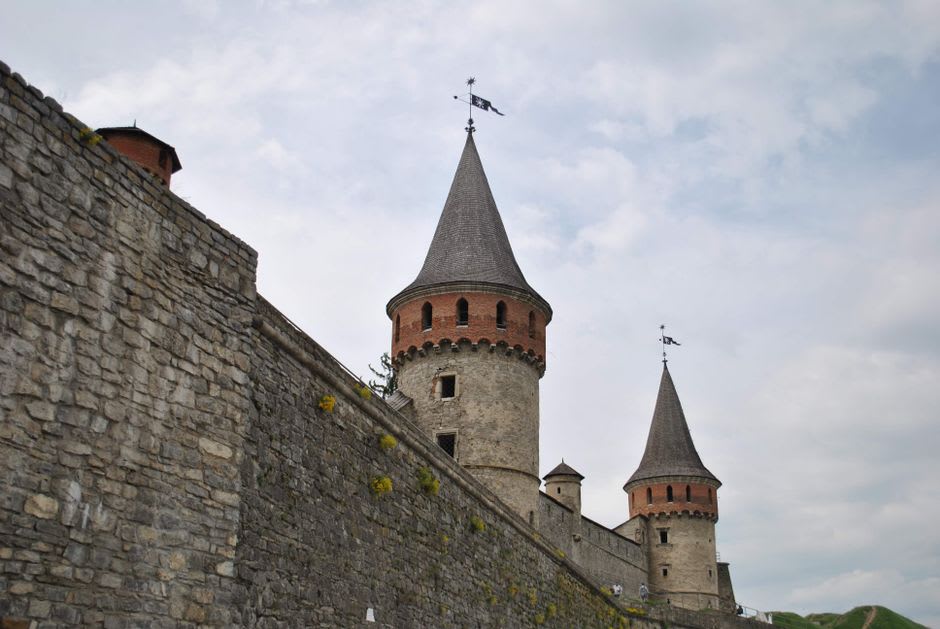
The town is tiny, which is part of what makes it work. What’s left of the old castle is really just four towers now, and the one everyone points out is the Tour de l’Orle d’Or, which has this enormous crack running down one side that looks like it should have brought the whole thing down centuries ago and somehow never has. I stood underneath it for a while trying to figure out the physics of it. Our innkeeper, an older man who’d clearly given this speech before, told us the tower has been cracked like that since some point in the Middle Ages and just refuses to finish falling. I liked that. It felt like a metaphor for the town itself — worn down, still standing, no interest in explaining itself to tourists.
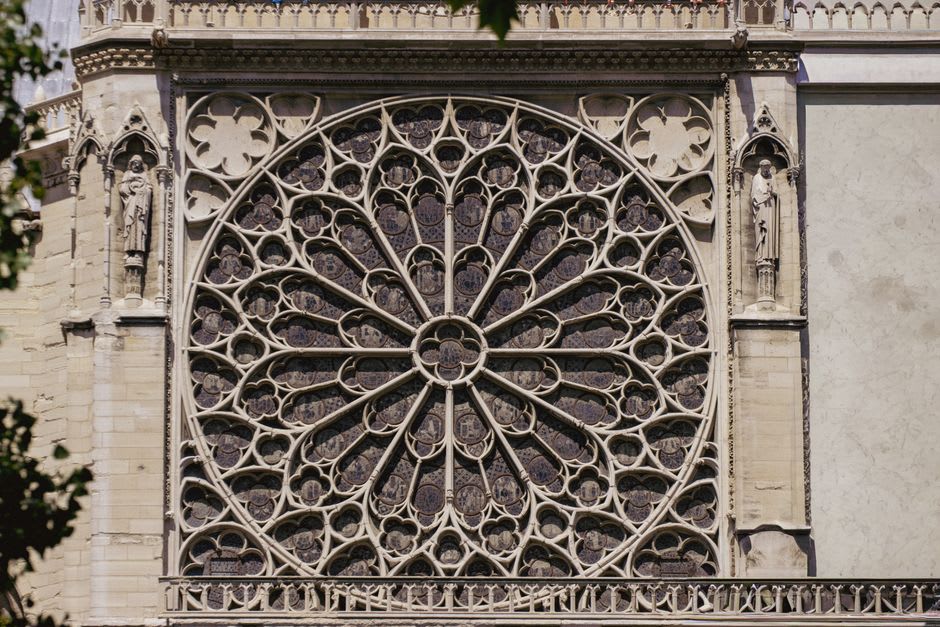
The Collégiale Notre-Dame is the other reason to slow the car down. I’m not usually the guy who wants to spend an hour in a 13th-century church, but this one got me — the rose window, the carved portal with the whole legend of Saint Thomas worked into the stone above the door. Lia found a side chapel with light coming through in a way that made her stop talking mid-sentence, which almost never happens. We sat on a bench near the back for a while and just let it be quiet, which is a rare thing to get inside a French church in high season, except this wasn’t high season and this isn’t Beaune, so quiet is just what Semur gives you.
In the evening we walked the ramparts and crossed one of the old stone bridges over the Armançon, and I remember thinking the whole town looked like it had been built for a fairy tale nobody bothered to finish writing. We had dinner at a little place near the church, something with duck and a Côte-d’Or red I can’t remember the name of, and talked about how strange it was that a town twenty minutes from the Paris-Dijon line could feel this forgotten in the best possible way.
When to go: We got lucky with a quiet spring evening, and I’d steer you toward spring or early autumn too — the light on the towers is soft, the streets are yours, and you won’t be fighting the summer crowds that pile into Beaune and Dijon instead.
Keep exploring
More from Burgundy
 burgundy
 Vézelay
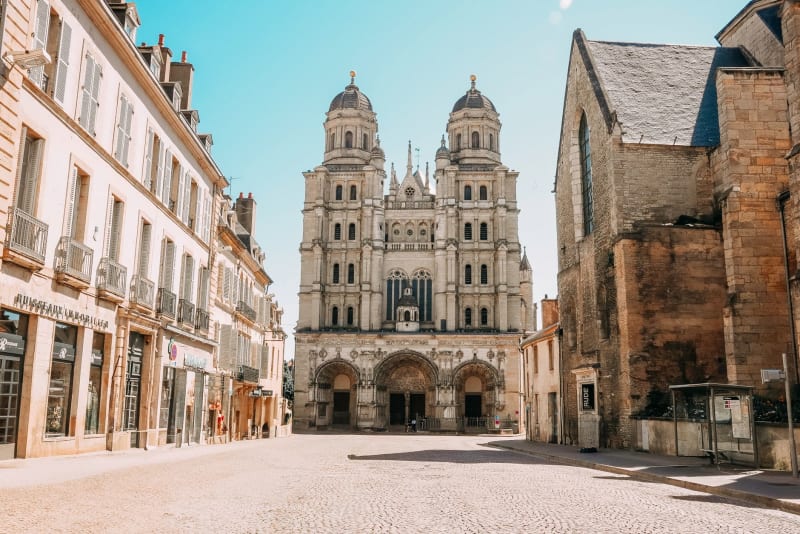
A Romanesque basilica on a hilltop that has been drawing pilgrims for nine centuries and still earns the climb.
Explore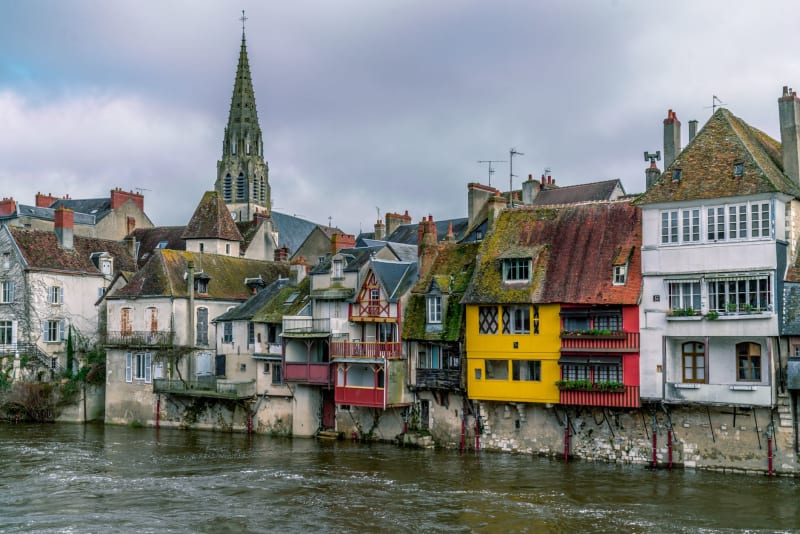 burgundy
 Auxerre
A cathedral city on the Yonne that most travelers pass through without stopping, which is their loss and your advantage.
Explore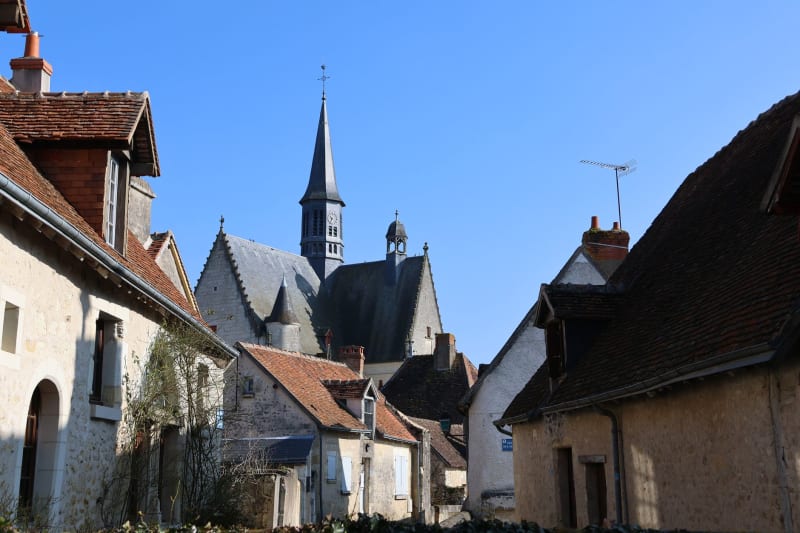 burgundy
 Beaune
The wine capital of Burgundy hides its seriousness behind cobblestones and ramparts, then ambushes you with caves that smell of centuries.
Explore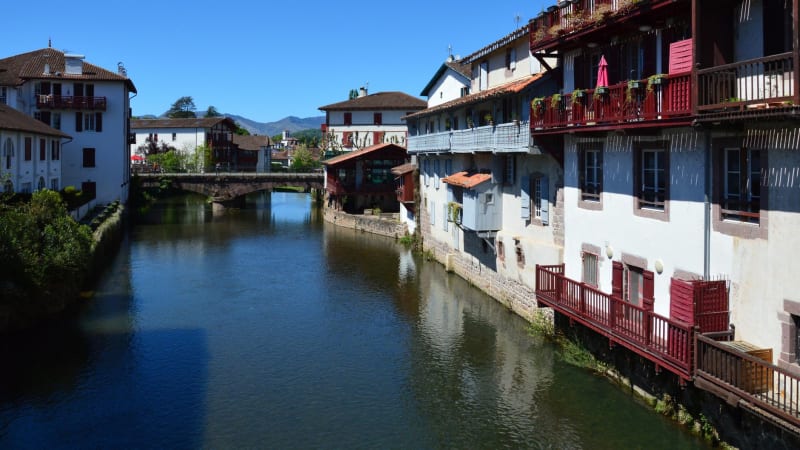 burgundy
 Canal de Bourgogne
Two hundred and forty-two kilometers of lock-studded waterway through the Burgundian heartland, best traversed at walking pace or slower.
Explore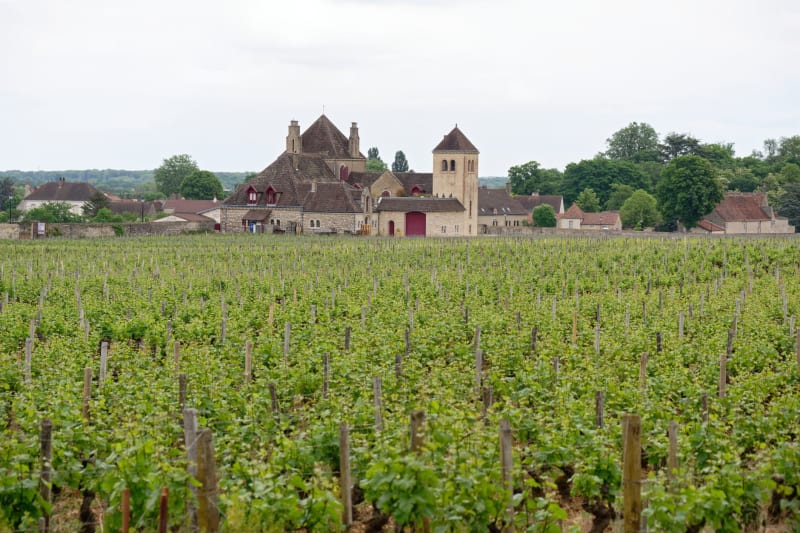 burgundy
 Chablis
The austere northern outpost of Burgundy where Chardonnay tastes of cold stone and the river runs the color of slate.
Explore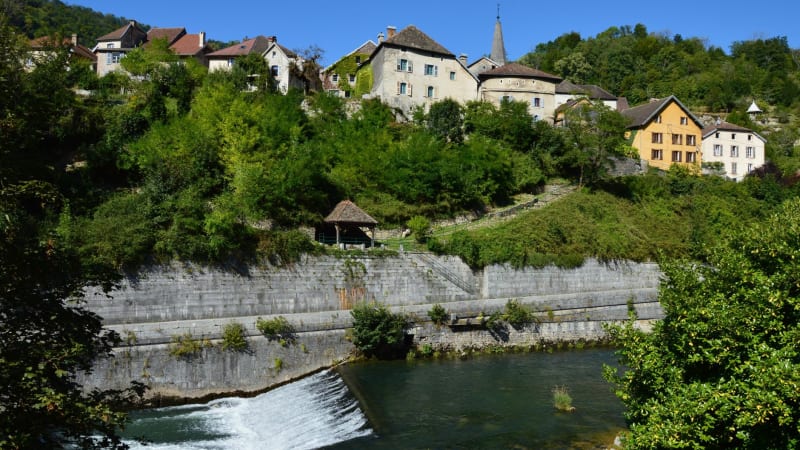 burgundy
 Chalon-sur-Saône
The southern gateway to Burgundy that invented photography, holds the best carnival in France, and lets the river do most of the talking.
Explore