Chalon-sur-Saône
"Photography was invented here by a man who needed 8 hours of exposure time. I thought about that while shooting the river in one-two-hundredth of a second."
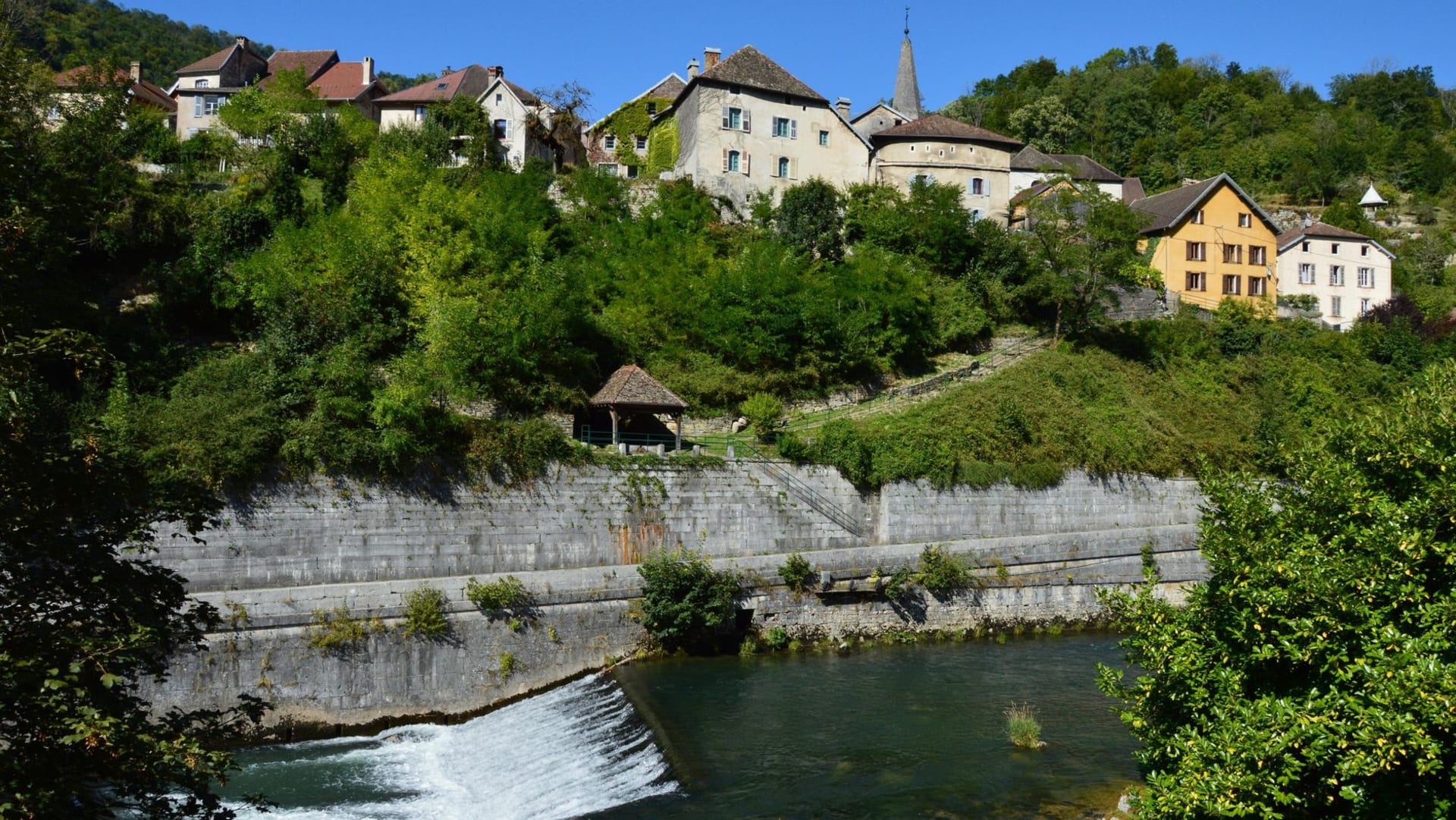
Chalon-sur-Saône is where the Saône opens up and becomes something you notice. North of here the river is narrower and more secretive; at Chalon it broadens into a proper waterway, wide enough to carry freight barges and the long flat houseboats of the fluvial community that parks along the quais year-round. I arrived from the north on the D974 — the famous wine road that has been running past vineyard after vineyard — and the transition from tight Côte d’Or hillsides to the broad river plain felt like emerging from a corridor into a room.
The town does not get the attention it deserves. Most visitors to southern Burgundy are heading for Beaune or the Mâconnais and pass through Chalon on the way without stopping. This is understandable but mistaken. The old quarter — the Île Saint-Laurent, an island in the Saône linked by two bridges to the mainland — has a dense cluster of medieval and Renaissance architecture, the timbered façades hanging over narrow streets in the classic northern French manner. The central market square, the Place Saint-Vincent, is anchored by the former cathedral and surrounded by brasseries and wine bars at ground level, the upper floors belonging to the serious nineteenth-century bourgeoisie.
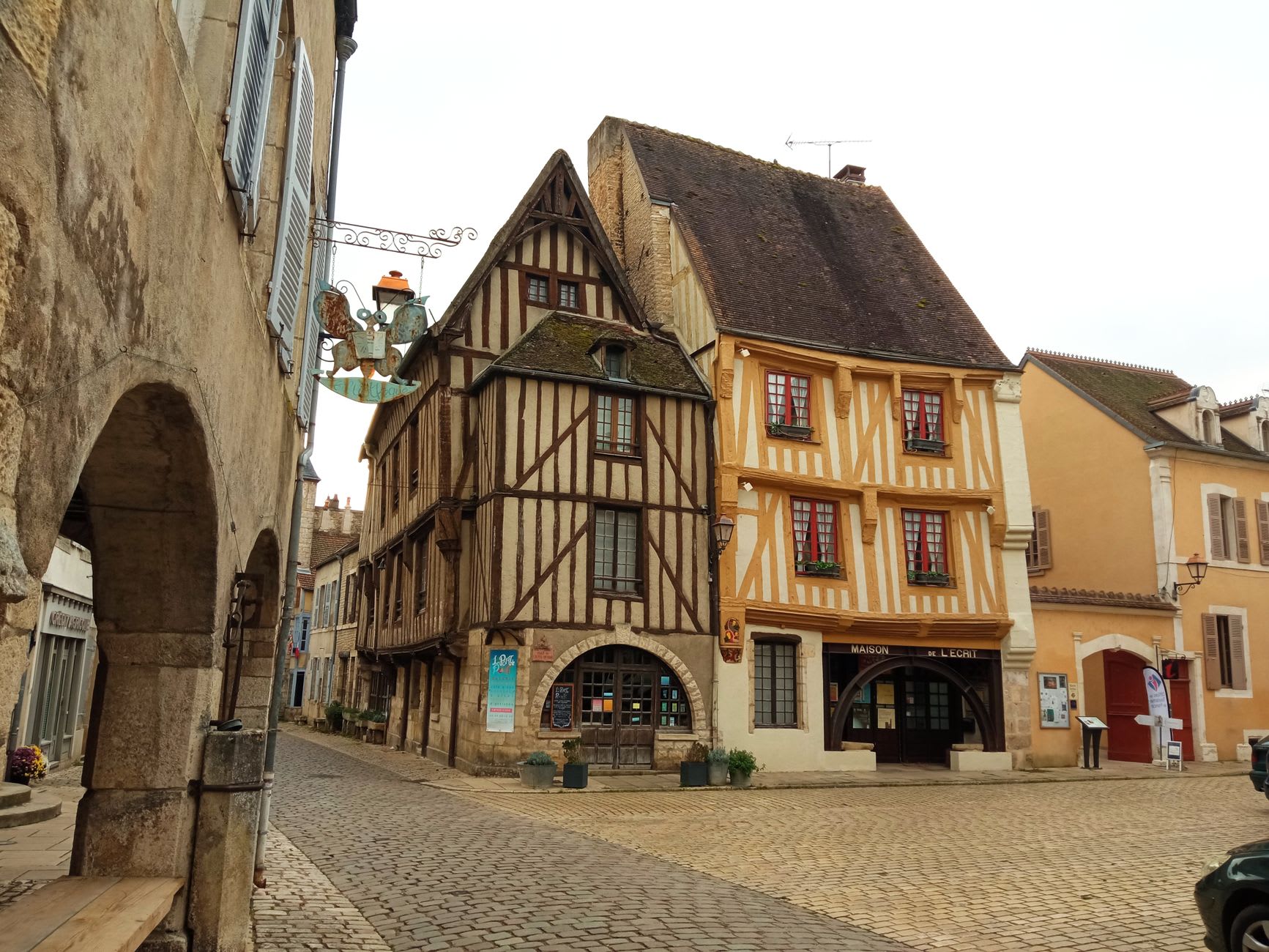
Photography was born here, in a very specific technical sense. Nicéphore Niépce, a Chalon native, produced the world’s first permanent photographic image in 1826 or 1827 — a view from his upstairs window requiring eight hours of exposure time. The Musée Nicéphore Niépce on the riverbank holds his surviving equipment, his correspondence, the heliograph plates, and a collection of cameras that charts the entire history of the medium from 1826 to the digital age. It is housed in a sixteenth-century hôtel on the Quai des Messageries with the Saône visible through the windows, and it is one of the best small museums I have visited in France — specific enough to have genuine depth, curated with enough wit to keep it human. I spent three hours there and would have spent four.
The Saône quais are the social infrastructure of the town. In the evenings, particularly in summer, the riverbanks fill with the easy movement of a city that has not become too precious about its public spaces: families walking, teenagers on rollerblades, a pétanque pitch beneath the plane trees that is fiercely competitive without being theatrical. I ate a terrine of pike in a restaurant on the quai, watching a barge pass with its running lights on in the dusk. The wine was a Côte Chalonnaise red from Givry, about twelve kilometers south — an appellation that deserves more recognition than it gets, the wines carrying the Côte d’Or character at considerably more accessible prices.
The carnival — Carnaval de Chalon — happens every February and is, by several measures, the second largest street carnival in France after Nice. I have not attended, but the preparations I saw in a February visit were extraordinary: floats the size of buildings, costume workshops taking over entire warehouses. The town approaches it with a seriousness usually reserved for wine.
When to go: The carnival in February is famous if you enjoy that kind of orchestrated exuberance. Late April through October is when the Saône riverfront is at its most alive. September is the time for wine — the Côte Chalonnaise harvest brings energy to the surrounding villages, and Chalon’s market fills with the season.