Kampong Ayer
"A city within a city, balanced on water, and completely indifferent to your amazement."
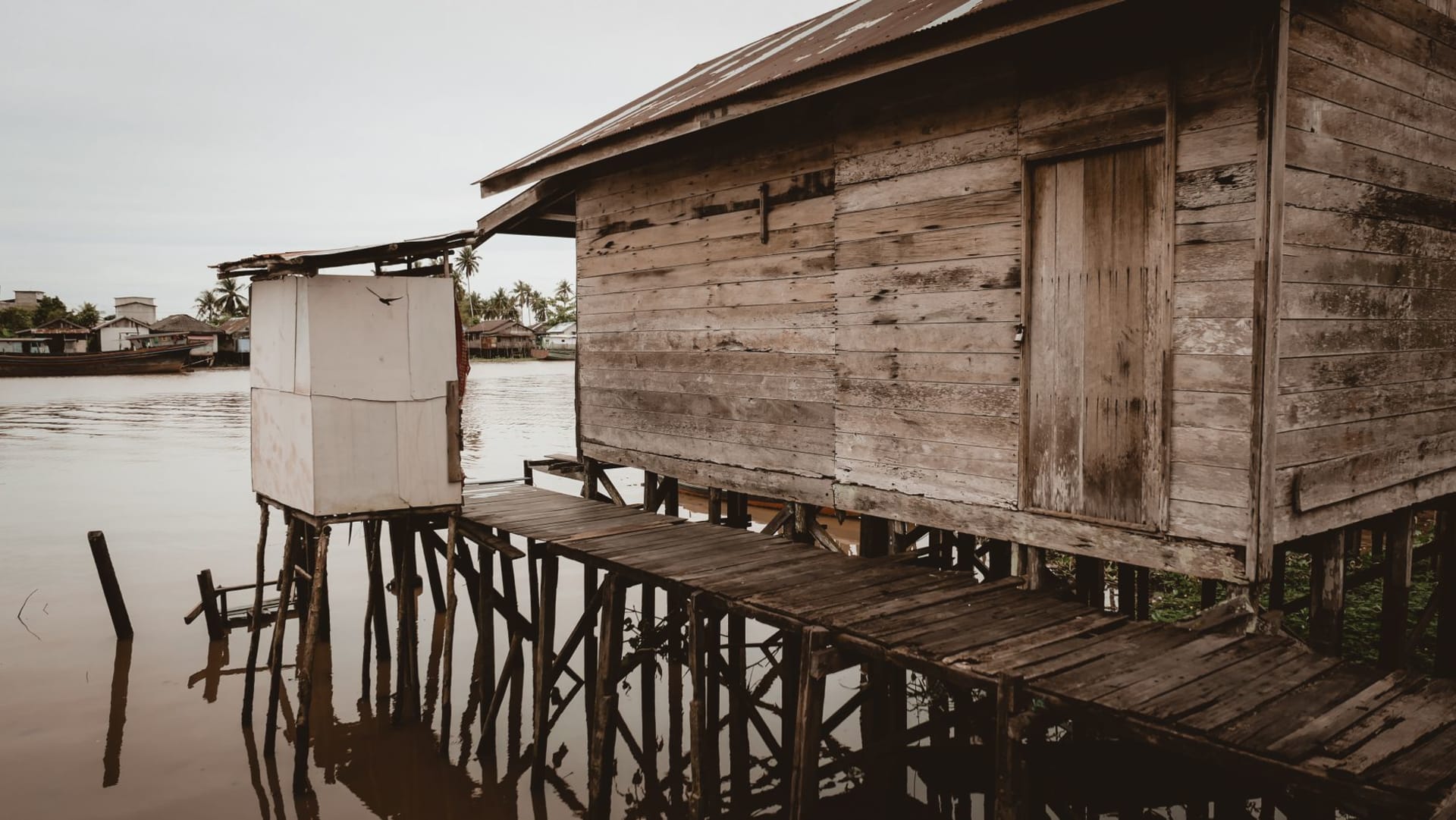
The water taxi deposited me at a wooden jetty and the driver disappeared before I could ask which direction to walk. It turned out there were no wrong directions. Kampong Ayer — the Venice of the East, though that comparison undersells it — spreads across the Brunei River in a dense mesh of interconnected boardwalks, a settlement so large and so established that it contains its own mosques, schools, fire stations, and health clinics, all balanced on stilts above the same brown water. I had been told it housed 39,000 people. Standing on a walkway, watching a woman hang laundry from her second-floor window while a child on a bicycle narrowly missed me, I believed it.
The boardwalks are the arteries of the place. They range from wide enough for motorcycles — and motorcycles do use them, with a casual confidence that takes some getting used to — to narrow planks where two people can barely pass. The planks flex underfoot, and through the gaps you can see the river below, sometimes clear, sometimes dark with shadow. The sound is constant: footsteps, engines from water taxis, the creak of timber, the particular slap of waves against pilings when a boat passes too fast.
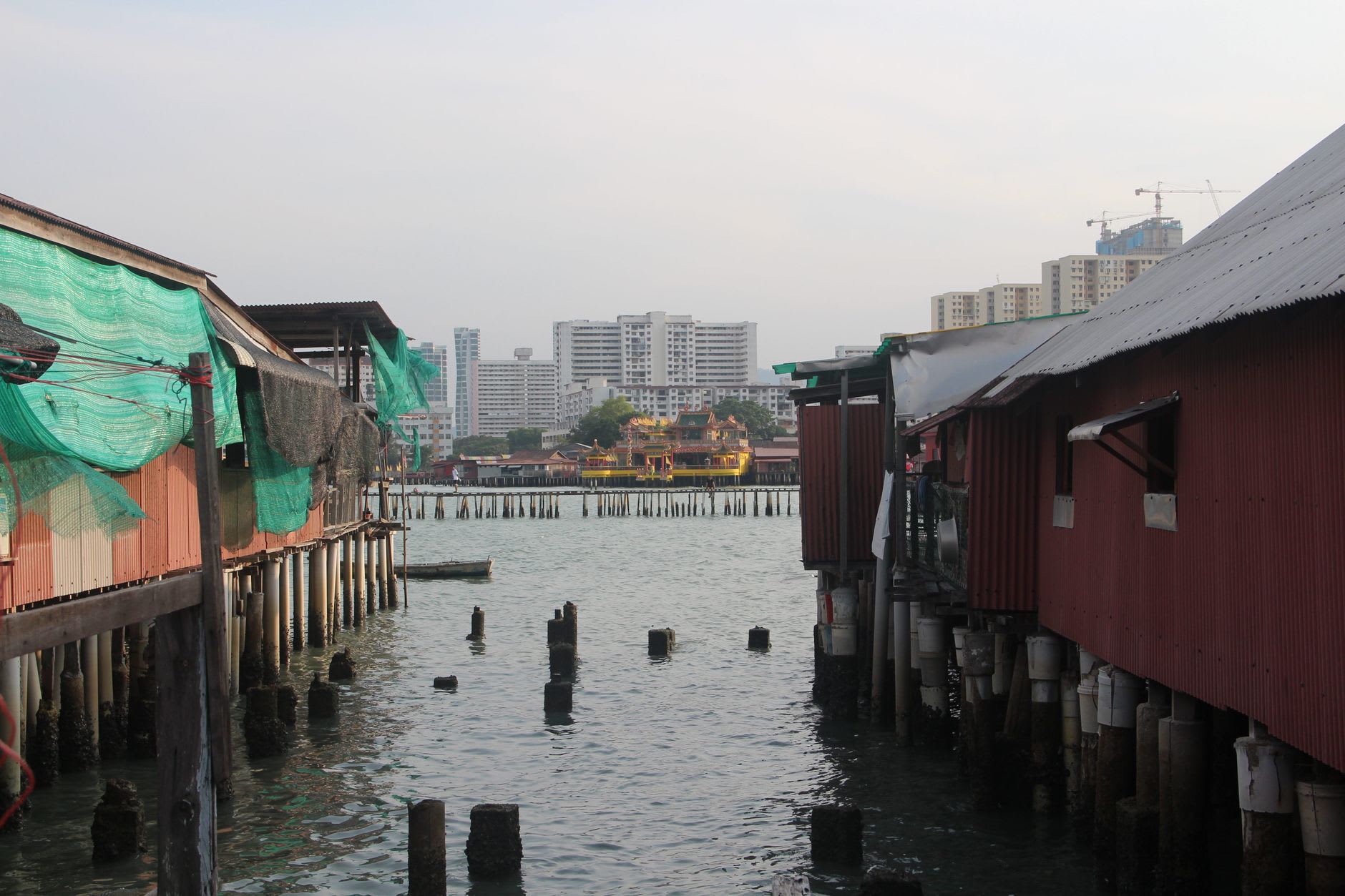
What makes Kampong Ayer genuinely moving, beyond the spectacle, is its ordinariness. This is not a preserved village or a living museum. People go to work from here, children do homework here, the elderly sit in plastic chairs on small platforms watching the river in the late afternoon exactly as their grandparents did. The Kampong Ayer Cultural and Tourism Gallery at the edge of the settlement has photographs going back a century, and the essential structure of daily life visible in those images — water taxis, communal docks, houses on stilts — is still recognizable today. It is a community that has adapted technology (there are satellite dishes and wifi) without dismantling the framework of the life it enables.

I stayed until after dark, when the lights came on inside the houses and reflected in long, wobbling lines across the water below. A mosque began the evening call to prayer and the sound moved through the settlement like a wave, answered a few seconds later by another mosque further along the river. Standing on a jetty with that sound surrounding me and the lights of the city visible on the far bank, I felt something that travel rarely delivers so cleanly: the sensation of witnessing a way of life that is neither nostalgic nor threatened, but simply continuing, on its own terms, on its own water.
When to go: Kampong Ayer is best visited in the early morning or late afternoon when the light is warm and the community is most active. Come by water taxi from the main waterfront — they run all day and cost almost nothing. Avoid midday heat; the exposed boardwalks offer no shade.