I stepped out of the taxi on Jalan Sultan and stood still for a moment, trying to identify what was wrong. The answer came slowly: nothing was happening. No horns, no touts, no music leaking from shop fronts, no one trying to redirect my attention toward their cousin’s restaurant. Bandar Seri Begawan — BSB to everyone who lives here — is the capital of a country that has simply never been overrun, and it shows in the atmosphere in ways that are hard to articulate but immediately felt. There is a quality of ease on these streets that other Southeast Asian capitals spend entire government budgets trying to manufacture.
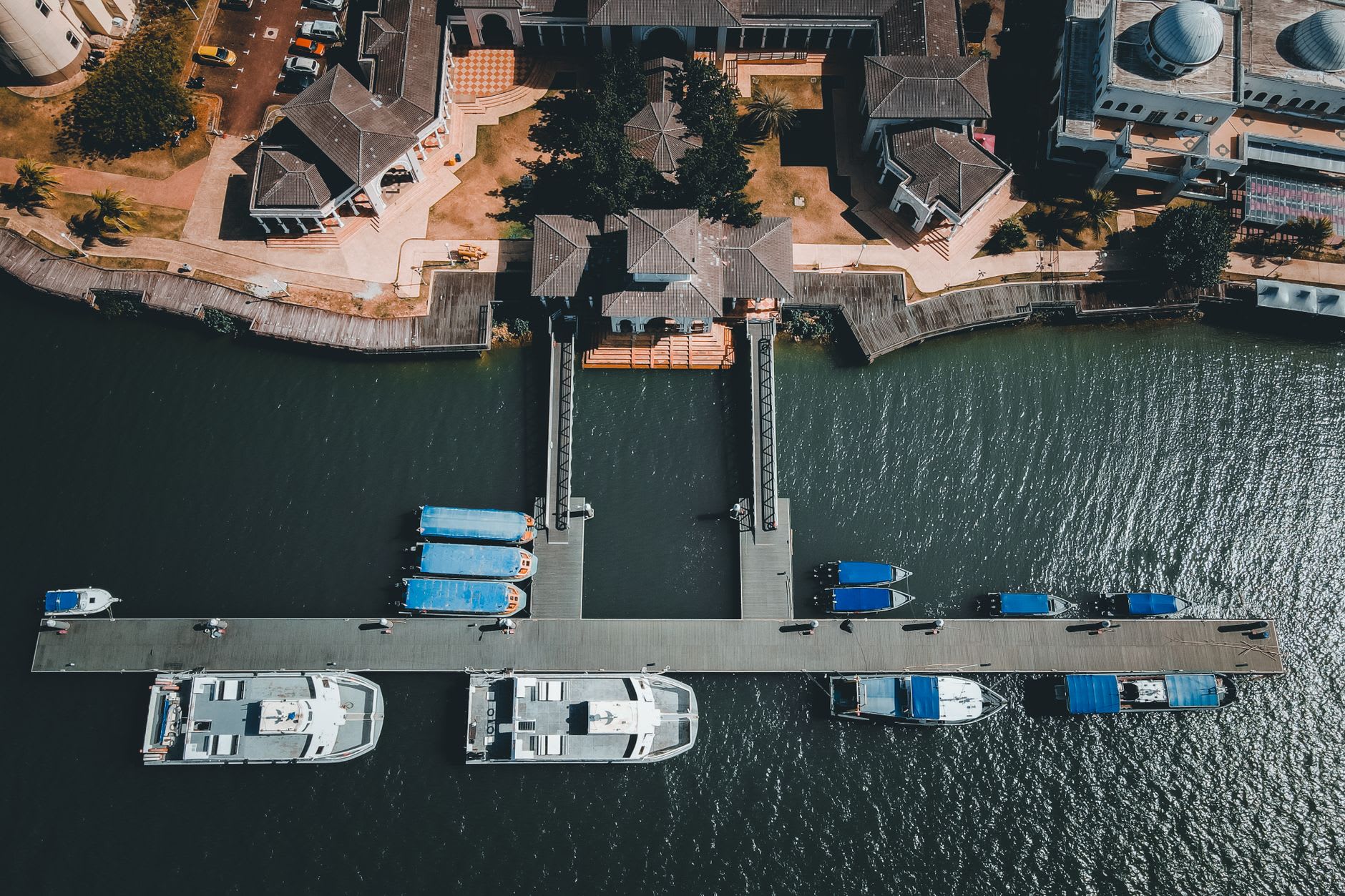
The morning begins at the waterfront markets near the river, where stalls open before six and the nasi katok — Brunei’s beloved dish of rice, fried chicken, and sambal, wrapped in brown paper — sells for less than a dollar and tastes like it has been refined over decades, because it has. I ate mine standing up, watching the water taxis peel across the river toward Kampong Ayer, their wakes spreading in long V-shapes across the brown water. The light at that hour comes in low and golden, catching the spray.
The old Chinese quarter along Jalan Pemancha has a different texture — shophouses with peeling paint, provision shops where sacks of dried goods spill onto the five-foot way, a barbershop where a man in his seventies still cuts hair with a straight razor. Chinese-Bruneian families have been here for generations, running businesses alongside Malay neighbors with a neighborliness that is visibly real. The coffee shops in this district serve kopi peng in tall glasses with condensed milk and there is always someone reading a Mandarin newspaper in the corner.

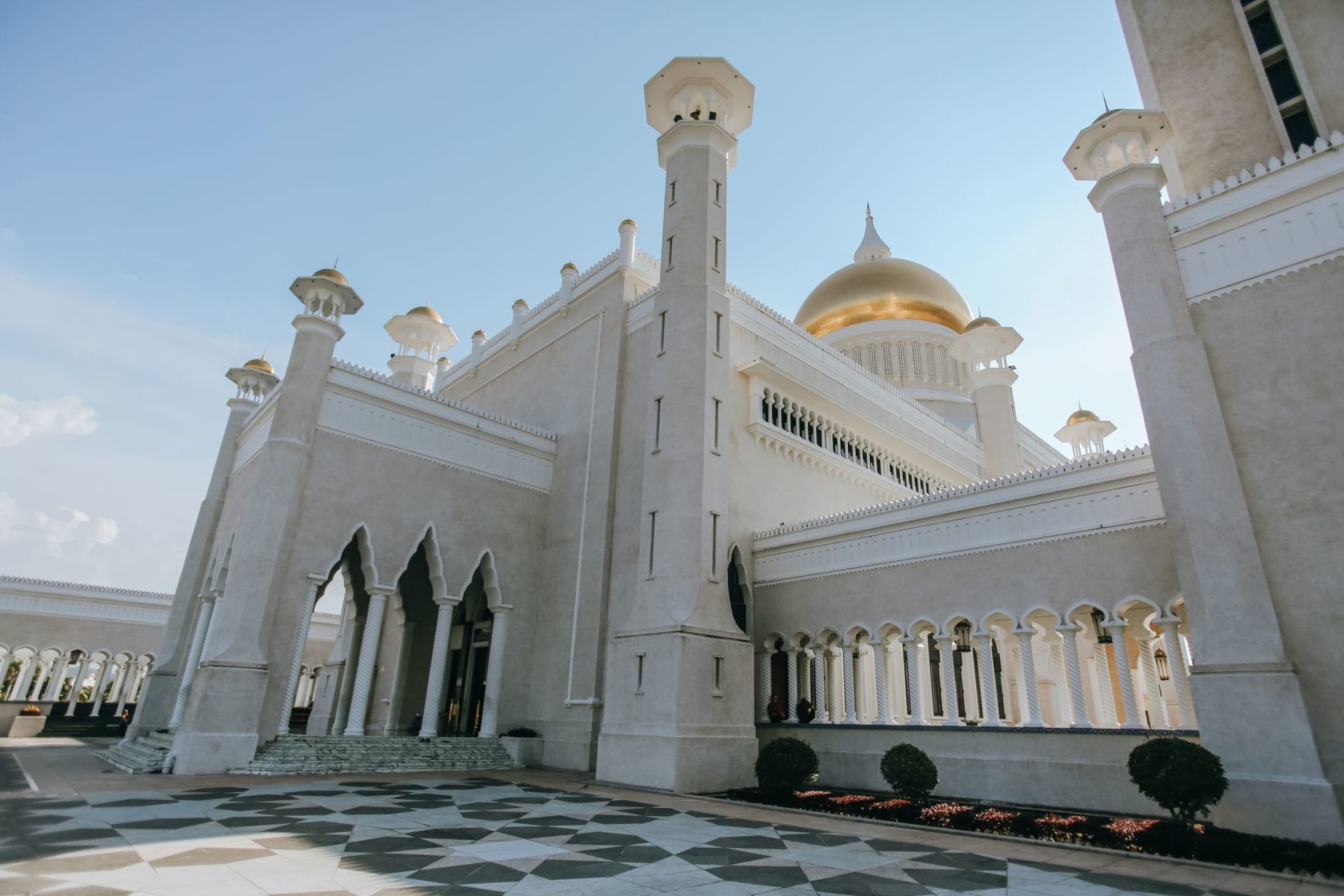
By afternoon, the city quiets further. Government offices empty, the streets drain of foot traffic, and the only sound in the downtown area is the call to prayer drifting from the Omar Ali Saifuddien Mosque a few blocks away. This rhythm — active at dawn, quieter by noon, briefly alive again at dusk — defines life in BSB. It is not a city that performs itself for visitors. It simply continues as it has, at its own considered pace, and asks you to adjust rather than the other way around. I found, after two days, that I had adjusted completely and did not want to leave.
When to go: BSB is pleasant year-round, but March through October brings drier weather and cleaner light for photographing the mosque and waterfront. During Ramadan, the city transforms at dusk when the Sultan Haji Omar Ali Saifuddien waterfront fills with night market stalls — one of the most atmospheric evenings I have spent anywhere in Borneo.